
Reviewed · DEAD SEA TRIPS
2-Day Best of Israel Tour: Old Jerusalem, Bethlehem, Masada and the Dead Sea
A 2-day sweep through Jerusalem, Bethlehem, Masada, and the Dead Sea is interesting because you get to bounce between two very different kinds of awe: holy sites you visit on foot, and a desert horizon you experience from high up at Masada. I like the way this itinerary uses both short, guided stops and longer walks so you can actually see how the Old City is stitched together. Highlights like the Western Wall and the Church of the Holy Sepulchre make the day feel real, not just scenic.
Two things I especially like: you get a guided, step-by-step look at Old Jerusalem plus a full outing to Bethlehem, and you end with the practical joy of the Dead Sea mud bath and floating. The one thing to consider is pacing and group size, because the Old City can feel rushed when you have a full bus, and some parts depend on time in lines and crowds.
Quick hits you should know
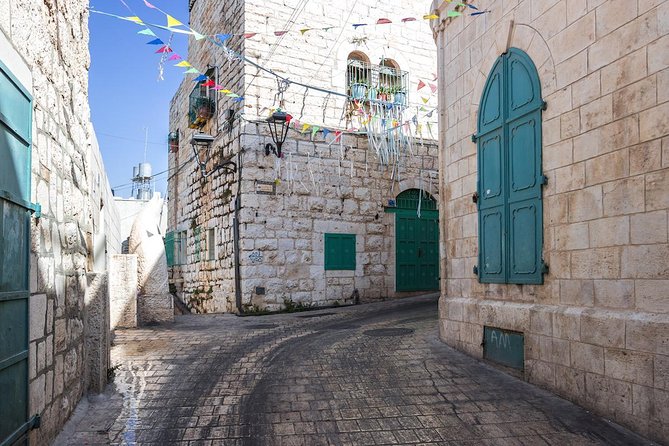
- Old City walking time is real: plan for steady walking through tight streets, not just quick photo stops.
- Dead Sea time is the payoff: a 2-hour block lets you actually float and do the mud bath properly.
- Masada access includes a cable-car ride: the ride saves energy and puts you in view of the Dead Sea region.
- Bethlehem needs your passport: a current valid passport is required for the Bethlehem portion.
- Expect some shopping time: there can be stops in shops that eat into sightseeing minutes.
- Hotel quality can vary: the overnight is included, but not everyone rates it the same.
Old Jerusalem and Bethlehem: walking where the story hits your feet
This tour starts early, around 8:30 am, and that matters. Jerusalem is busiest earlier in the day, and it also helps you beat some of the biggest crowd crush inside the Old City. You’ll move through neighborhoods that feel layered, where Muslim, Christian, and Jewish holy sites sit close enough that you can hear different languages within a few steps.
What you get here is not just a list of famous landmarks. You get a guided route that helps you understand why the Old City is so compact and why people have argued over it for centuries. That context makes the iconic sights hit harder, especially when you pause at viewpoints first and then walk downhill into the dense streets.
One practical note: you’ll be on your feet for a reasonable amount of time across both days. If you don’t pack comfortable walking shoes, you’ll feel it by day 1, especially around the Church of the Holy Sepulchre area where lines and crowding are common.
More trips to Masada:
- From Jerusalem: Masada & Dead Sea Full Day Tour with Pick Up
★ 4.5 · 815 reviews - Masada and the Dead Sea Day Trip from Jerusalem
★ 4.5 · 757 reviews - From Jerusalem: Masada&Dead Sea Tour INCLUDING ENTRANCE FEES
★ 4.3 · 392 reviews
Mount Scopus views, Gethsemane, and the Church of All Nations area
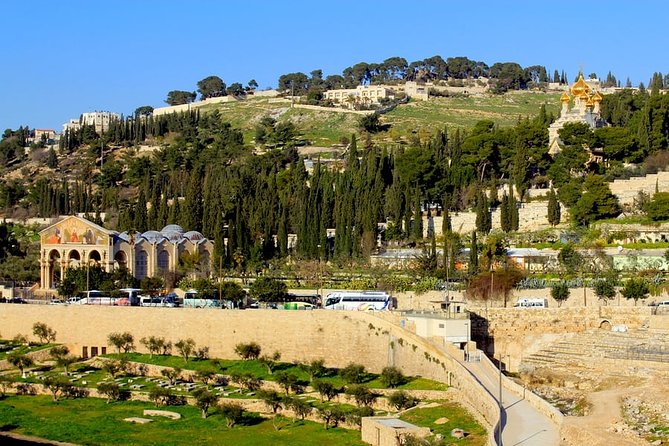
Day 1 begins with a stop at Mount Scopus National Botanical Garden. From here, you get a view over the Old City, which is a smart warm-up because it helps you picture where you’re headed before you step into the labyrinth of alleys.
Then the route moves toward the Mount of Olives side, with time to see the Garden of Gethsemane and the Church of All Nations. Even if you’ve seen photos, standing in the area gives you a different sense of scale and geography, since you can understand how the valleys and ridgelines shape movement and sightlines.
You’ll also pass through the Kidron Valley, which is one of those places where the landscape feels like it has a memory. The valley is part of why the route is so meaningful and why the viewpoints on this side are so dramatic.
If you want the best photos, bring your patience. The crowds can be heavy around the most famous stops, and you may need to take pictures between guided moments rather than during your own free roam.
Old City streets, the Jewish Quarter, and the Western Wall moment
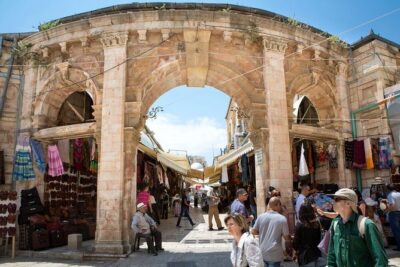
Next you’ll walk through the Old City streets, then head into the Jewish Quarter and the Byzantine Cardo. The Cardo is one of the key historic streets of the Old City, and walking that section with a guide helps you clock the layout fast instead of getting turned around.
The Western Wall stop is short, but it’s usually the kind of stop that sticks with people. You can see why it’s a central place of prayer, and you’ll likely feel the calm and focus that builds around it, even when the surrounding streets are lively.
Two things help the experience here. First, you’re not just staring at walls, you’re also moving with the route so you understand the neighborhood rhythm. Second, the guide’s explanations can turn what looks like a busy intersection into a meaningful sequence of locations.
The drawback: in the Old City, time can disappear quickly. Crowd flow, security lines, and everyone trying to take the same angle for photos can shrink your “free time” feeling. If you’re sensitive to that, go in expecting a guided highlight walk more than a slow museum tour.
Via Dolorosa and the Church of the Holy Sepulchre: expect lines and close quarters
From the Christian Quarter, the tour includes the Way of the Cross, the Via Dolorosa, with time at a handful of stations. This part is a mix of street-level reality and spiritual symbolism, and it’s one of the more atmospheric segments because you’re moving through narrow lanes with the whole neighborhood around you.
Then you reach the Church of the Holy Sepulchre area, where the line and crowd factor can be significant. This is one of the sites where “guided time” and “time actually inside” can feel different, since waiting is real. Plan mentally for close quarters and for the possibility that you’ll spend more time moving through crowds than you would at other sights.
The upside is that the building’s layout is hard to fully capture in photos. When you’re guided through what you’re seeing, it helps you orient yourself, understand why certain areas are tied to different traditions, and not feel lost in a maze of side chapels.
Dress code matters here. Shoulders and knees need coverage, and your guide may remind you before you enter worship spaces. Wear something you can sit or stand in comfortably for a while.
More Bethlehem tours from Jerusalem:
- Jerusalem and Bethlehem Day Tour from Jerusalem
★ 4.5 · 258 reviews - Travel to Bethlehem Half Day Guided Tour from Jerusalem & TelAviv
★ 5.0 · 239 reviews - Ashdod Shore Excursion: Jerusalem and Bethlehem – for cruise ship guests only
★ 4.5 · 149 reviews - Travel From Jerusalem To Bethlehem and Dead Sea – Daily Group West Bank Tour
★ 5.0 · 129 reviews
Bethlehem: Church of the Nativity and the passport must-have
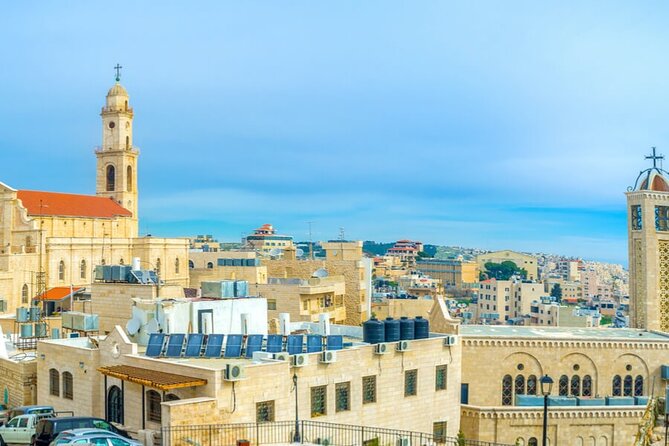
Bethlehem is a major shift from the Jerusalem street scene. You’ll have time to visit, with a guided stop at the Church of the Nativity. This is the heart of what most people came for in Bethlehem, and it can feel intense because the church is both historic and crowded.
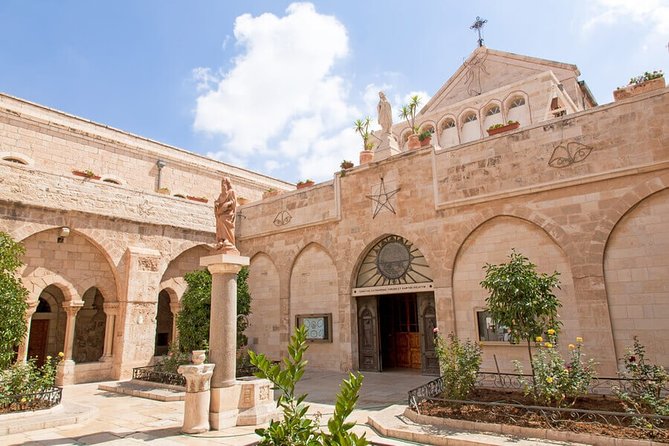
If you’ve ever tried to explore a famous church while everyone else is exploring the same church, you’ll understand the vibe. You might spend time standing in line, and that can cut into the pace of your internal touring. Still, walking into the Nativity Church area with a guide is usually worth it because the explanations help you focus on the right features and not just stare at stone.
One non-negotiable: you need a current valid passport for the Bethlehem visit. Don’t assume it’s optional, and don’t leave it in a hotel safe if you can avoid that. Keep it accessible so you can handle any checks without stress.
You might also find that extra Bethlehem stops are not always included as promised, depending on time and crowd conditions. In that case, the Nativity Church visit becomes the main event, with less time for other nearby sites or optional church stops like the Church of St. Catherine of Alexandria.
Masada by cable car: the view and Herod’s palace ruins
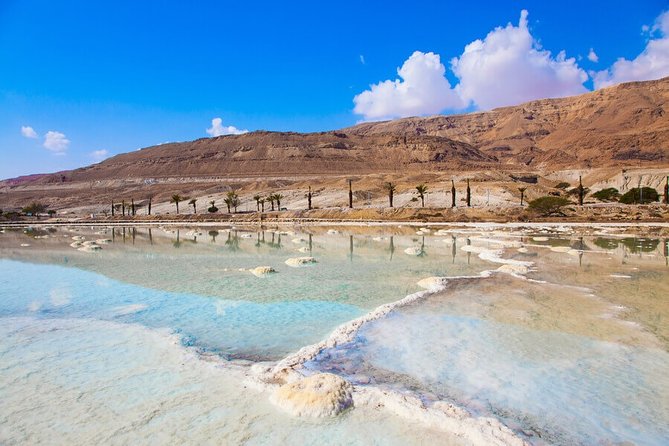
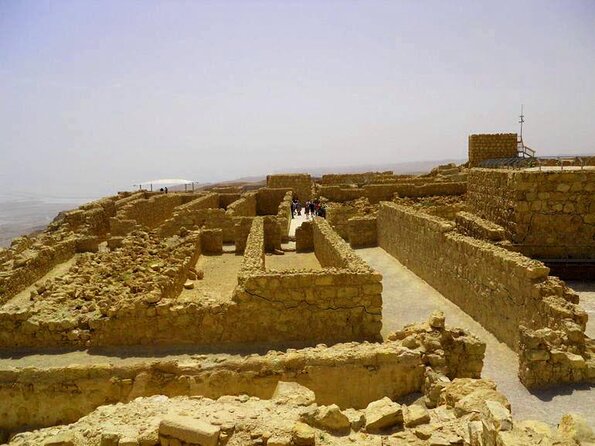
Day 2 brings a complete change of scenery. You head toward Masada with a cable-car ride, which is a smart way to keep this day enjoyable instead of exhausting. From up top, Masada’s setting hits you fast, because the site is about far-reaching views, not just ruins.
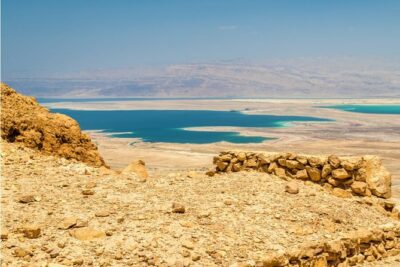
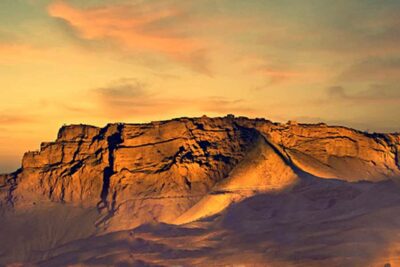
Masada National Park is where you’ll spend about 1.5 hours exploring. The best part is the panorama. You’re looking over stark desert shapes and the broader region toward the Dead Sea, and it helps you understand why King Herod wanted a fortress here.
The tour also includes time at Herod’s Palace, sometimes referred to as Herodium in conversation. Even though you’re seeing remains, the palace segment helps you connect Masada to the larger Herodian story, rather than treating it as an isolated climb.
Two practical tips make this day easier. First, bring sun protection, since Masada can be brutal even when Jerusalem feels mild. Second, pace yourself, because walking on uneven ground at a high site can be more tiring than you’d expect.
If you land with a standout guide, this segment can really sing. I’ve seen guides like Shmil praised for making Masada make sense, and that kind of explanation matters because you’re looking at stones that can feel vague without context.
Qumran and the Dead Sea: mud, float, and realistic timing
After Masada, the route includes a look at the Qumran area tied to the Dead Sea Scrolls. This stop is valuable because it gives you a bridge between the desert setting and the written history that came out of it. Even with limited time, it helps you see the geography as more than a backdrop.
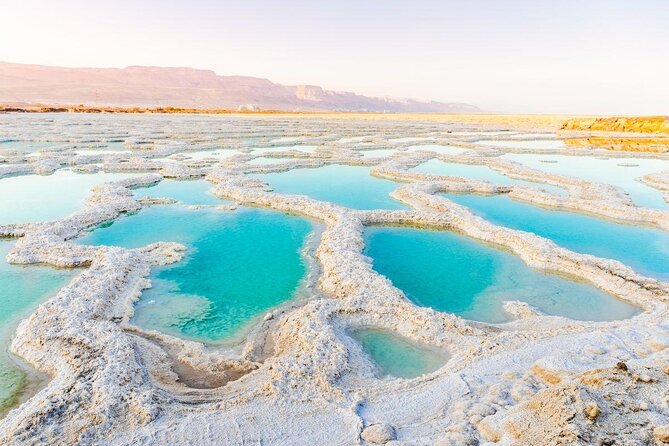
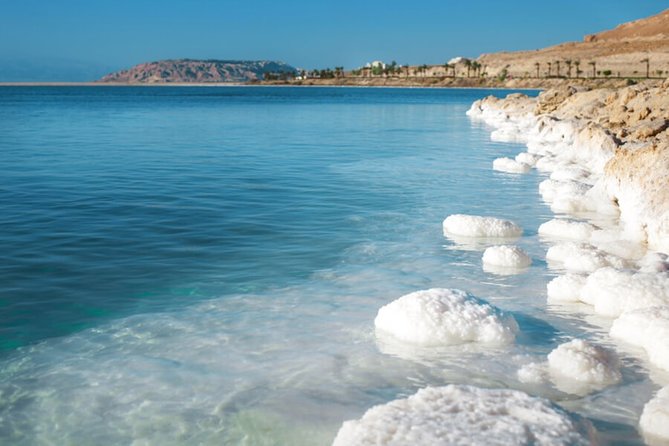
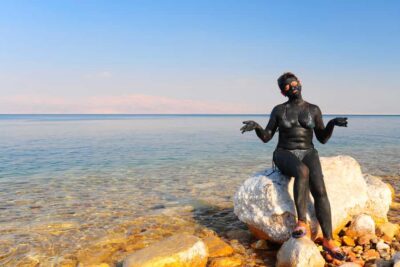
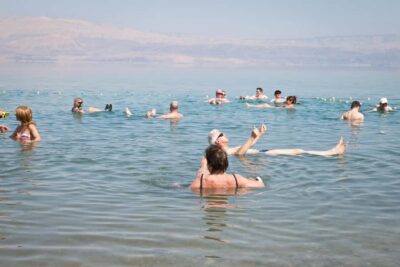
Then comes the best physical experience on the tour: the Dead Sea. You get a 2-hour block that includes floating and a mud bath, and that time is important. If you rush this, you miss the full effect, since you’ll want time to coat yourself with mud, rinse, and then repeat the fun part, floating.
This is where you should follow the practical instructions from the start. Bring a bathing suit, towels, and strong sun protection, plus a hat if you run hot. The Dead Sea experience is supposed to be easy and relaxing, but it’s also not the time to improvise with dry clothes or no cover.
One more reality check: the floating sensation can be surprising, and the air can feel intense. Take it slow when you first get in. You’re not trying to win a race, you’re trying to enjoy a weird, memorable natural phenomenon.
Price and logistics: does $360 make sense for what you get?
At $360 per person for two days, the value is strongest when you use what’s included. You get breakfast, hotel pickup and drop-off, a professional guide, an air-conditioned vehicle, overnight accommodation, and your Dead Sea mud and float time. You’re also not spending extra money on the big transportation legs between Jerusalem and the desert sites.
Where the price can feel less perfect is food and the parts of the schedule that can slow down. Food and drinks are not included unless specified, so you should plan to budget meals. Also, time in crowded holy sites and possible shopping stops can compress the feeling of sightseeing depth.
Group size is capped at 40, and that can matter. On some departures, a group around the high end can make stops feel rushed, especially in Old City spaces where everyone needs the same narrow viewing spot. If you prefer a more relaxed pace, you might want to compare other options with smaller groups, or at least go in knowing this is a highlight tour.
Hotel quality is another variable to keep in mind. The overnight is included, but some people have felt the accommodation fell short. If sleep quality is a top priority, consider asking what kind of hotel you’ll be in for your specific date before you commit.
Who should book, and who should pass?
This tour is a good fit if you want a guided highlight route with real religious landmarks, plus a physical nature break at Masada and the Dead Sea. It works well for first-timers who want orientation, since the Mount Scopus viewpoint plus the Old City walking sequence helps you understand where everything sits.
I’d especially recommend it if you like learning from guides and you’re okay with a schedule that prioritizes seeing many stops in limited time. Guides matter a lot here, and some departures have had praise for leaders like Amir Call Or in Jerusalem and experienced leadership on day 2.
You might want to pass or pick a slower alternative if you dislike crowded indoor churches, hate any shopping time, or expect lots of quiet exploration. If you want long independent wandering, this route probably feels too structured.
Also, this tour is not suitable for children under age 4, and you’ll be walking enough that comfortable shoes are not optional.
Should you book Bein Harim’s 2-Day Best of Israel?
Book this tour if your goal is a well-guided snapshot of Jerusalem and Bethlehem, followed by a big visual and physical win at Masada and the Dead Sea. The combination of Old City landmarks, a Jerusalem-to-desert day 2, and the included mud-and-float time makes the $360 price feel more reasonable than trying to assemble everything yourself.
Skip it if you want a slow travel pace, lots of free time inside major sites, or the highest certainty that every possible Bethlehem add-on will happen exactly as you expect. In the Old City, crowds and lines can change the feel of the day, and in a full group, that compression is noticeable.
If you do book, do two things to protect your experience: bring the right clothing coverage for worship spaces, and show up mentally ready for walking and crowd flow.
FAQ
What is the tour duration?
The tour runs for about 2 days.
What is the starting time?
The tour starts at 8:30 am.
What is included in the price?
Included items are breakfast, hotel pickup and drop-off, a professional guide, an air-conditioned vehicle, overnight accommodation, and Dead Sea experience time with mud bath and floating.
What is not included?
Food and drinks are not included unless specified.
Do I need a passport for this tour?
Yes. A current valid passport is required for the Bethlehem visit.
What should I wear for the religious sites?
A moderate dress code is required. Avoid shorts. Knees and shoulders must be covered for both men and women.
Is there a group size limit?
Yes. The tour has a maximum of 40 travelers.
More Dead Sea Trips from Jerusalem
- Masada, Ein Gedi and The Dead Sea from Jerusalem
★ 4.0 · 267 reviews - From Jerusalem: Masada at Sunrise, Ein Gedi & Dead Sea Tour
★ 4.6 · 245 reviews - From Jerusalem: Dead Sea Chill Out Half-Day Trip
★ 4.7 · 165 reviews - Dead Sea, Masada and Ein Gedi Day Tour from Jerusalem
★ 4.5 · 126 reviews
Recently reviewed around Jerusalem
- Walking tour of the Old City of Jerusalem★ 4.3 · 4 reviews
- Private Tour: Old City of Jerusalem Christianity Tour★ 5.0 · 5 reviews
- Magical Walking Tour in Old City of Jerusalem★ 5.0 · 27 reviews
- Tour of Jerusalem & Dead sea private tour★ 5.0 · 4 reviews
- West Bank Tour from Jerusalem★ 4.5 · 184 reviews
- jerusalem classic tour★ 5.0 · 3 reviews
- Day Trip from Jerusalem to Sea of Galilee and Nazareth★ 5.0 · 11 reviews
- Tour of Masada-Dead Sea and Qumran from Jerusalem★ 3.5 · 11 reviews
Dead Sea Trips, compared.
Masada & Dead Sea Full Day Tour with Pick Up
Read our review →
Masada and the Dead Sea Day Trip from Tel Aviv
Read our review →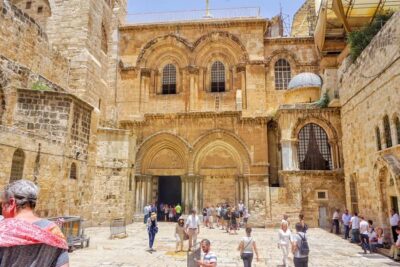
Masada and the Dead Sea Day Trip from Jerusalem
Read our review →
Browse the lists this tour appears in