

Reviewed · CAESAREA RUINS
From Jerusalem: Caesarea, Haifa, Acre & Rosh Hanikra Tour
This one-day coast trip is interesting because it strings together four major places in one smooth sweep, from Roman Caesarea to the Baha’i gardens in Haifa. I especially like how the Roman amphitheater is still in use for performances, and how Haifa’s terraced gardens step down Mount Carmel in 19 organized levels.
You also travel with a professional guide, and if you get someone like Omri, you’ll hear the kind of practical stories that make the stones feel connected to real life. I like that the day is structured, with hotel pickup and a coach doing the driving so you can focus on the sights instead of transport headaches.
The catch is time. You’ll spend plenty of the day on the road, and the on-site commentary can be fairly concise, so it helps to have comfortable shoes and realistic expectations for a full, packed route.
Key highlights at a glance
- Caesarea’s amphitheater plus the Hippodrome and Roman Temple remains, right by the ancient port area
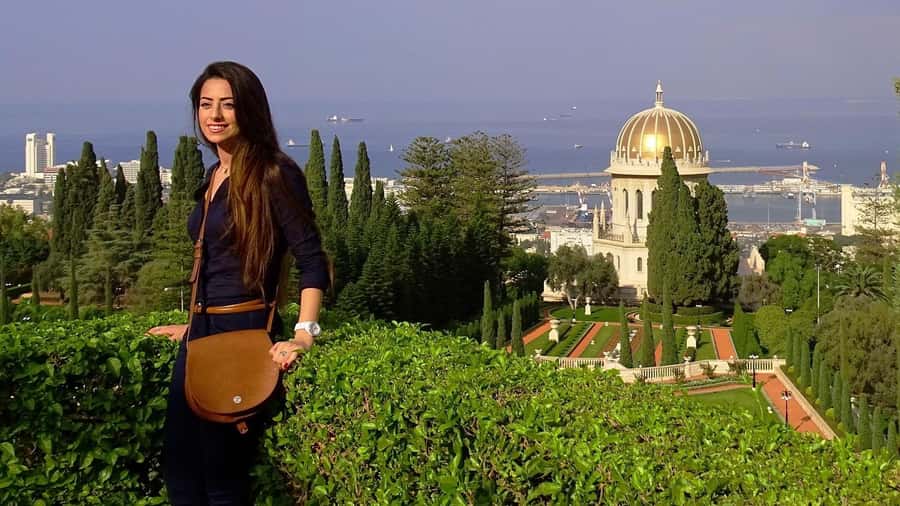
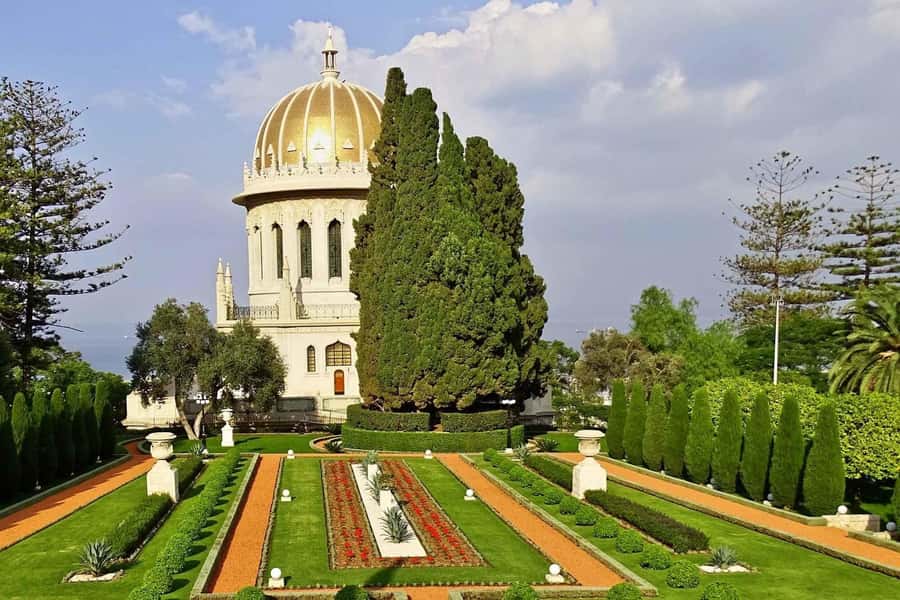
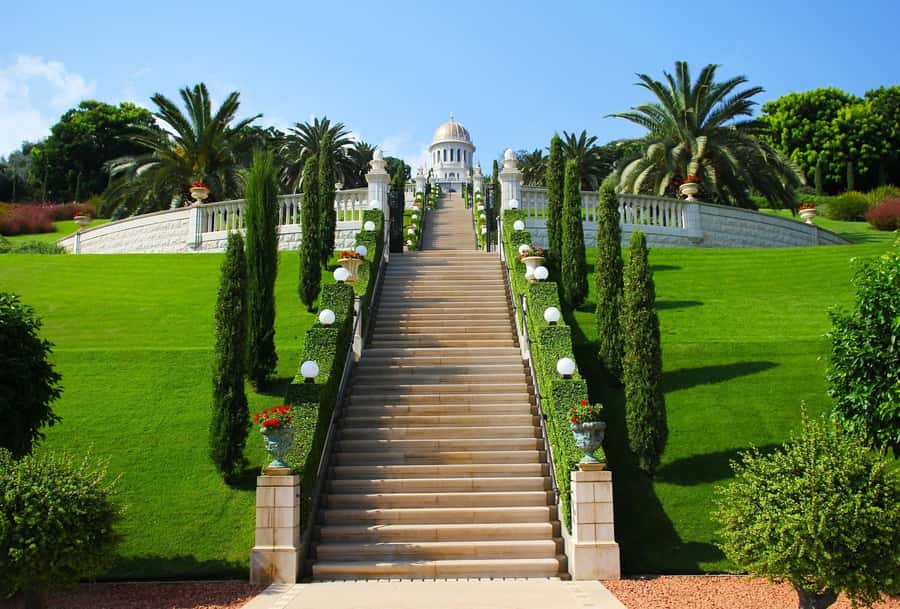
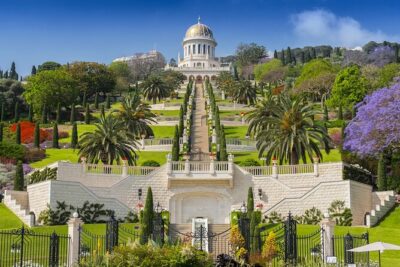
- Haifa’s 19 terraces of Baha’i Gardens and the Shrine on Mount Carmel
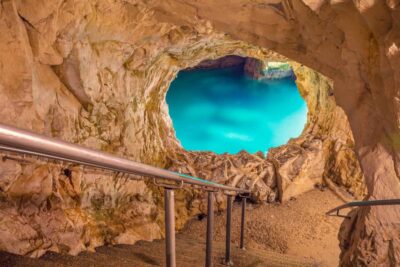
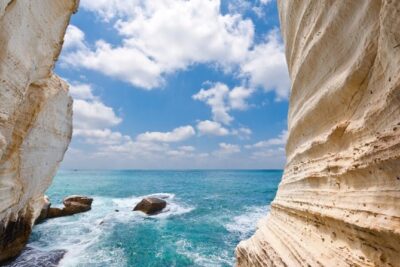
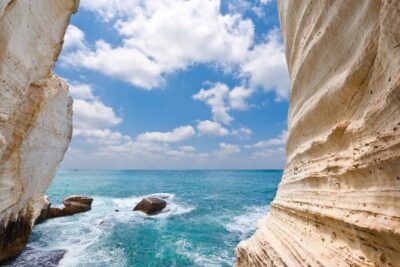
- Cable car to Rosh Hanikra sea caves, where waves sculpt limestone grottoes
- Acre (Akko) Old City with UNESCO sites, Crusader architecture, and living markets
- El Jazzar’s wall legacy and dramatic stories that stretch from Turkish and British-era sites
A very early start, then four coast hits in one day
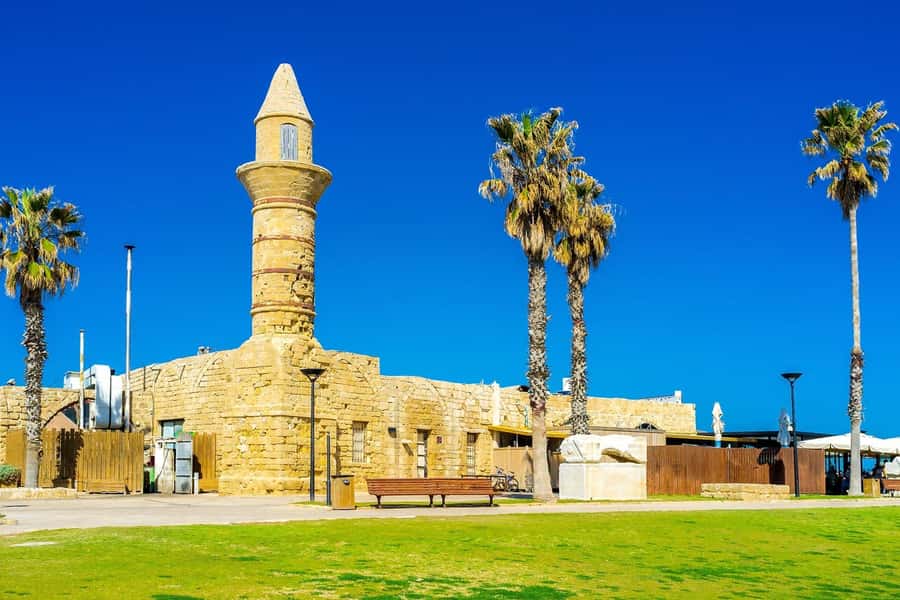
The tour begins with a hotel pickup in Jerusalem at 5:40 AM, so yes, this is an early start. The upside is simple: you get a full day of seeing major coastal sites without having to plan separate trips or sort out routes on your own.
Once you leave Jerusalem, the drive heads toward the Mediterranean. Along the way, you’ll pass Herzilya and Natanya, then continue north to the first big stop in Caesarea. This matters because the day is built around efficiency. You are not sightseeing in one place all day. You are moving, and you are meant to see the highlights at a steady pace.
The coach ride is air-conditioned, and the itinerary includes entrance fees, so your time stays focused on the sites. What you should plan for is the pace between stops. If you’re the type who likes to linger and read every plaque, you’ll need to balance that with the group flow.
More Rosh Hanikra trips:
- Caesarea, Acre & Rosh Hanikra Day Trip from Jerusalem
★ 4.0 · 78 reviews - Caesarea, Haifa, Rosh Hanikra, and Acre Tour from Jerusalem
★ 4.0 · 16 reviews - Caesarea, Haifa, Acre and Rosh Hanikra Tour from Jerusalem
★ 3.5 · 7 reviews
Caesarea’s Roman port layers, from Herod to the amphitheater
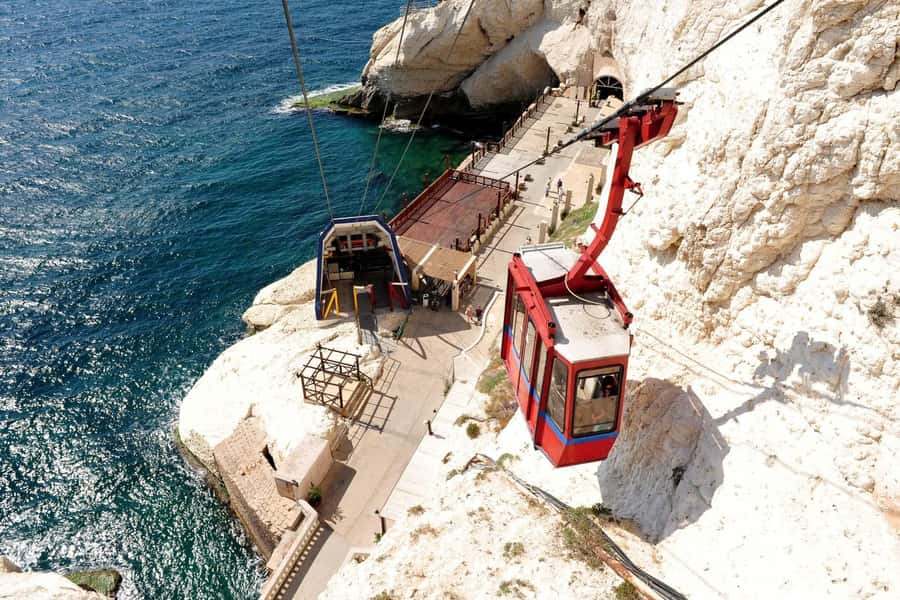
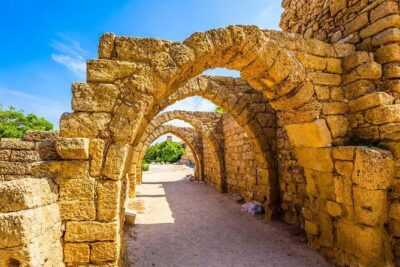
Caesarea is the kind of place where you feel the layers fast. This city traces back to a royal Roman-era build, connected to Herod, and it was named for Caesar. The setting also helps. You’re not just looking at a single monument, you’re walking through the remnants of a once-active port city.
Expect to see a mix of archaeological features like gateways, a moat, well-preserved walls, and room remains. That combination is useful for understanding the scale of the place, since you can picture movement, security, and daily infrastructure instead of only staring at one impressive structure.
Then comes the showpiece: the Roman amphitheater. What I like here is the practical, modern connection. It’s described as still used for performances by Israeli and international artists. That gives the ruins extra energy. You aren’t only viewing history behind glass. You’re seeing a space that still plays a role.
Near the amphitheater, you’ll also find the Hippodrome and remains of a Roman Temple. The guide framing is key because these buildings weren’t random. They sit above the port area, designed to overlook the commercial shipping that brought treasures from the east, plus Nabatean caravans traveling toward Rome. When you understand that the amphitheater and related structures faced the flow of trade, the city feels more like a working hub than a museum site.
There’s also a sharp historical turn explained during the stop. After the Crusade era, the city’s prosperity faded and it sank into oblivion. It’s a reminder that great cities can disappear fast, and that’s part of what makes Caesarea feel dramatic.
Good to know: you’ll want comfortable shoes because this is a walking day with real outdoor surfaces. Take a water break when you can, even though food and drinks are not included.
Haifa’s Baha’i Shrine and gardens, 19 terraces you can actually picture
After Caesarea, the route moves into Haifa, and the highlight is the Baha’i Shrine and Gardens on Mount Carmel. This stop is special for one reason: it’s landscaped in a way that helps you visualize design as structure, not just decoration.
You’re walking through the terraced system, and the big number here is 19 terraces. They cascade down the mountain toward the city below, with each level described as bursting with colorful flowers and landscaped designs. That detail is more than pretty. It tells you the gardens are meant to move you physically through the space.
What I love about this part of the tour is how it slows the pace compared with the ruins. Caesarea is heavy stone and ancient logistics. Haifa is step-by-step movement down a designed hillside, and you get those big visual moments where you can see multiple terraces at once.
You’ll also get the Shrine visit as part of the Haifa stop. Since it’s called out separately, the itinerary clearly treats it as the centerpiece, with the gardens as the flowing backdrop.
One caution: Mount Carmel and terraced gardens mean you will be working with slopes. Even if you are not rushing, expect some uphill and downhill walking. If your legs are sensitive, wear shoes that give you stable grip and comfort.
Rosh Hanikra’s cable car and sea caves shaped by waves
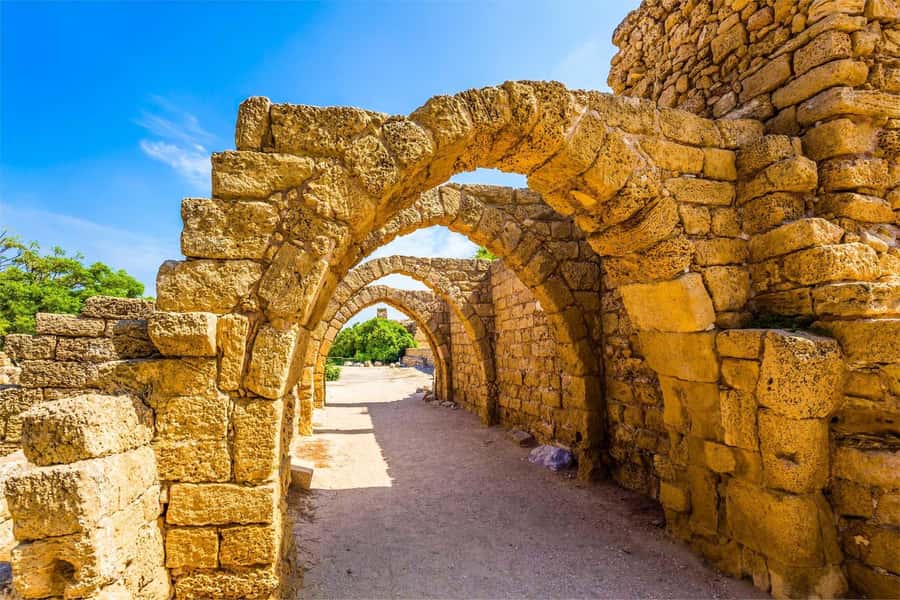
Next up is Rosh Hanikra, described as the most northerly point on Israel’s Mediterranean coast along this route. This is where the day shifts from city history to natural forces.
To reach the caves, you descend by cable car. That’s more than convenience. It gives you a quick perspective on how dramatic the coastline is before you go underground.
Inside, you explore a network of limestone grottoes created by the constant bombardment of waves against the rocks. The tour description focuses on the formation process, and it’s the right kind of context because it helps you understand why the caves look the way they do. This isn’t random hollow space. It’s coastal geology shaped over time by repeated action.
What to plan for: caves can mean cooler temperatures and uneven ground. The tour doesn’t list special gear, so your best move is practical. Wear comfortable shoes with decent traction, and expect that you might need to pause at viewpoints during the descent and exploration.
Rosh Hanikra is also a good emotional reset. After two stops rooted in human empires, you end up in a place where nature is the main author.
More Caesarea visits:
- Caesarea, Haifa & Akko Day Trip from Jerusalem
★ 4.3 · 96 reviews - From Tel Aviv: Caesarea, Haifa and Akko Day Trip
★ 4.4 · 744 reviews - Caesarea, Rosh Hanikra and Acre Day Trip from Tel Aviv
★ 4.5 · 406 reviews - Unforgettable Tour to Caesarea, Haifa, Acre and Rosh HaNikra from Tel Aviv
★ 4.0 · 56 reviews
Acre (Akko) Crusader Old City, where living markets share space with history
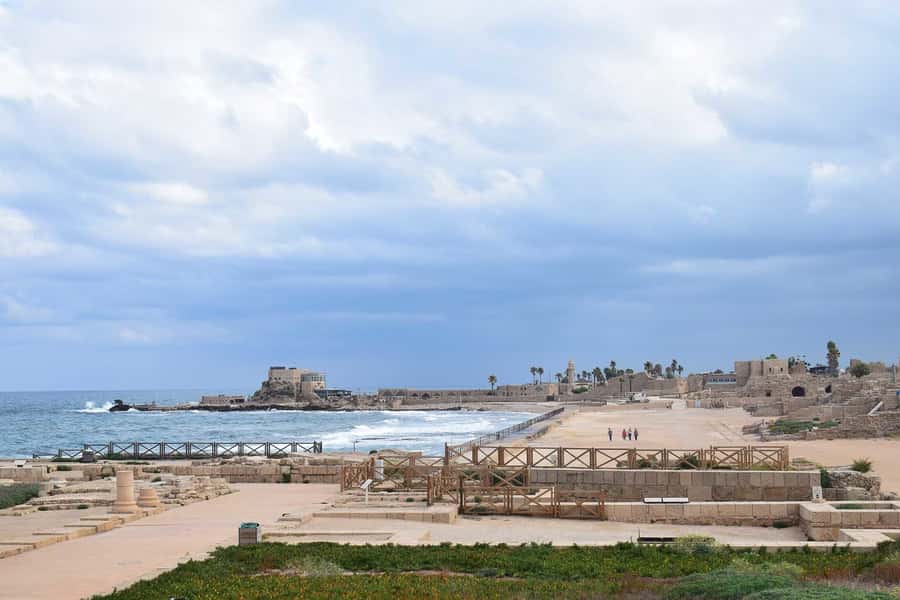
On the return journey, the tour stops at Acre (Akko). This is a longer-history place in a very visible way, and the tour description makes that clear by calling Acre the largest Crusader city in the country.
The first thing I appreciate about Acre is that it’s not presented as a dead site. You see an old city that is described as extremely well preserved, with architecture that survives in a way that makes it feel real rather than abstract.
Then you get the living element: part of the city is alive with markets and people still living in ancient buildings. That is huge for how the visit lands. You are not just walking corridors that once existed for someone else. You are walking corridors that still serve people today.
You’ll also see the defensive structures, including the walls and moat. The tour mentions these were reconstructed and repaired by El Jazzar at the end of the 1900s. The point of seeing the fortifications in person is to feel the scale and seriousness of the defenses, not just hear the name.
The guide also shares a dramatic line from the city’s reputation: the walls were said to have prevented even Napoleon from conquering the city. Even if you don’t treat that like trivia, it reinforces the idea that Acre’s fortifications mattered.
Then the itinerary moves into the Crusader-era remains and related sites from later rules. You’ll visit a prison used under Turkish rule and gallows used under the British Mandate for hanging Jews who broke British law limiting Jewish immigration to Palestine following World War II. That part of the day is heavy. It’s not vague or romantic. It’s specific, and it changes the mood.
In a one-day itinerary, Acre packs a lot, and it’s worth giving yourself a few minutes to absorb before rushing toward the next viewpoint. If you tend to rush, force yourself to take a breath in the walls-and-markets zone. The contrast is the point.
Why the professional guide matters more than you think
This tour is built around a professional, English-speaking guide, and that matters because these places could easily turn into a list of ruins. The guide framing turns them into connected stories, like how Caesarea’s amphitheater and Hippodrome sit above a port economy, or how Acre’s surviving walls and prisons connect to major shifts in rule and conflict.
In particular, I like how the stop descriptions include cause-and-effect details, not only names. For example, you learn about the port activity in Caesarea, then you get the decline after the Crusades. In Acre, you see defensive rebuilding, then you hear about later imprisonment and executions. That pattern helps you build a mental map fast.
That said, one review-style caution you should take seriously is that commentary can feel succinct between sites. With four major locations and significant driving, the guide has to manage time. So if you crave deep self-directed reading, consider this a highlight route, then plan a slower return somewhere you care most about.
Comfort, timing, and what you can realistically do in one day

A day trip like this works best if you plan for its structure. You start at 5:40 AM, ride a coach between sites, and you’re on the move across Caesarea, Haifa, Rosh Hanikra, and Acre.
Here’s what that means for your body and your schedule:
- You’ll do walking at each site, including slopes at Haifa and uneven surfaces in cave areas like Rosh Hanikra
- You’ll be out in daylight and outdoors for long stretches, even if the coach offers breaks
- You should assume the day will feel full, not relaxed
Also, food and drinks are not included. That doesn’t ruin the day, but it does mean you should plan what you’ll do for snacks or lunch on your own. Keep some cash or a card ready for that gap.
Because entrance fees are included, the value calculation is simpler. You’re paying for guided access plus transportation plus ticketed entry. That tends to be a good deal compared to piecing together separate tickets and driving yourself, especially if you’re not comfortable navigating quickly.
One caution: you may hear that the price feels high. If that’s your worry, look at what you’re buying, not just what you pay. You are paying for early pickup, an air-conditioned coach, a guide, and all entrances across multiple sites.
Who this tour suits best
I think this tour is a strong match if you want a single day that covers major highlights without doing planning-heavy logistics.
You’ll likely enjoy it if you:
- want a guided route with entrance fees handled
- like the mix of Roman sites, religious gardens, coastal caves, and Crusader-era architecture
- prefer seeing several places in one go rather than taking a slow week
You might hesitate if:
- you want lots of quiet time at one site and hate moving every few hours
- you dislike early mornings, or you struggle with long days on your feet
It also helps to be someone who enjoys context, since the route is strongest when the guide explains why the sites matter.
Quick practical tips before you go
- Wear comfortable shoes. You’ll thank yourself at Haifa and in the caves.
- Plan to grab food on your own since food and drinks are not included.
- Keep an eye on your schedule and pacing. This tour is built for efficiency.
- If you have a diplomatic or foreign passport and a 3-month entry permit, you may be exempt from VAT per Israeli law, but you’ll need to provide valid passport details.
Should you book this one-day Caesarea, Haifa, Acre, and Rosh Hanikra tour?
I’d book it if you want a well-managed highlights day that hits the big names along the coast, with a guide to tie the story together. The combination is a rare one: Roman amphitheater life, Haifa’s terraced gardens, cable-car caves, and Acre’s living Crusader city all in a single day.
Skip it if you’re mainly after slow travel, deep reading at one site, or zero time on a coach. This tour is not about lingering all afternoon in one place. It’s about getting a lot of meaningful stops without the hassle.
If that sounds like your style, this is a solid way to see more of northern Israel’s coast in one shot, and it keeps the focus where it should be, on what’s in front of you.
More Acre (Akko) Tours
- Walking Tour of Akko (Half-day)
★ 5.0 · 84 reviews - Tel Aviv/Jerusalem: Caesarea, Haifa & Akko Day Tour
★ 4.5 · 53 reviews - Caesarea, Haifa And Akko Tour
★ 4.0 · 36 reviews - Highlights of Caesarea, Haifa, Acre and Rosh Hanikra Tour from Tel Aviv
★ 4.0 · 10 reviews
Recently reviewed around Jerusalem
- Walking tour of the Old City of Jerusalem★ 4.3 · 4 reviews
- Private Tour: Old City of Jerusalem Christianity Tour★ 5.0 · 5 reviews
- Magical Walking Tour in Old City of Jerusalem★ 5.0 · 27 reviews
- Tour of Jerusalem & Dead sea private tour★ 5.0 · 4 reviews
- West Bank Tour from Jerusalem★ 4.5 · 184 reviews
- jerusalem classic tour★ 5.0 · 3 reviews
- Private Silk Painting Workshop in Jerusalem – Create a scarf –★ 5.0 · 4 reviews
- Day Trip from Jerusalem to Sea of Galilee and Nazareth★ 5.0 · 11 reviews
Caesarea Ruins, compared.
Caesarea, Rosh Hanikra and Acre Day Trip from Tel Aviv
Read our review →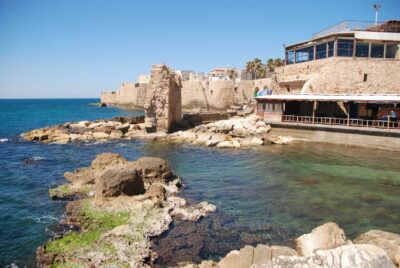
Caesarea, Acre & Rosh Hanikra Day Trip from Jerusalem
Read our review →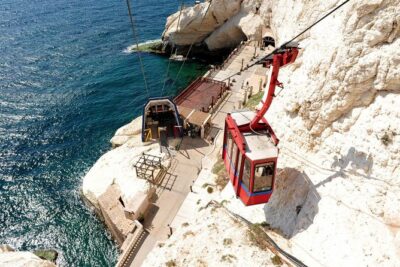
Unforgettable Tour to Caesarea, Haifa, Acre and Rosh HaNikra from Tel Aviv
Read our review →
Caesarea, Haifa, Rosh Hanikra, and Acre Tour from Jerusalem
Read our review →Browse the lists this tour appears in