
Masada, Ein Gedi, and the Dead Sea in one day is a clever combo because it hits three very different sides of southern Israel, from desert cliffs to a spring-fed oasis to that float-you-like-a-basketball salty water. I love the way the day balances big sights with actual walking, not just sitting on a bus. I also like that guides like Shimon or Hadar are often praised for clear storytelling and keeping the group together. The only real drawback to plan for is time pressure, especially at the Dead Sea where the free beach window can feel short if you want a slower soak.
The Masada segment is the kind of place where your brain turns on immediately, even before you start climbing. I like the added payoff of hiking through Ein Gedi and seeing details such as David Waterfall, the Arugot Stream trail, and the remains of an ancient flour mill. For many people, the top moment is the Dead Sea float plus the mud mask routine that leaves you feeling like you rolled around in science. Still, if you want a long beach hangout, this tour may feel a bit rushed.
One more consideration: Ein Gedi can be temporarily closed due to safety issues like a rockslide, and the tour swaps in Ein Bokek resort for that part of the day. That change is meant to keep things moving, but it does mean you will not get the full Ein Gedi hiking lineup on those days.
Key things you will notice on this tour
.jpg)
- Pickup and drop-off from your Jerusalem meeting point, so you do not need a rental car plan
- Masada views plus history tied to the clifftop palace setting
- Ein Gedi walking trails focused on real nature stops, including David Waterfall
- Ancient sites inside Ein Gedi, like the Chalcolithic Temple and flour mill remains
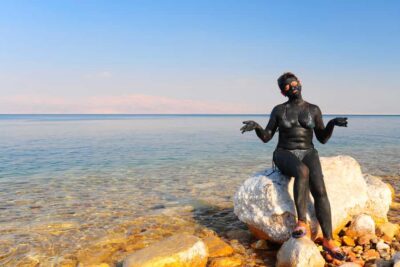
- Dead Sea private beach time for floating and a mud mask style reset
- A backup plan for closures, replacing Ein Gedi with Ein Bokek resort natural springs
From Jerusalem to the Judean Desert: getting there without stress
.jpg)
This is a full-day tour that starts early. If you are coming from Jerusalem, the meeting point is in front of David Citadel Hotel at 7:45 AM, and the tour ends back there. Expect the whole day to run around 10 hours from Jerusalem for most schedules, with a structure that tries to fit three major sites plus travel time.
The ride is in an air-conditioned vehicle, which matters because you are going from cooler city temperatures into a hot, dry region. A full bus also means timing depends on everyone staying together. In practice, that is why the guide matters. When the group is large, you will want a guide who keeps checkpoints clear, makes sure everyone hears the instructions, and gives you short breaks that actually feel usable.
Also, because food and drinks are not included, I recommend planning for snacks. The tour includes stops for bathroom breaks, and you will have opportunities to buy food, but you should not count on a sit-down meal being part of the deal. Bring your energy for the hiking portions, then save the appetite for whatever you can grab near a break.
Masada National Park: the clifftop hike and what the entrance covers
.jpg)
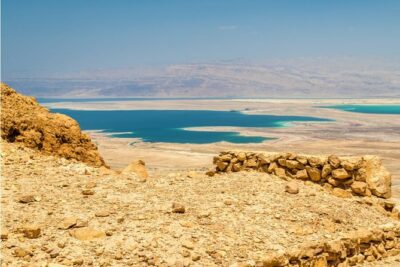
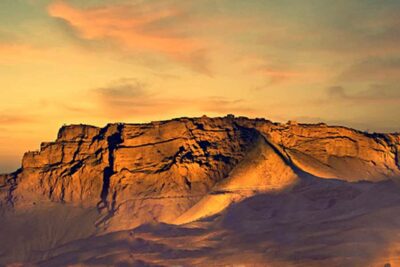
Masada is the big anchor of the day, and it is easy to see why. You are visiting an isolated clifftop plateau in the heart of the desert, overlooking the Dead Sea and the harsh Judean Desert beyond. Before you even get lost in the views, the story here is the reason people come. You will hear how a magnificent palace once stood on this site, and you will connect that history to the dramatic setting.
The key practical point is money. Masada entrance is not included. You should budget for 77 ILS, which includes the cable car option. If you love the idea of walking up and taking in the views step by step, you still need to pay the entrance fee. If you prefer to reduce stairs, the included cable car pricing is the detail that can make or break your day.
What I like about how Masada fits into a one-day tour is that you get a strong payoff quickly. The views are not something you need to chase for hours. Even short periods on the plateau can feel like a complete experience, especially if your guide points out what to look for before the crowds pick up.
A reality check: Masada can be busy. You might find the schedule feels tight because other groups are funneling through the same paths. If you are a slow photographer, plan for gaps, not long pauses.
Ein Gedi Nature Reserve: waterfall trails, streams, and ancient remains

After Masada, Ein Gedi is the palate cleanser. The nature reserve is built around spring-fed life, and the difference from the desert cliffs is immediate. You will follow walking trails tied to real features in the reserve, not just a quick viewpoint stop.
Here is what you can expect to cover in the Ein Gedi portion:
- David Waterfall, described as year-round, with access via a hiking trail
- Arugot Stream, another walking trail that runs along the stream and flows all year round
- En Gedi Spring, rising from the mountainside and sustaining abundant vegetation
- Remains of an ancient flour mill, near the spring area
- Dodim Cave, described as small and intimate at the head of David Waterfall
- A Chalcolithic Temple, which adds an archaeology layer to the walk
This combination is why Ein Gedi works for so many people. You get the classic desert-to-oasis change of scenery, but you also get a clear trail logic. When your guide connects the streams to the spring and then ties the spring to ancient use of the area, the place stops feeling like random nature stops and starts feeling like a whole system.
You will also appreciate the way the tour builds in movement. Comfortable shoes are essential, since you are doing more than strolling. And because this is a nature reserve, you should expect some uneven paths and the kind of walking that makes you glad you packed good footwear.
If Ein Gedi is closed: Ein Bokek as the replacement day stop
.jpg)
Sometimes Ein Gedi is not available for safety reasons. In this tour, the plan is to swap the closed area with Ein Bokek resort, which is known for rejuvenating natural springs. That is not just a generic replacement, it changes the vibe: instead of the structured Ein Gedi trail lineup, you get a resort setting focused on natural spring relaxation.
So how do you think about it? If your dream was specifically David Waterfall, Dodim Cave, and the Chalcolithic Temple walk, you may not get that full list on closure days. But you still keep the Dead Sea part of the tour, and you still get a meaningful nature-and-relax break in the southern region.
For peace of mind, treat this as a tour designed to adapt. You will not be left sitting in a vehicle for hours. The trade-off is that your exact hiking highlights may vary depending on what is open that day.
Dead Sea private beach time: floating, mud mask, and crowd reality
.jpg)
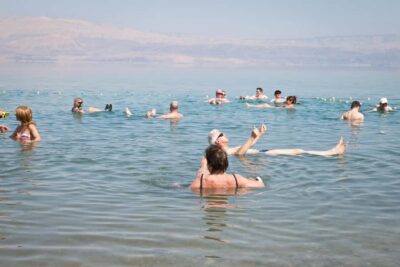
The finale is the Dead Sea, and it is always an odd experience in the best way. You will get free time to relax at a private beach. The tour’s Dead Sea beach entrance is not included, so you should budget 35 ILS for that access.
Some people go straight for the float. You will, too, once you feel how effortless it is. The float changes your body position and your breathing, and it is a fast reminder that this is not regular swimming. You may also want the mud routine. One traveler specifically mentioned how the mud mask left their skin feeling like brand new baby skin, which is the kind of fun side effect you do not get anywhere else.
Real talk: this part can be busy. Even with a private beach, you are still in a major Dead Sea hub. That is why I suggest you come ready to work fast. Bring your towel and swimwear from the start, and think about sequencing: float first, then mud, then rinse.
Also, do not plan your day around an ultra-long beach session. Free time exists, but multiple people noted it can feel rushed. If your heart is set on a long, slow Dead Sea day, you might want a slower itinerary than a multi-stop full-day tour.
Guide and pacing: how a big day stays friendly
.jpg)
A good day tour is mostly about pacing, not just destinations. When the bus is full, you need a guide who does two things well: explains the sites and protects the group rhythm. This tour tends to get high marks for that kind of teamwork.
You will see guide names come up often, including Mansour, Yan, Max, Hanoch, Moshe, and Hadar. Across those experiences, the pattern is the same. People like the guides because they make the history clearer, answer questions, and keep everyone safe.
Timing is also part of the deal. Some travelers loved how everything felt well timed, including bathroom and rest stops. Others wished there was more breathing room at each site, especially Masada reading time and more Dead Sea beach minutes. That is the trade you are buying when you choose a three-stop day from Jerusalem.
One more note: you might encounter a stop that feels like a shopping or cosmetics detour. A traveler called out wasted time at a cosmetics company near the Dead Sea. It is not guaranteed from the tour description alone, but it is the kind of thing you should keep in mind if you want pure sightseeing time. If a quick stop turns your stomach, just go in with realistic expectations.
What you will pay on top of $89, and why it can still be good value
.jpg)
The advertised price is $89 per person and includes pickup and drop-off, an air-conditioned vehicle, and a tour guide. That is the core value here. Without a tour, you would still need transport, gas, parking, and someone to guide your stops so you do not waste time figuring out what to see.
Then come the extra entrance fees you should budget for:
- Masada entrance (77 ILS), including the cable car
- Ein Gedi entrance (28 ILS)
- Dead Sea private beach entrance (35 ILS)
Food is not included, and drinks are not included either. Because of that, I treat this tour price as convenience plus guidance, and I treat entrance fees and snacks as your add-ons.
For value, the real question for you is this: do you want to see all three places in one day without driving yourself? If yes, this tour makes sense. If your priority is slow, deep time in one place, you may feel the squeeze.
Who should book this tour, and who might feel squeezed
.jpg)
I think this is a solid choice if you want a first-timer style day that covers major southern highlights: Masada, Ein Gedi, and the Dead Sea. It is also a good match if you like learning in small bursts. The guide-led history at Masada and the nature-plus-archaeology mix at Ein Gedi are the kind of combo that keeps attention from drifting.
You will also like it if you can handle a hike day with a couple of walking trails. Ein Gedi in particular demands comfortable shoes, and you should expect real foot movement, not just picture stops.
I would skip it, or at least think twice, if you need wheelchair-friendly routes. The tour is listed as not suitable for wheelchair users.
If you are traveling with someone who gets tired quickly, the time constraints at each stop may be hard. Some days include tight Dead Sea time, and people who prefer longer rests sometimes feel disappointed by the pace. For those travelers, a longer Dead Sea-focused plan might fit better.
Should you book? My quick decision guide
.jpg)
Book this tour if you want maximum southern Israel coverage with door-to-door pickup, a guide to connect history and nature, and a guaranteed Dead Sea finale with private beach time. The Masada views plus the Ein Gedi oasis walking plus the Dead Sea float is a rare three-part arc.
Skip or adjust expectations if Dead Sea time is your top priority. This day is built to see a lot, not to linger forever. Also, keep in mind that Ein Gedi can change to Ein Bokek on closure days, so your exact trail list may vary.
If you go in prepared with the right footwear and your swim stuff ready, you will likely walk away feeling like you saw the heart of the region, not just the parking lot versions.
FAQ
What is included in the Masada, Ein Gedi, and Dead Sea day tour?
The tour includes pickup and drop-off, an air-conditioned vehicle, and a tour guide.
Where and when does the tour start in Jerusalem?
The meeting is in front of David Citadel Hotel at 7:45 AM, and the tour ends back at the meeting point.
What entrance fees should I budget for?
Masada entrance is 77 ILS (including the cable car). Ein Gedi entrance is 28 ILS. Dead Sea private beach entrance is 35 ILS.
Is food and drinks included?
No. Food and drinks are not included.
What should I bring?
Bring comfortable shoes, swimwear, and a towel.
What language is the tour guide?
The tour is offered in English.
Is the tour wheelchair accessible?
No, it is listed as not suitable for wheelchair users.
What happens if Ein Gedi is closed?
If Ein Gedi is temporarily closed for safety reasons, the itinerary is revised to include Ein Bokek resort instead, known for natural springs.
How long is the tour from Jerusalem?
It is described as about 10 hours from Jerusalem.
More Trips to Masada
- From Tel Aviv: Masada & Dead Sea Full Day Tour with Pick Up
★ 4.5 · 1,496 reviews - Masada and the Dead Sea Day Trip from Tel Aviv
★ 4.5 · 1,014 reviews - From Jerusalem: Masada & Dead Sea Full Day Tour with Pick Up
★ 4.5 · 815 reviews - Masada and the Dead Sea Day Trip from Jerusalem
★ 4.5 · 757 reviews
More Ein Gedi Trips
- From Tel Aviv: Masada, Ein Gedi & Dead Sea Tour
★ 4.2 · 705 reviews - From Tel Aviv: Masada Sunrise, Ein Gedi, and Dead Sea Tour
★ 4.3 · 387 reviews - Masada, Ein Gedi, and The Dead Sea from Tel Aviv
★ 4.0 · 285 reviews - Masada, Ein Gedi and The Dead Sea from Jerusalem
★ 4.0 · 267 reviews
Dead Sea Trips, compared.
Masada & Dead Sea Full Day Tour with Pick Up
Read our review →
Masada and the Dead Sea Day Trip from Tel Aviv
Read our review →
Masada and the Dead Sea Day Trip from Jerusalem
Read our review →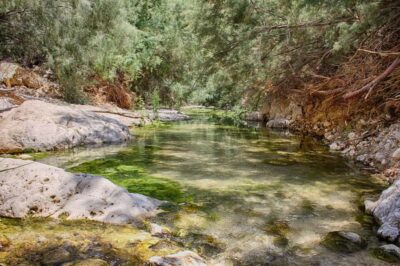
Browse the lists this tour appears in