
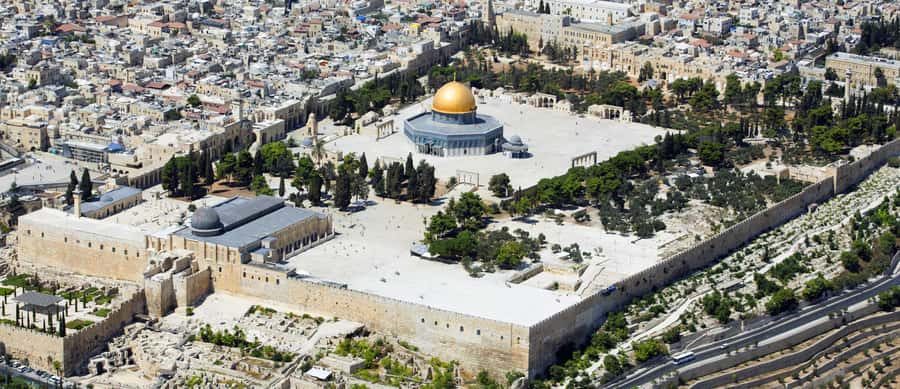
Reviewed · JERUSALEM TOURS
From Tel-Aviv: Day Tour to Origins of Christ in Jerusalem
What makes this tour so compelling is how it strings together major places connected to the life story of Jesus, from the Mount of Olives viewpoint down into the streets where the Via Dolorosa begins. You are moving through Jerusalem in a way that feels guided by the story, not just a checklist.
Two things I really like about it: the walk up to the Ascension area with sweeping views, and the chance to read the Lord’s Prayer in 123 languages at Pater Nostra. The pacing also gives you moments to slow down and take in what you are standing on, instead of rushing past everything.
One possible drawback: it is a long day. You get about three hours of walking, and it is not suitable for children under 4 or for wheelchair users.
Key highlights worth planning around
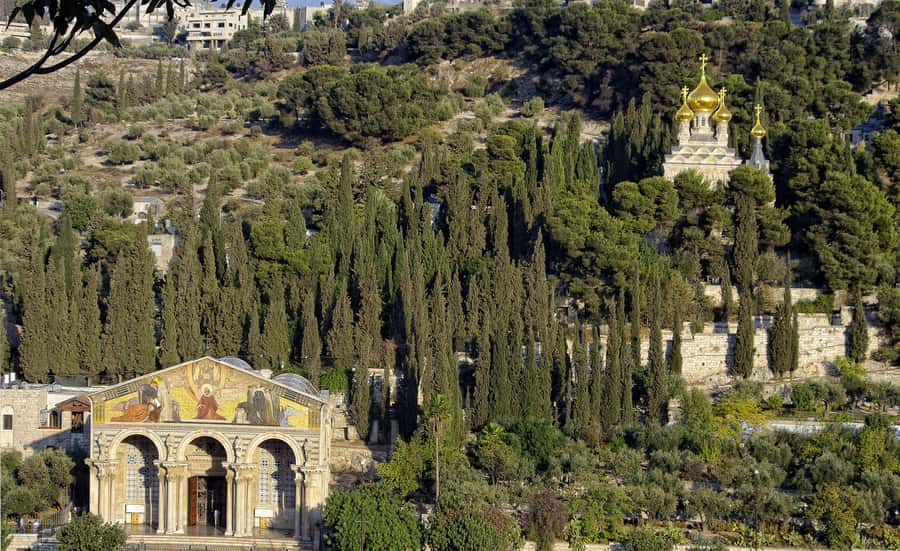
- Mount of Olives climb to the Ascension site with dramatic views over Jerusalem
- Pater Nostra and the Lord’s Prayer in 123 languages for a unique, hands-on moment
- Dominus Flevit, tied to Jesus foresseeing Jerusalem’s destruction
- Old City entry via Lion’s Gate and a smooth shift into the lanes of the historic core
- Ancient pavement games near Church of St. Anne and the Sisters of Zion Convent
- Following the Via Dolorosa route from its starting point
A full-day route that keeps the story straight
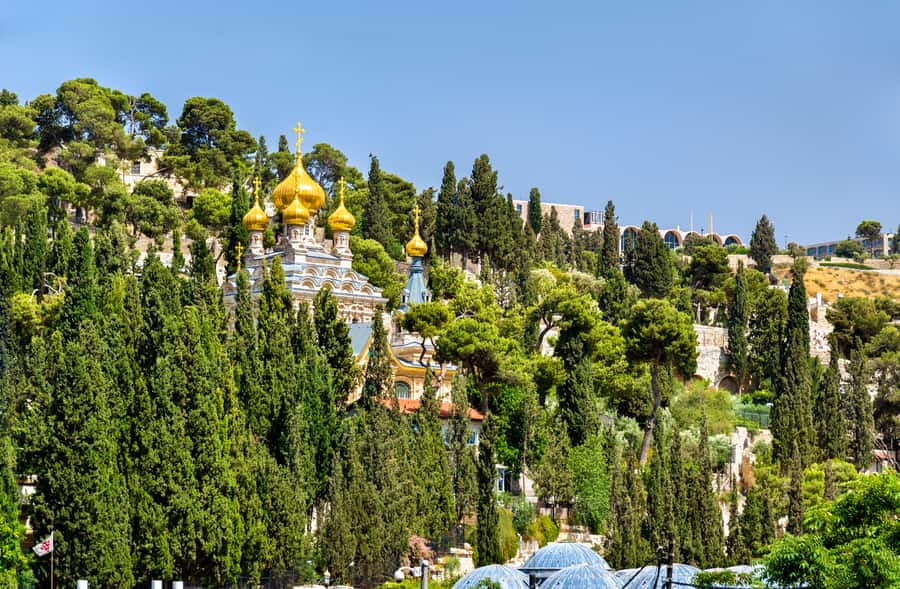
This is a 10-hour Jerusalem day built around meaning as much as location. You start outside the Old City, climb for viewpoints, then work your way into the Old City through Lion’s Gate, ending with the opening stretch of the Way of the Cross.
The big practical advantage is that the day is structured. You get a professional English guide and air-conditioned vehicle transport with hotel pick-up and drop-off, which matters in Jerusalem when walking is involved. You do not have to figure out connections or waste time getting oriented.
The “story-first” approach is also a value play. Entry fees and food are not included, but your ticket does include the guide and transportation. That is where you usually win or lose time in Jerusalem: the right guide helps you understand what you are seeing without you needing to do extra research on your phone while you are standing in the sun.
Also, since you are walking for about three hours total, it is best to treat this as a real day hike with stops, not a casual stroll.
A few more Jerusalem days worth comparing
- From Jerusalem: Masada & Dead Sea Full Day Tour with Pick Up
★ 4.5 · 815 reviews - Masada and the Dead Sea Day Trip from Jerusalem
★ 4.5 · 757 reviews - From Jerusalem: Nazareth and Sea of Galilee Tour
★ 4.5 · 588 reviews
Mount of Olives: Ascension views and the Lord’s Prayer in 123 languages
Mount of Olives is where the day turns from travel to perspective. You climb up to see the place associated with the Ascension, and then you get the payoff: a wide view over Jerusalem. Even if you have been to Jerusalem before, the angle from here makes the Old City feel more real. You can see how the city is laid out and why people have always described the area with emotion and urgency.
Pater Nostra is the other moment on this hill that you will remember. It is built around the Lord’s Prayer, and the tour includes time where you can read it in 123 languages. This is one of those stops that is not just symbolic. It gives you a tangible reminder that the same prayer travels across generations and cultures.
You should plan for the physical side of this part. The climb means uneven footing, sun, and steady time on your feet. Bring water, wear shoes with good grip, and give yourself a minute before you climb to catch your breath so you do not feel rushed.
If you like your religious sites paired with an explanation of why each place matters, this is the best start the day could have. It sets context before you head into the Old City lanes.
Dominus Flevit and the emotional turn toward Gethsemane
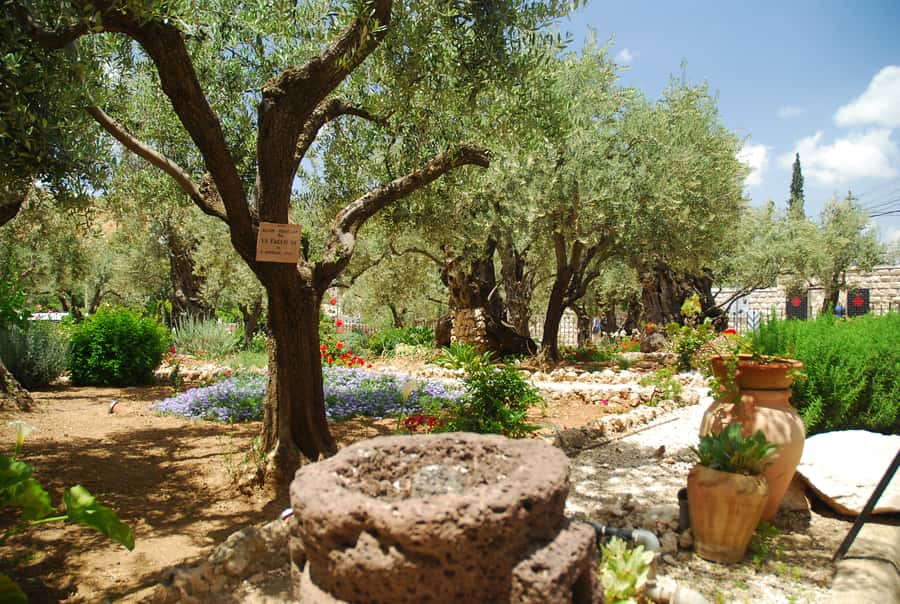
After the viewpoint experience, the day moves into a more reflective tone with Dominus Flevit. This is the stop where the theme becomes grief and warning: it is presented as the place where Jesus foresaw the destruction of Jerusalem, and the focus is on the idea of weeping over what is coming.
This matters for how the rest of the day lands. If you only visit buildings, you can miss the thread. Dominus Flevit helps connect the story to the places, so later stops feel less random.
Then the tour continues toward the Church of All Nations in the Garden of Gethsemane area. Here, you shift from hillside viewpoints into a calmer setting where the mood of the story changes again. It is not just another photo stop. It is a chance to slow down and let the guide’s explanation frame what you are seeing.
Practical tip: in these hillside-to-garden transitions, you can feel the day length more than you expect. A few minutes of rest at each stop helps. You do not need to sprint to every viewpoint, even if you want great pictures.
Kidron Valley and entering the Old City through Lion’s Gate
Once you leave the Gethsemane area theme, you cross into a different kind of Jerusalem reality with the Kidron Valley. The tour includes a look at the Jewish cemetery before you enter the Old City.
This is a meaningful contrast. It is not all dramatic monuments. It is a reminder that Jerusalem is still lived in and still layered with history. That is part of what makes guided route design useful. You do not just go from landmark to landmark. You get a sense of how these areas relate to one another.
Then comes the big entrance moment: entering the Old City through Lion’s Gate. You feel the change immediately. The air gets denser, the streets get tighter, and the walking becomes more stop-and-look than long, continuous strides.
Lion’s Gate is also a smart choice for a tour like this because it gets you into the part of Jerusalem where the story sites cluster closely together. You spend less time transferring and more time actually seeing.
If you plan your photos, aim to get your first Old City shots right near the entrance. Once you get deeper into the lanes, it becomes harder to find an angle that captures the “arrival” feeling.
A different kind of day from Jerusalem:
- Nazareth and the Sea of Galilee Day Trip from Jerusalem
★ 4.5 · 446 reviews - From Jerusalem: Masada&Dead Sea Tour INCLUDING ENTRANCE FEES
★ 4.3 · 392 reviews - Jerusalem: Guided Walking Tour of the Old City
★ 4.7 · 386 reviews - Full Day City Tour of Jerusalem
★ 4.1 · 367 reviews
Church of St. Anne and the Pools of Bethesda
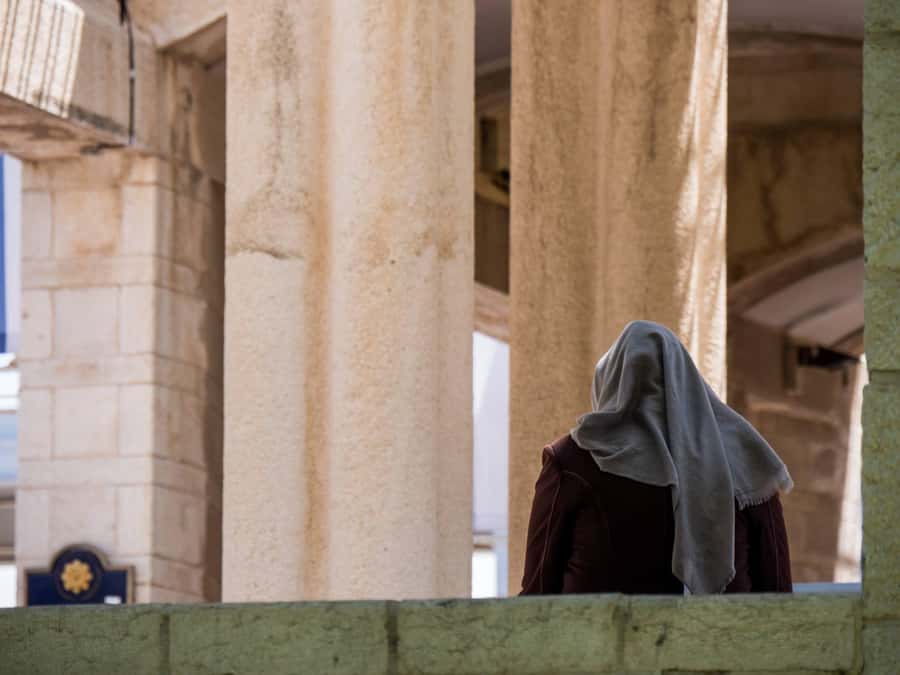
Inside the Old City route, the stops get specific in a good way. You visit the pools of Bethesda on the grounds of the Church of St. Anne.
St. Anne is included because it links to Mary’s mother, which helps you understand why this area is treated as spiritually significant. Bethesda, in turn, is remembered for the stories connected to healing and waiting. Even without turning it into a lecture, the guide’s storytelling helps the place feel more connected to what you have heard before.
The Pools of Bethesda area is also one of the better places to pause and take in the surroundings because you are surrounded by visible layers of time. You are not only listening. You are looking at a site that has been interpreted, studied, and visited for centuries.
This stop is also a good checkpoint for pacing. If you are managing energy for the later stretch toward Via Dolorosa, Bethesda is where you can reset mentally. Take water breaks here if you need them. You will still have more walking after.
Ancient pavement games under the Sisters of Zion Convent
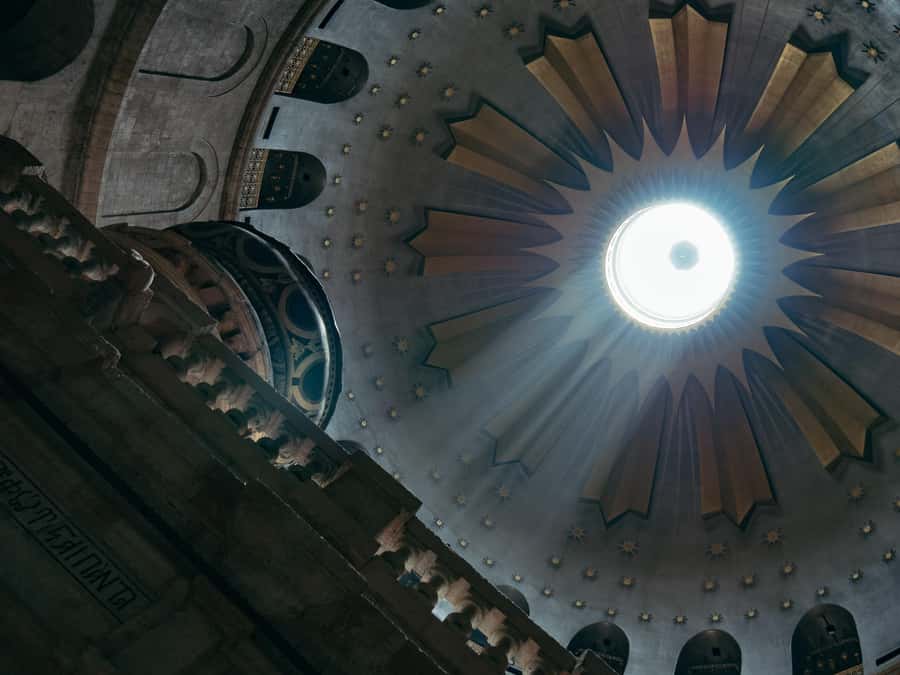
One of the most distinctive details in this day is the visit under the Sisters of Zion Convent, where you can see ancient pavement engraved with games that Roman soldiers played long ago.
This is not the kind of detail most religious tours remember to include. It is human and grounding. Instead of only thinking about sacred moments, you also see evidence of ordinary people, soldiers included, living their lives in a place that later became famous for spiritual events.
It is also a great example of why a guided tour can be worth the extra cost. Left on your own, you might miss what you are looking at or you might not realize why that pavement matters.
This stop gives you a breather between heavier story moments. You can treat it like a “museum moment” inside the street-level world of Jerusalem.
Starting point of Via Dolorosa: walking the Way of the Cross
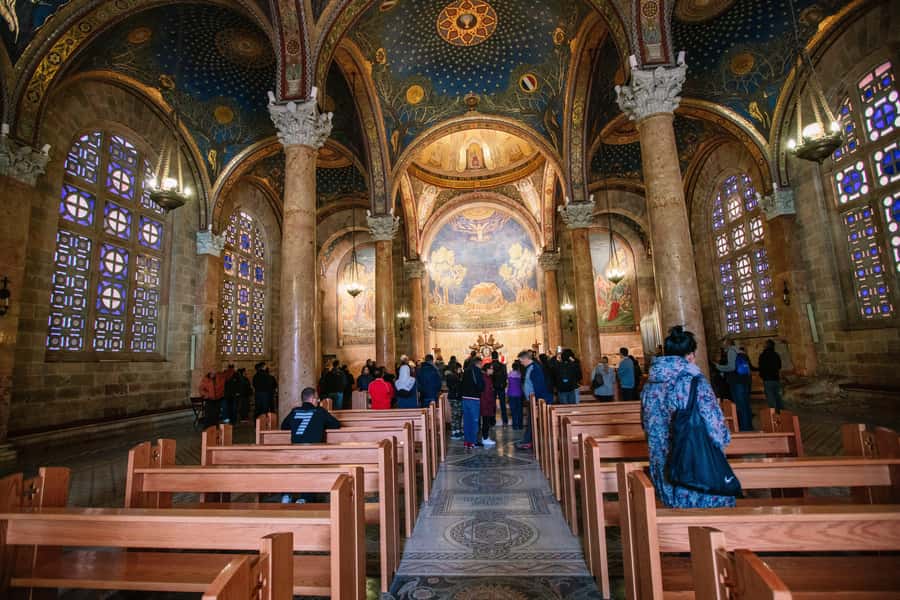
The tour ends by following the route of the Via Dolorosa, starting from its starting point. This part is where the day shifts from sightseeing into a slower, more reflective walk.
Do not expect this to feel like a single quiet chapel experience. You are moving through a real city corridor, and it will likely feel busy and crowded in the Old City lanes. That is normal. The value here is that you are not doing it blindly. The guide marks the story and helps you understand why the route is followed, rather than just where it is.
If you want the moment to work for you, slow down at the start. Take 30 seconds to let the route frame itself before you start walking faster for the sake of getting to the end.
Also, keep your comfort in mind. This is the point where your feet may already be tired from the earlier hill climb and the Old City navigation. If you packed for a long walk and took breaks along the way, the Via Dolorosa portion feels rewarding instead of punishing.
Price and value: what $99 buys you in Jerusalem
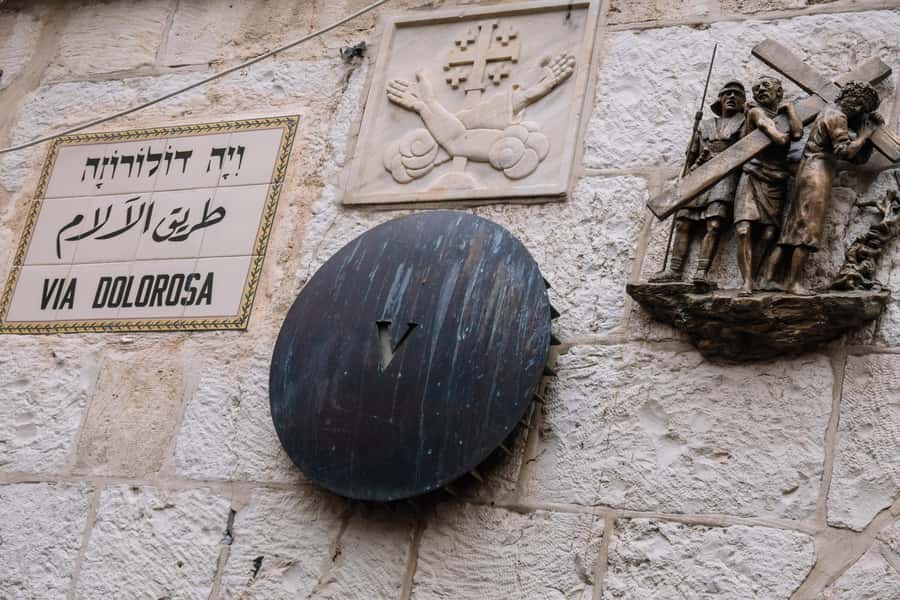
At $99 per person for a 10-hour outing, the value depends on what you would otherwise pay to make the same trip happen on your own. The tour includes a professional guide, air-conditioned vehicle, and hotel pick-up and drop-off. Those are expensive conveniences in a city where time evaporates quickly.
Entry fees and food are not included, so you should budget separately. But that is normal for Jerusalem tours where the big sites charge admission. The key question is how much you want interpretation and logistics solved for you. If you love learning while you go, a guided route like this can feel like a smart use of time.
The guide experience also matters. The strongest reviews emphasize a guide who was very well informed, patient, and willing to offer Bible reading opportunities during the day. That kind of engagement is exactly what turns landmarks into understanding.
If you are the type who enjoys hearing why each stop is included and you want help connecting the dots across Mount of Olives, Gethsemane, the Old City, and the Via Dolorosa, this price usually feels fair. If you only want to snap photos quickly and you are comfortable building your own plan, you might spend less on a DIY route. But you will likely spend more time figuring out connections and context.
Who should book, and who should think twice
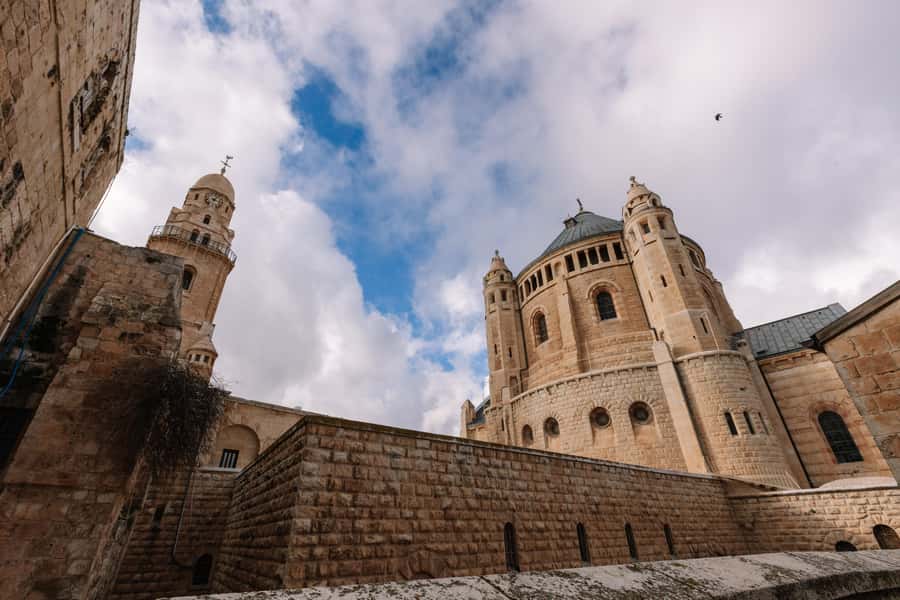
This tour is a good match if you want a guided, story-focused day that covers the major “origins” sites connected to the life of Jesus, without having to manage transfers on your own. It is also ideal if you enjoy reflective stops and appreciate small details, like the ancient Roman pavement games.
You should think twice if you need wheelchair access. The tour is not suitable for wheelchair users, and there are about three hours of walking. It is also not suitable for children under 4 due to the walking demands.
It also helps if you can handle the Old City style of movement: tighter streets, more walking later in the day, and the reality that you are sharing space with an active city.
If you like religious travel that is practical, organized, and paced for viewpoints plus the street-level Old City, you will probably enjoy this route.
FAQ
How long is the tour and how much walking is involved?
The tour runs for 10 hours, and it includes about three hours of walking.
Is this tour wheelchair accessible?
No. The tour is not suitable for wheelchair users.
What ages is the tour suitable for?
The itinerary is not suitable for children under 4.
Is the tour guided in English?
Yes. The live tour guide speaks English.
Are entry fees and meals included in the price?
No. Entry fees and food and drink are not included.
Does the tour include pick-up and drop-off?
Yes. Pick-up and drop-off are included, and the final pickup time is sent by email after you book.
Should I book this tour?
If you want a guided day that links Mount of Olives, Dominus Flevit, Lion’s Gate, Bethesda, and the opening of Via Dolorosa into one coherent route, I think it is a smart booking. The combination of English guidance, transport, and thoughtful stops like the Pater Nostra 123 languages moment and the Roman pavement games makes it feel more than just another list of holy sites.
If your priority is maximum comfort and minimal walking, or you need wheelchair access, look for a different format. Otherwise, plan for a full day on foot, bring what you need, and let the guide do the heavy lifting of connecting each place to the story.
Recently reviewed around Jerusalem
- Walking tour of the Old City of Jerusalem★ 4.3 · 4 reviews
- jerusalem classic tour★ 5.0 · 3 reviews
- Private Tour: Old City of Jerusalem Christianity Tour★ 5.0 · 5 reviews
- Magical Walking Tour in Old City of Jerusalem★ 5.0 · 27 reviews
- Tour of Jerusalem & Dead sea private tour★ 5.0 · 4 reviews
- West Bank Tour from Jerusalem★ 4.5 · 184 reviews
- Private Day Tour of Jerusalem★ 5.0 · 6 reviews
- Private Tour : Jerusalem Old city day trip from Jerusalem★ 5.0 · 20 reviews
Jerusalem Tours, compared.
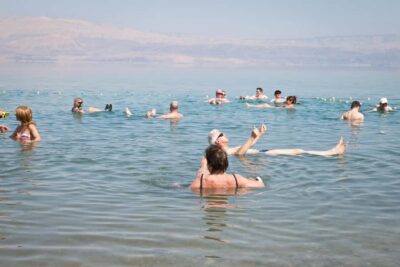
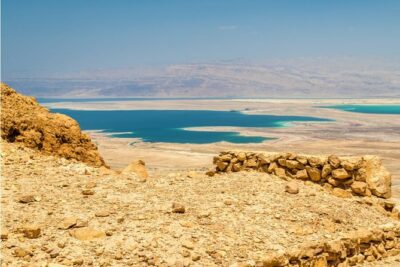
Masada and the Dead Sea Day Trip from Jerusalem
Read our review →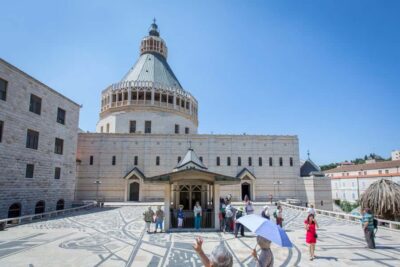
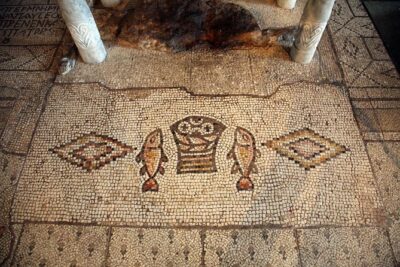
Nazareth and the Sea of Galilee Day Trip from Jerusalem
Read our review →
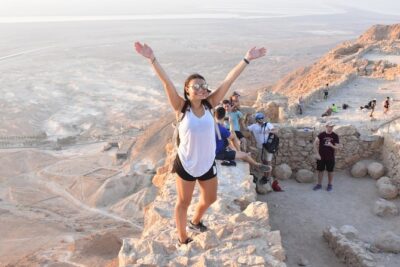
Masada, Ein Gedi and The Dead Sea from Jerusalem
Read our review →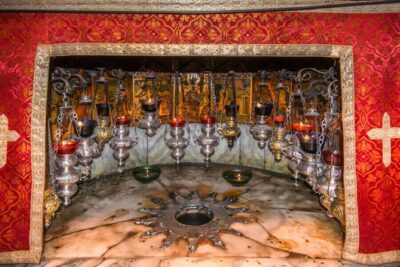
Jerusalem and Bethlehem Day Tour from Jerusalem
Read our review →Browse the lists this tour appears in