
Reviewed · WEST BANK TOURS
JERUSALEM private tour with ELAD VAZANA – Life in Israel & Palestine Then & Now
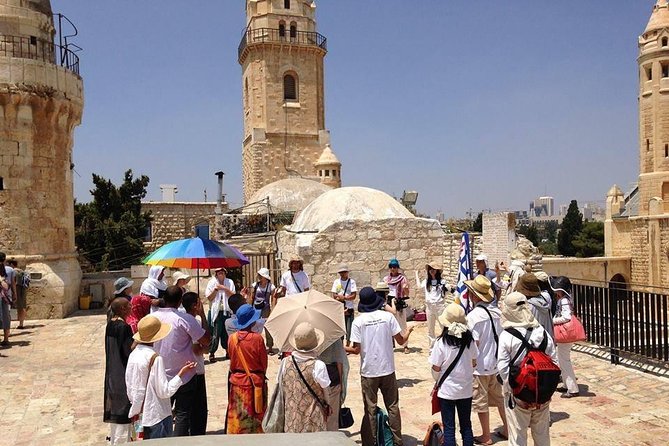
Jerusalem is one of those cities where every corner feels layered, and this private tour is built for people who want to understand the layers without getting swept along by the crowd. With guide Elad Vazana, you get a slower pace and room for real questions as you move between major holy places and local life.
I especially like how the tour blends then and now, using clear timelines and stories from different perspectives, not blame games. I also like the flexibility of a private format, since you can adjust the pace, ask follow-ups, and even choose options like parts of the Via Dolorosa or the Room of the Last Supper.
The main thing to consider is scheduling and access: the Dome of the Rock is closed on Fridays, Saturdays, and Muslim holidays, so your route may feel a bit different depending on the day you go. Also, it is a lot of walking, so skip sandals and plan for modest clothing at religious sites.
Key Points to Know Before You Go
- Private and flexible: up to 12 people, so it feels personal and you can ask questions.
- Then and now approach: Elad frames history with current context, aiming for balanced storytelling.
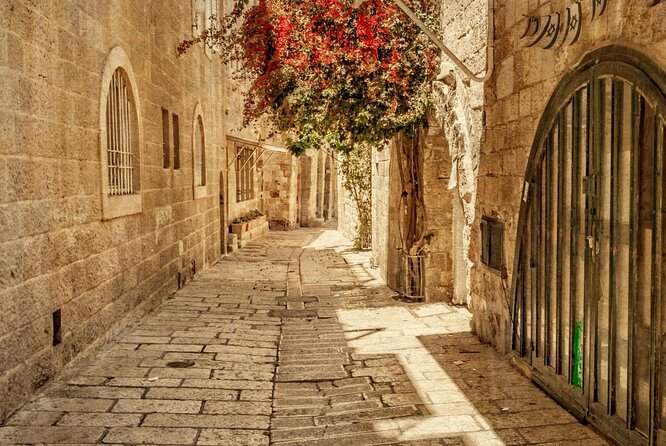
- Major sites plus everyday streets: Western Wall, Dome of the Rock, Church of the Holy Sepulchre, and the markets in between.
- Optional segments: choose whether to walk the Stations of the Cross and whether to include Mount Zion add-ons.
- Bagel and coffee/tea: you get small comfort breaks, not just stone and stairs.
- Big closure day: Dome of the Rock is closed on Fridays, Saturdays, and Muslim holidays.
Why This Jerusalem Private Tour With Elad Vazana Feels Different
Jerusalem can be intense. It is holy to multiple religions, it has competing narratives, and it keeps turning the page on the same arguments across centuries. This is why the guide quality matters. Elad Vazana’s style is matter-of-fact, focused on timelines and facts, and designed to help you understand why people care, not just what the landmarks are.
I like that you are not locked into a rigid script. You are given a route, then you get the freedom to move at your speed. If a detail sparks a question, you do not have to save it for later. That makes the city feel less like a museum and more like a living place.
The other thing I like is that the tour does not treat sacred sites as isolated icons. You also see the surrounding neighborhoods, the visual culture of each quarter, and everyday items you can actually buy. That is where Jerusalem stops being abstract and starts making sense.
More West Bank tours from Jerusalem:
- West Bank Tour from Jerusalem
★ 4.5 · 184 reviews - Travel From Jerusalem To Bethlehem and Dead Sea – Daily Group West Bank Tour
★ 5.0 · 129 reviews - Palestine Revealed: 2-Day Private Tour from Jerusalem
★ 5.0 · 110 reviews
Starting at Jaffa Gate, Learning Jerusalem Basics Fast
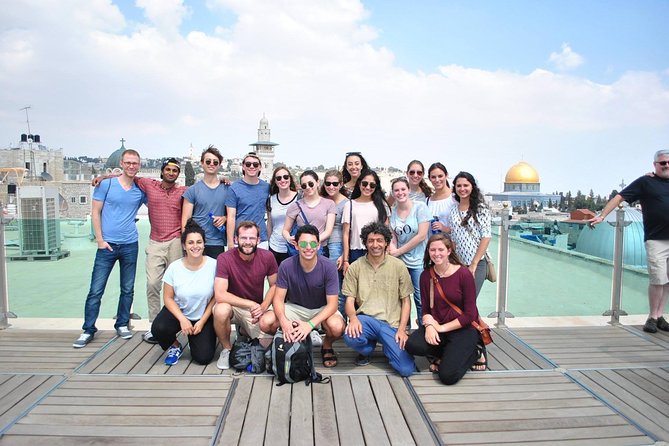
You meet near Jaffa Gate Hostel at 8:30am, and the tour begins with a practical orientation at Jaffa Gate itself. This matters more than it sounds. Jaffa Gate is one of the city’s entrances, tied to how people historically approached Jerusalem. Getting that context early helps the rest of the day click into place.
Expect about 20 minutes here. You will learn the basics of Jerusalem and the ancient wall context as you get your bearings. It is a good way to start without immediately jumping into the busiest holy-site queues.
A small pro-tip: this start time means you can get moving while the streets are still manageable. Still, Jerusalem always has walking. You will want comfortable shoes from the first step, not “sometime later.”
Dome of the Rock: Understanding a Sensitive Site Without Hot Air
Next up is the Dome of the Rock, with about 1 hour 30 minutes to cover both the history and why conflict surrounds the location. This stop is the clearest example of how the tour tackles sensitive subjects. Instead of taking shortcuts, Elad explains the background and how people interpret the same space differently.
Important logistics: the Dome of the Rock is closed on Friday, Saturday, and Muslim holidays. If your visit falls on one of those days, plan for a different flow. This is not a deal-breaker, but it is a real scheduling factor, so pick your date with eyes open.
For modesty, dress rules apply at holy sites. Bring a hat, and if you feel warm easily, also bring water. That kind of practical prep keeps the day comfortable when the sun and stone team up.
Western Wall: The Meaning, the Prayer, and the Etiquette
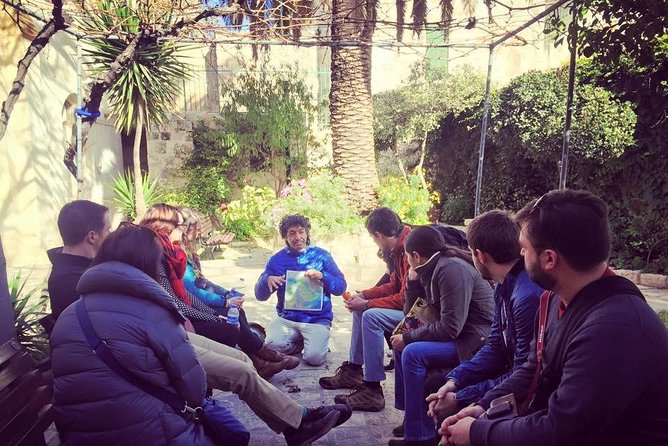
Then you head to the Western Wall for roughly 30 minutes. This is not just a photo stop. You will learn its significance to Jewish life and practice. You will also have the chance to approach the Wall and leave a secret written prayer in the cracks, with guidance on how to do it respectfully.
This is one of the moments when the private format pays off. In a group tour, people move fast and often forget to absorb what they are seeing. Here, you can slow down, hear the meaning, and actually notice the details.
Quick etiquette reminder: keep your clothing modest, be mindful of quiet areas, and follow your guide’s cues. This place runs on respect, not vibes.
A few more Jerusalem days worth comparing
- From Jerusalem: Masada & Dead Sea Full Day Tour with Pick Up
★ 4.5 · 815 reviews - Masada and the Dead Sea Day Trip from Jerusalem
★ 4.5 · 757 reviews - From Jerusalem: Nazareth and Sea of Galilee Tour
★ 4.5 · 588 reviews - Nazareth and the Sea of Galilee Day Trip from Jerusalem
★ 4.5 · 446 reviews
Jewish Quarter: Customs, Religious Objects, and Biblical Stories
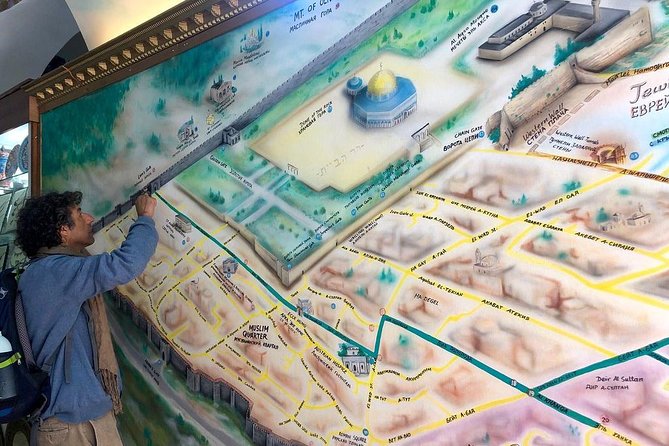
From the Western Wall you move through the Jewish Quarter for about 40 minutes. This stop focuses on customs of Judaism, religious items, and artwork, plus Biblical stories tied to what you see around you.
What I like here is the mix of visual culture and explanation. You are not just being told what something means, you are seeing how belief shows up in everyday objects. It makes the Jewish Quarter feel tangible.
The time is short enough that you will not feel dragged, but long enough that you should notice patterns in the streets, signs, and shops. You also get a chance to ask questions, which is where the private format really earns its keep.
Via Dolorosa Optional Walk to the Church of the Holy Sepulchre
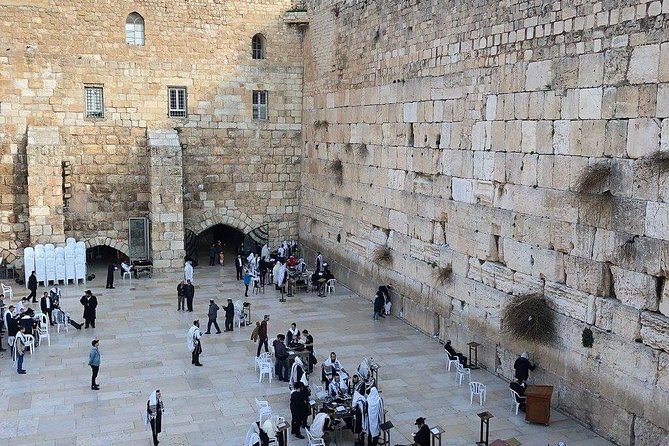
The route then includes the Way of the Cross (Via Dolorosa) as an optional segment, about 20 minutes. If you choose it, you will walk the Stations of the Cross to the Church of the Holy Sepulchre.
If you skip it, you still reach the Church of the Holy Sepulchre, so you do not lose the major payoff. The tour gives you control over how much “pilgrimage walking” you want to do on your day.
One heads-up: Via Dolorosa is busy at many hours of the day. Going with a guide helps you avoid chaos and understand what you are seeing as you move.
Muslim Quarter: Islam, Symbols, Dress, Architecture, and Codes
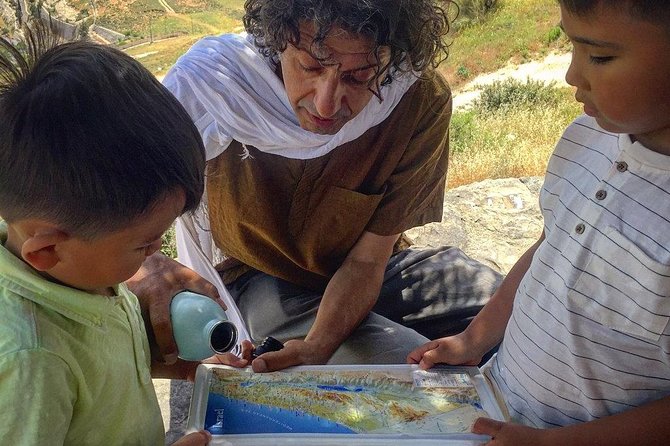
Next is the Muslim Quarter, about 1 hour. This portion is designed to help you read the city like a visitor and like a student. You will learn about Islam, cultural symbols, dress, architecture, and what your guide calls the local codes and history tied to the streets.
I like this stop because it shifts the day from “monuments” to “people and systems.” Jerusalem is not only a set of churches and walls. It is also neighborhoods with lived cultural rules and visual language. This is where you get a better sense of how locals experience the city every day.
Dress matters again. Modest clothing is required for entering holy sites, and even when you are not entering a building, you will be standing in religiously significant spaces. A lightweight layer can help if you need to adjust.
Mount Zion: King David, and a Couple of Important Optional Pieces
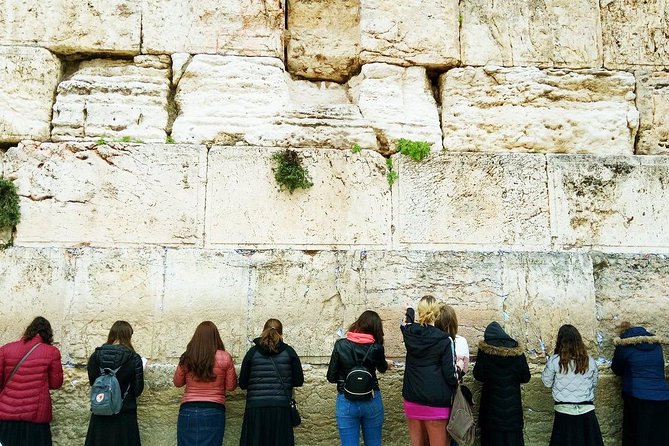
At Mount Zion, you have about 30 minutes. This area ties together two famous points: the Tomb of King David, and the Room of the Last Supper as an optional add-on.
The Tomb stop is the core. If you include the Room of the Last Supper, you will get more context around the Christian tradition connected to the site. The tour keeps it flexible, so you can decide based on your interests and energy.
This is also a good moment to use the private format well. If you care about the overlap and differences in how faiths interpret sites, ask. If you prefer a quieter pace, you can keep it simple.
The Cardo: Roman Streets, Then a Modern Shopping Strip
After Mount Zion, you visit the Cardo, with about 20 minutes. Here you learn that this main street traces back to Roman planning, laid out nearly 2,000 years ago, and that today it functions more like a shopping center for Jewish art and religious items.
What makes this stop valuable is the way it connects time periods without making it feel like homework. You see continuity in the way people move through the city, buy objects, and gather along a central corridor.
You are not lingering here for a long lecture. It is more like a guided “walk through time,” with enough context to understand why the location matters.
Muristan Market Lunch Stop: Plan for Time, and Don’t Expect Lunch to Be Included
You then move to Muristan Market for about 30 minutes. This is where you can grab lunch. The tour description points to Mediterranean local fresh food, with hummus and friends, but lunch is not included in the price.
I like having a meal built into the route because it keeps the day from running on empty. But I want you to plan your budget, since the tour only includes coffee and/or tea, not lunch.
If you have dietary needs, take a moment before you sit down. Markets can be flexible, but you still want to confirm what’s in the dish. And yes, you will probably be walking again after lunch, so choose something you can eat comfortably, not something you will regret in five minutes.
Christian Quarter: The Main Shopping Street and a Walk Into Another World
Next is the Christian Quarter, about 30 minutes. You walk via the main shopping street of the Christian Quarter, and the point is to see the neighborhood’s texture, not just the church door at the end.
This segment helps connect the Church of the Holy Sepulchre back to the everyday streets around it. It is one thing to enter a religious building. It is another to see how commerce, community, and visitors mix just outside.
Church of the Holy Sepulchre: A Complex Place That Needs a Guide
The big finale stop is the Church of the Holy Sepulchre, with about 1 hour. This church is complex, with around 20 chapels, each with its own history and significance. Without help, it can feel like you are wandering through rooms with no thread.
The tour’s value here is interpretation. You hear stories of the chapels and what to pay attention to, so the church stops being confusing and starts being meaningful.
This is also where you benefit from the balanced approach. The church is a major Christian site, but people treat it with careful attention because of its long, layered past. A guide helps you keep perspective and follow the flow without feeling rushed.
Price, Group Size, and How You Get Value From a Private Day
This tour costs $450 per group, for up to 12 people, and runs about 6 to 7 hours. On paper, it might look like a “big number.” In Jerusalem, though, a private tour can be a smart trade if you want conversation time and a route that fits real curiosity.
Here is how I think about value for this specific day:
- You get a full route that includes major sites plus neighborhood context, all in one half-day.
- You get a private, discussion-friendly format where sensitive topics are handled with facts and timelines instead of shouting matches.
- You also get a small included perk, coffee and/or tea, plus the tour includes a taste like a Jerusalem bagel.
If you are traveling solo or as a couple, private tours often feel expensive. But when you add up the cost of multiple crowded tours, plus the time you lose asking questions in line, the $450 group price can start to look reasonable. The sweet spot is when you have at least a few people to share the group fee, or when you strongly prefer not to be herded.
Practical Tips: What to Wear, Bring, and When to Customize Your Route
Do not overpack, but do prep for the basics. The tour suggests a hat, water, and comfortable walking shoes. I agree. Jerusalem days add up fast, and you do not want your feet deciding the itinerary.
For clothing, plan modest attire. Holy sites are part of the route, and you will need to cover appropriately. A light layer can help you adjust without turning the day into a laundry challenge.
Also consider day-of-week and holidays. Since the Dome of the Rock has closure days, build flexibility into your plan. The tour can be customized for morning or afternoon, which helps if you have other reservations.
Finally, if you hate navigating streets, ask about private transportation. It is available for an additional fee. The tour also notes you are near public transportation, so you can still manage without it, but the private option may reduce stress.
Who This Tour Suits Best (And Who Might Want a Different Fit)
This tour fits you if:
- You want a balanced historical and current context approach.
- You prefer questions and conversation over a lecture with no time for follow-ups.
- You enjoy walking through quarters and markets, not only major monuments.
You might want a different option if:
- You have limited stamina and need very short stop times.
- You are only interested in one single landmark and not the neighborhoods around it.
- Your priorities are purely high-level sightseeing with minimal interpretation, since this tour is built to explain meaning.
Should You Book? My Quick Take
If you like Jerusalem to make sense, book it. This is the kind of private day that helps you connect the sacred sites to the living city around them, and it does it with a guide who keeps things grounded in facts and timelines. Add in the convenience of a flexible private route, plus the fact that you get both major holy sites and everyday streets, and you have a strong value for a half-day.
Just remember the real-world constraint, the Dome of the Rock closure days, and dress for modesty and walking. If you do those two things well, you will come away with a clearer, calmer understanding of Jerusalem’s “then and now” story.
FAQ
How long is the Jerusalem private tour?
It runs about 6 to 7 hours.
What is the group size for this private tour?
It is a private tour for your group, with a maximum group size of up to 12 people.
Where do we meet for the tour?
You meet at Jaffa Gate hostel, Jaffa gate, Jerusalem.
What time does the tour start?
The start time is 8:30am.
Is lunch included?
Lunch is not included. There is a lunch stop at Muristan Market where you can buy Mediterranean local food.
What is included in the price?
Coffee and/or tea is included.
Do I need tickets for the sites?
Admission tickets are listed as free for the stops included in the itinerary.
Is the Dome of the Rock ever closed?
Yes. The Dome of the Rock is closed on Friday, Saturday, and Muslim holidays.
What should I wear?
Modest clothing is required to enter holy sites. You should also wear comfortable walking shoes, and the tour suggests bringing a hat and water.
Recently reviewed around Jerusalem
- Walking tour of the Old City of Jerusalem★ 4.3 · 4 reviews
- Private Tour: Old City of Jerusalem Christianity Tour★ 5.0 · 5 reviews
- Magical Walking Tour in Old City of Jerusalem★ 5.0 · 27 reviews
- Tour of Jerusalem & Dead sea private tour★ 5.0 · 4 reviews
- West Bank Tour from Jerusalem★ 4.5 · 184 reviews
- jerusalem classic tour★ 5.0 · 3 reviews
- Private Silk Painting Workshop in Jerusalem – Create a scarf –★ 5.0 · 4 reviews
- Day Trip from Jerusalem to Sea of Galilee and Nazareth★ 5.0 · 11 reviews
West Bank Tours, compared.
Travel From Jerusalem To Bethlehem and Dead Sea – Daily Group West Bank Tour
Read our review →
Palestine Revealed: 2-Day Private Tour from Jerusalem
Read our review →
West Bank Tour from Jerusalem and Tel-Aviv – Bethlehem & Jericho
Read our review →
Hebron & Ramallah Full-Day Guided Tour from Jerusalem
Read our review →Browse the lists this tour appears in