Reviewed · OLD JAFFA
Tel Aviv & Old City of Jaffa – Tiny group from Tel Aviv
What makes this tour interesting is the way it stitches together modern Tel Aviv with the older layers of Jaffa, so you can see how this region became what it is today. I like that the group stays small (max 10), which usually means you spend more time actually talking and walking, not waiting around.
I also like the mix of places you get to recognize later, Neve Tzedek, the converted 19th-century station area called HaTachana, and then the Old City of Jaffa with its Clock Tower. It is a focused sampler that still feels grounded, not rushed.
One drawback to consider is timing and pacing. The tour runs about 3 to 4 hours and includes a fair amount of walking, and at least one past booking noted a late start and the tour being handled through a third-party operator. So do yourself a favor, confirm details before you go, and plan a little buffer.
Key highlights I think are worth your attention
- Neve Tzedek first, so you start in Tel Aviv’s older, character-heavy corner
- Suzanne Dellal Centre stop for culture and local identity, not just sightseeing
- HaTachana area, where a historic rail-era site now functions as a lively gathering place
- White City and UNESCO context, with Bauhaus architecture explained as more than just a style
- Jaffa Old City landmarks like the Clock Tower, plus Ottoman-era remnants
- Small-group pace that cuts down on pickup time and keeps the tour conversational
Meeting the White City and the Old Port on One Shared Route
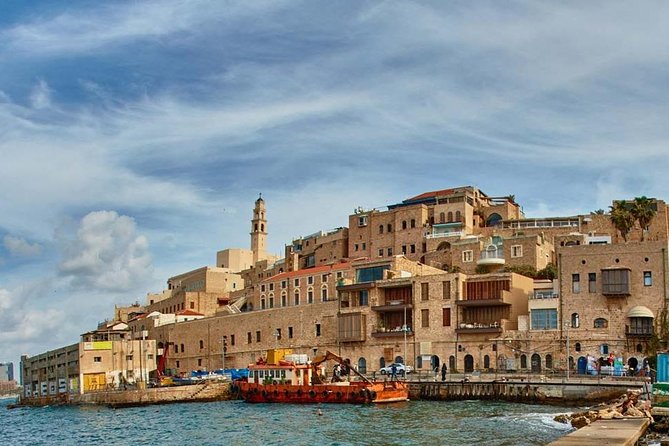
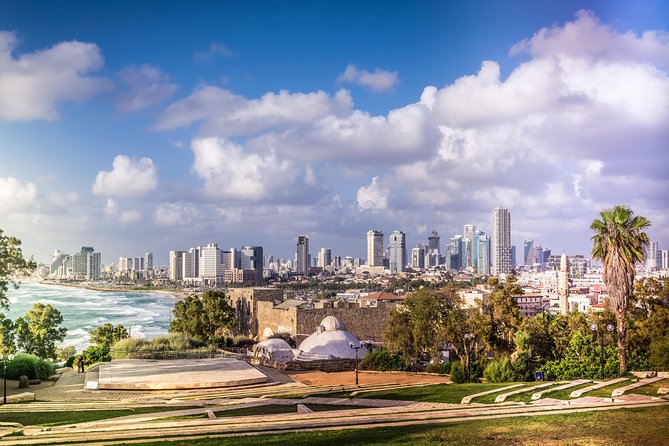
This is the kind of tour you take when you want your first day in Tel Aviv to make sense. You start in the south side neighborhood of Neve Tzedek, then you work your way toward Jaffa, one of the oldest port cities in the world. Along the route, your guide connects architecture, daily life, and the historical timeline so the places do not feel like disconnected postcards.
You get a professional licensed guide, and the tour is designed as a walking experience. There is a mobile ticket, you meet at Dan Panorama Tel Aviv, on Kaufmann Street 10, and you finish at the Clock Tower on Yefet Street 14. That end point is useful, because it drops you right in the area where you can keep wandering after the tour.
The big value here is context. Yes, you see highlights. But the real point is learning how the UNESCO World Heritage status for Tel Aviv’s Bauhaus and related architecture fits into the city’s identity. If you have been staring at Bauhaus photos online and wondering what you are supposed to notice in real life, this kind of guided introduction helps you see the patterns.
The group limit matters too. Maximum of 10 people is a sweet spot. You usually get more personal attention, and the guide can keep adjusting as questions come up. That is exactly what people praise most about this tour experience.
More City Tours in Tel Aviv
- From Tel Aviv: Jerusalem Old & New City Bus Tour
★ 4.2 · 824 reviews - From Tel Aviv: Jerusalem Old City & Dead Sea Guided Day Tour
★ 4.4 · 389 reviews - From Tel Aviv: Jerusalem Old City Guided Tour
★ 4.6 · 59 reviews
Neve Tzedek on Foot: Tel Aviv’s character before the big city rush
You begin in Neve Tzedek, Tel Aviv’s original neighborhood on the southern side. This is a smart opening move. Instead of starting with the headline skyline, you start with street level character: local houses, older streets, and the kind of slow, human scale that later makes the modern parts of the city feel more meaningful.
You will walk through the area and the guide points out how the neighborhood feels distinct. Neve Tzedek has that older-meets-local vibe, and on a first-time visit, it helps you understand that Tel Aviv is not only glass towers and beach scenes. It has layers.
A practical tip: wear comfortable shoes. This tour is meant to be walked, and “moderate physical fitness” is part of the setup. If you are the type who likes to stop for photos every 10 seconds, you can still do it, but you may need to move a bit faster than usual so you do not fall behind the group.
Suzanne Dellal Centre: culture that belongs to the neighborhood
From Neve Tzedek, you move to the Suzanne Dellal Centre, a cultural hub tied closely to the neighborhood’s identity. This is not just a photo stop. The value is in what it represents: how local culture roots itself in a place, then becomes part of how people live, not just what tourists visit.
When a guide includes a cultural center in an intro tour, it usually means you will connect the architecture and streets to the present day. That is the tone you want here. If you like tours where the guide talks about why things exist, not just where they are, this stop fits.
I also like that it breaks up the architecture talk. Bauhaus-style explanations can get technical quickly if you do not balance them with something cultural. The Dellal Centre gives you a pause, so you can reset your brain before you head toward the historic station zone.
HaTachana, the 19th-century rail-era conversion you can feel
Next comes HaTachana, the area built around a 19th-century converted railway station. This is one of those spots where the buildings still carry the old purpose, but the current life feels modern and creative.
What I find useful about this stop is that it teaches you how Tel Aviv handles its past. Instead of building a museum bubble, the city repurposes structures and lets them function in everyday culture. That approach also connects to why the city’s UNESCO story focuses on architecture in use, not only architecture in theory.
In a short tour like this, HaTachana also functions as a way to orient your senses. You see the scale of the station-era structures, and you understand why this area became a magnet. If you return later, you will know what you are looking at, instead of just walking through a trendy zone.
More of Old Jaffa:
- Tel Aviv Jaffa Guided Bike Tour
★ 4.5 · 178 reviews - Tel Aviv: Jaffa Half-Day Walking Tour
★ 4.5 · 70 reviews - Tel Aviv: Jaffa & Carmel Market Walking Tour
★ 4.7 · 60 reviews - Best of Tel Aviv and Jaffa Walking Tour – 1 Day
★ 4.5 · 53 reviews
Building the UNESCO White City connection, before you reach the older streets
Tel Aviv’s UNESCO recognition is tied to Bauhaus and related architecture. On this tour, the guide explains the highlights that won the city World Heritage status. That matters because Bauhaus in books can feel abstract. In real streets, it becomes visible patterns: clean lines, a particular way of arranging windows, and consistent design logic across neighborhoods.
So when you are moving between stops, listen for the guide’s framing. Do not treat the Bauhaus conversation as trivia. It is a way to understand how a young city built itself with a shared architectural language, then turned that into a recognizable identity.
This is also where you might get helpful pointers for what to notice after the tour. People often say the best guides help you keep learning once you are off the bus and back on your own feet. Here, that’s part of the experience. You should leave knowing what kind of details to look for around Tel Aviv, not just memorizing names.
Independence Hall area: linking architecture to modern history
The tour includes stops that connect to modern national history, including Independence Hall. Even if you have visited other cities with major political sites, this can feel different because Tel Aviv’s built environment and its architectural story are part of the national narrative.
A good guide will help you place the more recent history inside the longer timeline of the region. That is exactly the kind of approach people praise most. You are not just shown a building and told what it is. You get the “why it matters” behind the walls.
If your brain likes timelines, plan to take a few notes on your phone during this part. You will remember the buildings, but the connections fade quickly unless you write them down in small pieces.
Jaffa: the ancient port city mood shift that makes Tel Aviv feel bigger
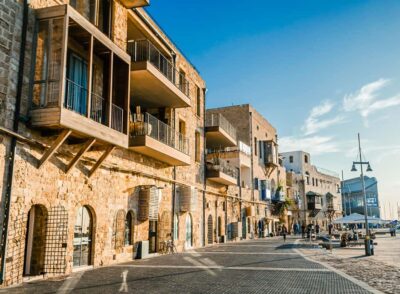
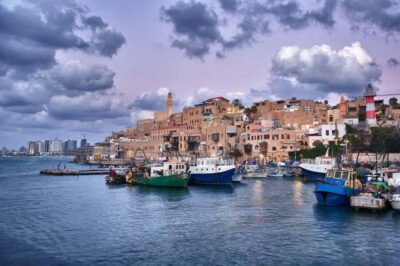
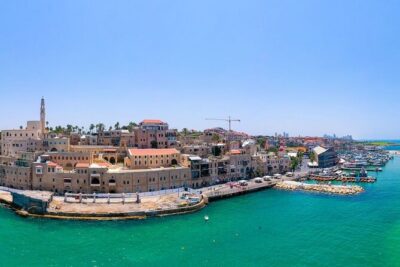
Now you reach Jaffa. This part of the tour changes the temperature of the experience. Tel Aviv can feel sleek and new. Jaffa feels older and denser, with a sense of layers you can almost read in the streets.
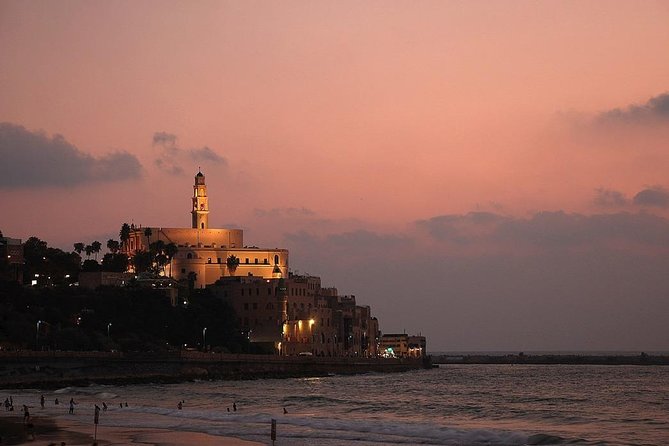
Jaffa is described as one of the oldest cities in the world, and the tour leans into that by focusing on the Old City. You will see the Clock Tower, then move through Ottoman remnants and older structures in the area.
This is also where the walking feels more purposeful. You are not only moving between sights. You are moving through time. If you like cities with visible history, Jaffa is where this tour earns its keep.
A quick practical note: if you plan to keep exploring after the tour, the finish location at the Clock Tower is perfect. You can roll right into wandering on your own without needing transport or a new meeting point.
The Clock Tower of Jaffa: your visual anchor
You see the Clock Tower in the Old City area. Think of it as your landmark for orientation. When you finish at the Clock Tower, you have a clear reference point for where you are and where to go next.
During the tour, your guide uses it as a hub for explaining how Jaffa’s layout and key structures fit together. If you are the type who gets lost easily, landmarks like this reduce stress fast. You will know where to aim when you are taking side streets.
And if you are into street photography, the Clock Tower area is a strong backdrop. Even without knowing every single historical detail, you can frame it as a place where modern life and older architecture share the same air.
Ottoman Seraya building: a calmer look at what survived
Another highlight is the Ottoman Seraya building, plus other Ottoman remnants. This is a good stop for learning how empires leave behind more than monuments. They shape street patterns, public buildings, and the “grammar” of a city.
You might find the Seraya stop especially helpful if you usually see historical sites as isolated attractions. Here, the aim is to connect the remnants to the larger story, so it feels like you are walking through a living history, not a staged exhibit.
If you are short on time during your trip, this tour gives you enough context in a few hours to make independent exploration in Jaffa much more rewarding afterward.
What the $139 price buys you, and when it feels fair
At $139 per person for about 3 to 4 hours, you are paying for two main things: a licensed guide and a tight, small-group route that covers both Tel Aviv highlights and Jaffa Old City landmarks in one sitting.
If you only cared about checking off famous points, you might feel tempted to go on your own. But the way the guide explains UNESCO White City context and links it to modern history is the part that often justifies the cost. It is also why people praise the tour as great value and an in-depth way to understand Israel today and long ago.
Still, there is one “fit check” to do before you book. If you hate walking tours and you want lots of free time at each stop, this might feel like a lot. The tour is designed to keep moving. The upside of a small group is that you move with a bit more flexibility than large buses, but the schedule is still real.
Also, plan a little extra caution with timing. One past experience mentioned a half-hour late start and clarified that the operator runs through Viatour even when booked via Viator. That suggests your best move is to confirm details the day before, then again the morning of, so you do not lose time waiting.
Logistics that actually matter: start point, finish point, and shoes
Start is 10:00 am at Dan Panorama Tel Aviv on Kaufmann Street 10. End is at the Clock Tower on Yefet Street 14. That end point matters more than it sounds, because it places you in the Old City area where you can keep exploring without needing another plan.
Comfortable shoes are recommended. You are covering multiple neighborhoods and moving through the older streets of Jaffa. If you show up in stiff footwear, your feet will vote against you.
Weather matters too. The tour requires good weather. In winter season, bring an umbrella and warm clothing. That is practical advice, because even a small rain can make walking less pleasant, especially in an Old City area.
Who this tour is best for, and who should pick something else
I think this tour is best for you if you:
- Want a first-time introduction that connects Tel Aviv’s architecture to the region’s longer history
- Like small groups where you can ask questions and keep moving at a conversational pace
- Prefer walking tours with a guide who gives ideas for what to explore after the tour
It may be less ideal if you:
- Want a mostly seated experience or minimal walking
- Are very sensitive to schedule delays and can’t handle a possible late start
- Expect food included, because food and drinks are not part of the package
If you love history, you will likely enjoy the way modern Israel is explained in the context of the long timeline of the region. That’s a major theme in the positive feedback.
After the tour: using the Clock Tower finish like a pro
Because you end at the Clock Tower, you can treat the tour as your orientation session. You finish at a central landmark in Jaffa and can decide how to spend the remaining time based on your mood.
If you want more architecture, you can keep wandering with the Bauhaus and White City ideas fresh in your mind. If you want atmosphere, Jaffa is the place. The key is that you will not be starting cold. You will have a guide’s framework in your head, so the streets feel legible.
If you like to plan snacks, you might want to grab food after you finish since the tour does not include food or drinks. That way you avoid searching for something good while your energy is already running low.
Should you book the Tiny Group Tel Aviv and Old City of Jaffa walk?
Book it if you want a compact, guided orientation that connects Neve Tzedek, HaTachana, UNESCO White City context, and Jaffa’s Old City into one coherent first-day experience. The small group size, the licensed guide, and the way the tour helps you understand both modern Israel and the deeper past are the reasons this tour earns strong scores.
Skip it or consider another option if you hate walking, want food included, or you are extremely schedule-sensitive. Also, do not ignore the practical warning about potential late starts and third-party handling. A quick confirmation and a bit of buffer will save you stress.
Bottom line: for many first-time visitors, this is a solid value because you leave with context you can use immediately while exploring on your own.
FAQ
How long is the Tel Aviv and Old City of Jaffa tour?
It runs about 3 to 4 hours.
How big is the group?
The tour is limited to a maximum of 10 travelers, and it requires a minimum of 3 people to operate.
What time does the tour start?
The start time is 10:00 am.
Where do I meet the guide?
You meet at Dan Panorama Tel Aviv, Kaufmann St 10, Tel Aviv-Yafo, Israel.
Where does the tour end?
The tour ends at the Clock Tower, Yefet St 14, Tel Aviv-Yafo, Israel.
Is food or drinks included?
No, food and drinks are not included.
What should I wear or bring?
Comfortable shoes are recommended. The tour requires good weather, and in winter season you may want an umbrella and warm clothing.
Is admission required?
Admission tickets are free for the included stops.
What if the weather is bad?
If the tour is canceled due to poor weather, you will be offered a different date or a full refund.
Can I get a full refund if I change my plans?
Yes. You can cancel up to 24 hours in advance for a full refund.
Recently reviewed around Tel Aviv
- private Full-day Tour to Jericho + the Dead Sea★ 5.0 · 3 reviews
- Haifa Acre and Rosh Ha-Nikra Private Tour from Tel Aviv★ 5.0 · 5 reviews
- Jerusalem Full-Day Tour from Tel Aviv INCLUDING ENTRANCE FEES★ 4.0 · 68 reviews
- Israel Holy Land Christian Tour Package 7 days – Private Tour Package★ 5.0 · 31 reviews
- Jerusalem and Dead Sea Trip from Tel Aviv★ 4.0 · 6 reviews
- Unforgettable Tour to Caesarea, Haifa, Acre and Rosh HaNikra from Tel Aviv★ 4.0 · 56 reviews
- VIP Tel Aviv airport Terminal 3 Fast Track Skip Line From plane★ 4.5 · 9 reviews
- Package VIP Skip Line Services in BGN Airport with Transfer to Tel aviv Hotels★ 5.0 · 3 reviews