
Reviewed · CITY TOURS
Jerusalem: Old City Morning Tour
Jerusalem’s Old City has a way of feeling like time travel, and this morning route threads the biggest sacred landmarks in just a few hours. I like how the guide brings the four quarters to life, and I like the steady stop at the Western Wall where you can pause and make it personal.
One drawback to plan around: this is real walking. Expect stairs and uneven ground, and you’ll be moving for most of the tour, so comfortable shoes are not optional.
Key highlights worth your morning
- Jaffa Gate start (07:45 AM): begin early and get your bearings before the day crowds roll in
- Four historic quarters in one loop: Jewish, Christian, Armenian, and Muslim areas connected by stories, not just streets
- Western Wall time built in: a full guided stop at a major prayer site
- Via Dolorosa section: walk part of the route associated with Jesus’ path
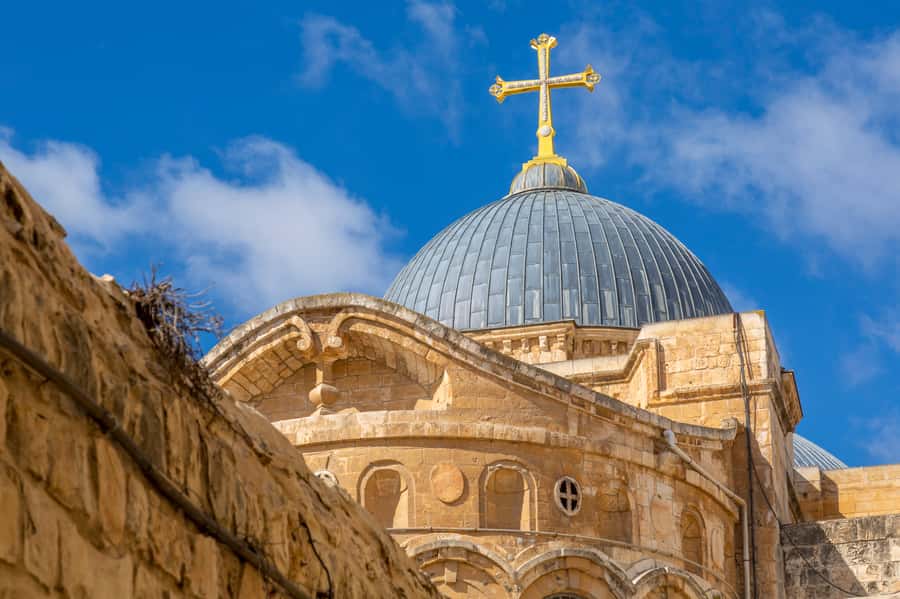
- Church of the Holy Sepulchre: nearly 1700 years of layered Christian tradition, with a guide to help you orient
- Guide quality can make or break it: past guests have praised guides like Hanoch, Oded, and Inbar for clarity and responsiveness
Why this 7:45 AM Old City route feels practical
Start time matters in Jerusalem. A 07:45 AM departure from outside the David Citadel Hotel means you get going while your legs are still fresh and the city is not yet in full daytime swirl. The tour is short too, around 3 hours, which makes it ideal if you want the headline sites without turning your whole day into a walking marathon.
You’re also choosing a route designed for orientation. The Old City can feel like a maze, even if you study maps. A guide helps you move efficiently from major anchor points, so you spend less time guessing and more time actually seeing. And because the tour is in English, you won’t have to translate your way through the details.
Keep one thing in mind: you’re not just strolling. This is a morning walk with stairs and uneven surfaces. If you have limited mobility, the operator says you should get in touch to discuss an alternate option.
More City Tours in Jerusalem
- Jerusalem: Guided Walking Tour of the Old City
★ 4.7 · 386 reviews - Full Day City Tour of Jerusalem
★ 4.1 · 367 reviews - From Jerusalem Small group tour Old&New City ENTRY FEES INCL
★ 4.0 · 135 reviews
From David Citadel to Jaffa Gate: getting oriented fast
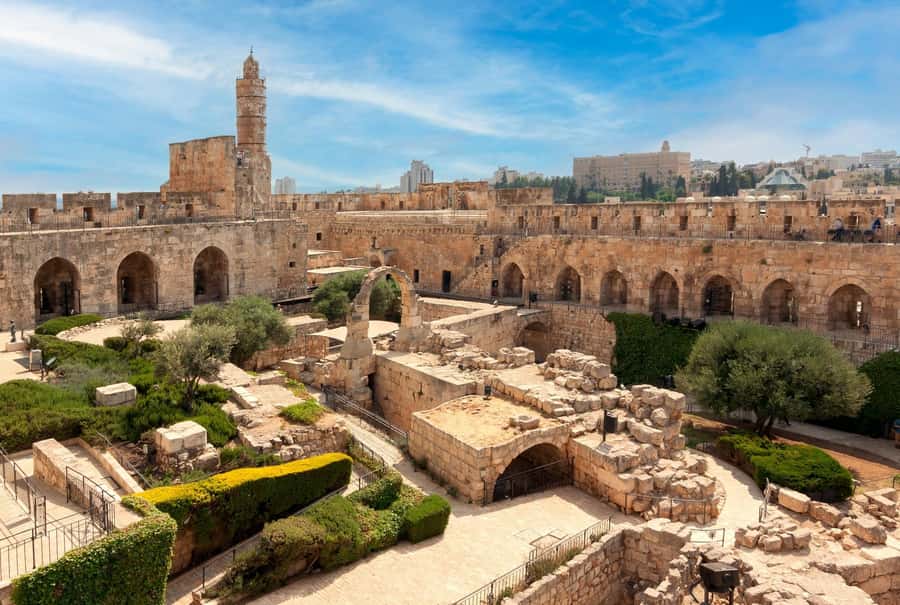
The tour begins outside the David Citadel Hotel, then heads into the Old City through Jaffa Gate. This is a smart choice because Jaffa Gate is one of the natural entry points into the Old City core. You step into a corridor where history sits so close to street level that you feel it in your knees when you climb a step or turn a corner.
I like the way this start sets the tone. In a place like Jerusalem, a good first 10 minutes is really about mental setup. Your guide can point out what you should notice, where you’ll be heading next, and how the four quarters connect. That matters because the Old City is not one neighborhood. It’s several communities side by side, with different traditions and daily rhythms.
If you’re the type who likes to ask questions, this start is your moment. Early in the tour, people are still focused and your guide can tailor answers on the fly.
The four quarters in one walk: Jewish, Christian, Armenian, Muslim
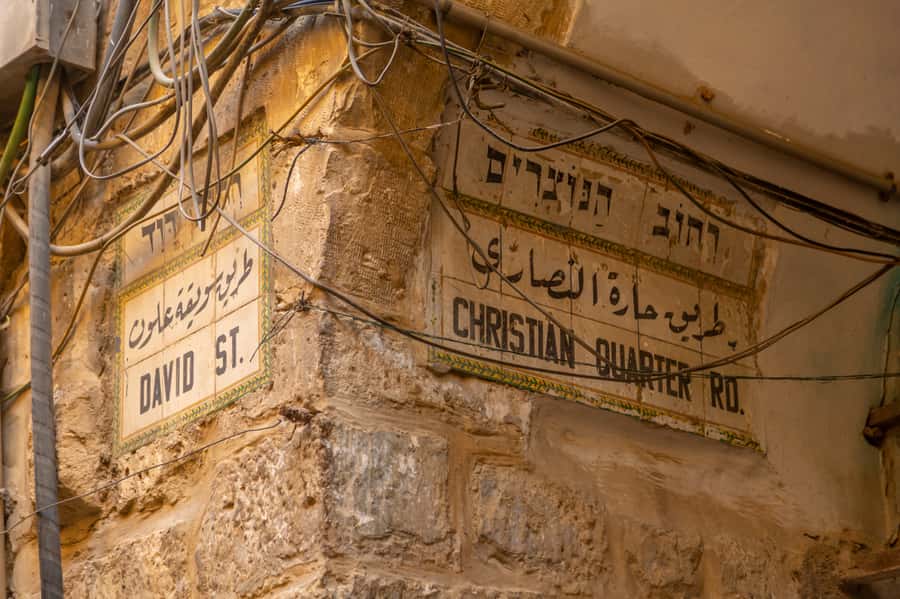
One of the best parts is that you actually cover all four historic quarters in a single morning loop. That’s not a small promise. It’s the difference between seeing landmarks and understanding how the Old City is organized.
Here’s what this means for you on the ground:
Jewish Quarter: a major spine of identity
You’ll pass through the Jewish Quarter and connect the symbolism to the next stop. You’ll also end up at the Western Wall, but the tour does the right thing by preparing you first. When you understand that this area is tied to daily life and long-standing traditions, the Western Wall stop lands with more weight.
A few more Jerusalem days worth comparing
- From Jerusalem: Masada at Sunrise, Ein Gedi & Dead Sea Tour
★ 4.6 · 245 reviews - Dead Sea, Masada at Sunrise and Ein Gedi Tour from Jerusalem
★ 4.5 · 98 reviews - Masada Sunrise Ein Gedi and Dead Sea Tour from Jerusalem
★ 4.0 · 69 reviews - From Jerusalem: Masada Sunrise, Ein Gedi & Dead Sea Day Trip
★ 3.9 · 67 reviews
Christian Quarter: where sites overlap and meanings stack
When you move toward the Christian Quarter, you’re walking into a section of the Old City where pilgrims are common and the architecture tends to carry religious significance in a very direct way. Even if you’re not religious, you can still appreciate the practical reality: the streets and buildings here exist to serve generations of visitors and worshippers.
Armenian Quarter: smaller in feel, specific in character
The Armenian Quarter gives variety. Even within the Old City, the feel changes. Your guide will help you notice how traditions show up in everyday details, not just in plaques and guidebook captions. It’s a good reminder that Jerusalem’s history is not a single story.
Muslim Quarter: the Old City as living city
The Muslim Quarter is essential, because it keeps the Old City from becoming a museum. This part of the walk helps you see Jerusalem as a functioning urban space, not only a set of holy stops. Your guide’s job here is to connect what you see with the traditions and stories that shape the area.
A guide can make this section work beautifully. If you get a thoughtful leader, you’ll feel like you’re walking through context, not just taking photos.
Western Wall stop: a pause that lets your visit become yours
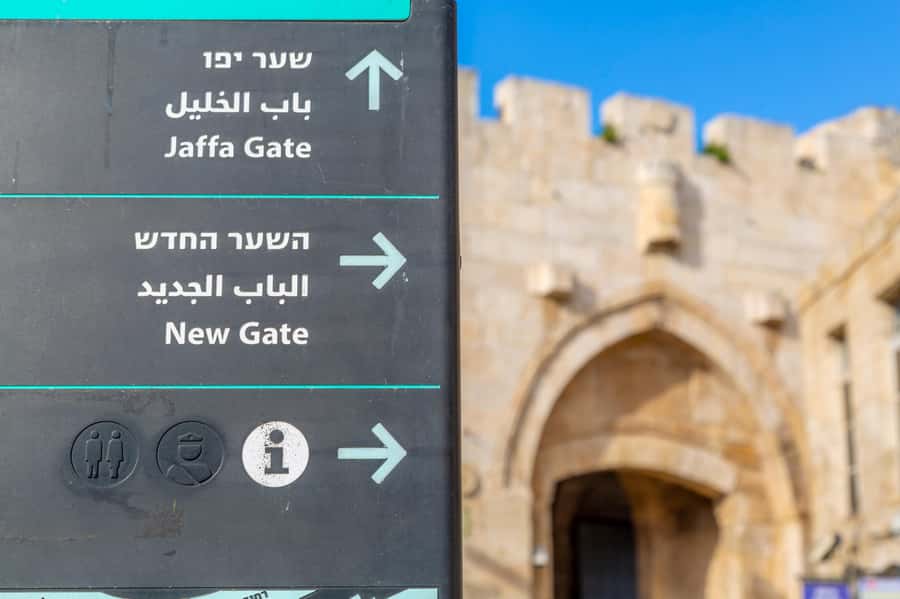
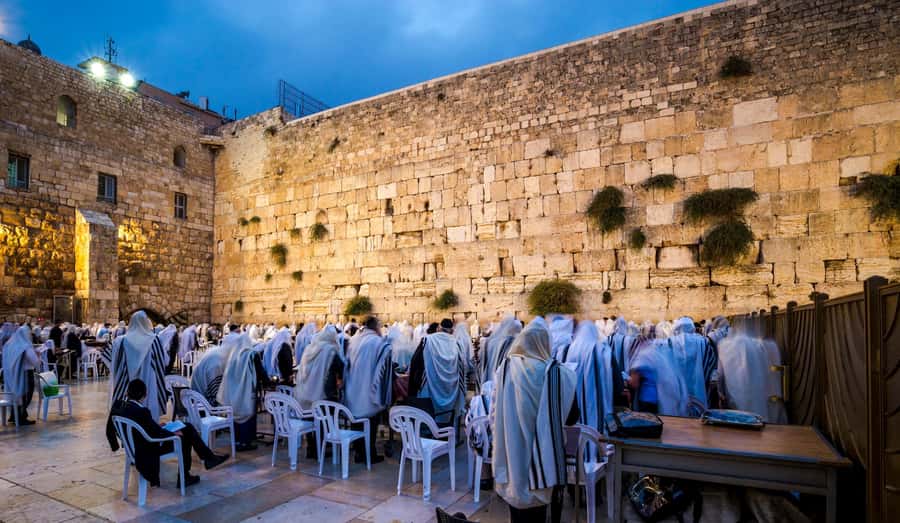
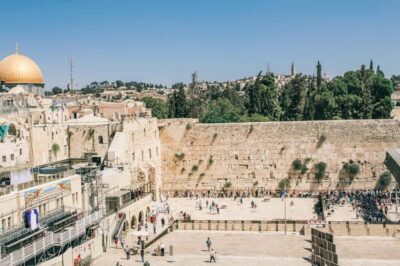
The Western Wall stop is one full hour of guided time. That’s important. Many tours rush this kind of place, but here you get enough time to absorb what’s happening around you and still have room for questions.
The Western Wall is notable for Jews who come from far and wide to pray there. Standing near the wall is one thing, but being there with a guide is another. You can learn what you’re seeing and why it matters, then choose how you want to experience it. Sit, watch, reflect, or simply take in the atmosphere in your own way.
Practical advice: keep your phone low and your attention high. In a sacred space, small behavior choices matter, even when you’re just passing through.
Also, the tour pace here is part of the value. If you’re the kind of person who needs a moment to breathe between major sites, this stop gives you that reset.
Via Dolorosa, part of the route: walking the story without the marathon
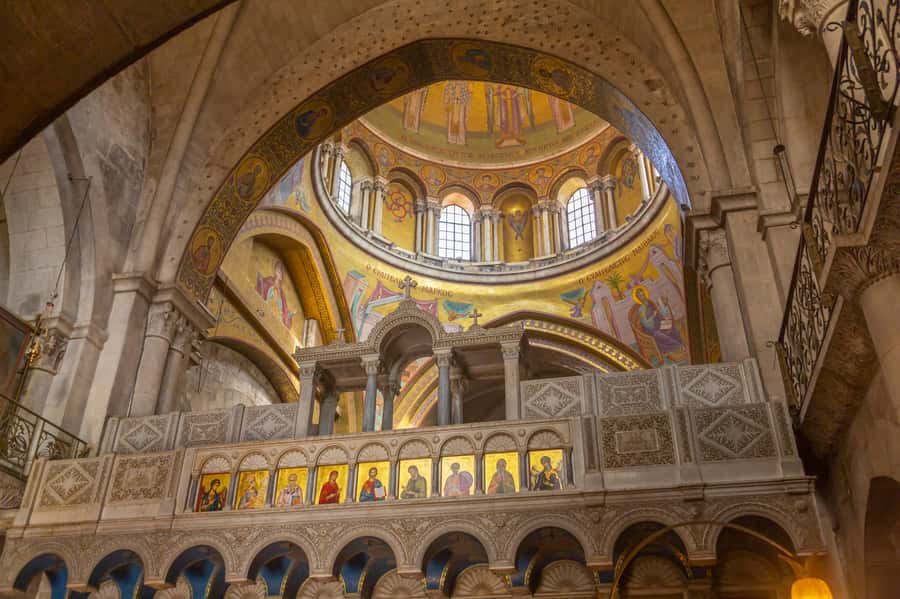
Next comes Via Dolorosa, where the tour includes a stroll along a portion of the path associated with Jesus’ walk. This is one of those famous lines you’ve probably heard many times, but walking a segment helps it click in a physical way.
Why this is valuable for you: the Old City streets are tight, and the distances feel different than on a map. Even a partial walk can give you a sense of how close everything is, and how a journey of meaning can take place block by block.
This stop also works as a transition. It bridges your visit from the Western Wall area toward the Christian holy sites, so you’re not jumping abruptly between themes.
Two quick cautions. First, the walk is still walking. Second, keep your schedule buffer in mind. One account noted timing problems on a different occasion, including a delayed start and an unexpectedly longer total duration. The guide may keep things on track, but the moral is the same: build in some slack for your morning plan.
Church of the Holy Sepulchre: nearly 1700 years of layered meaning
The Church of the Holy Sepulchre is the big finish, and it’s a powerful one. The tour describes it as dating back nearly 1700 years, and that age shows in how the place is organized around long-standing tradition.
This is where a guide’s skill matters most. Inside, you can easily feel like you’re seeing everything and understanding nothing at once. A good guide helps you find the meaningful landmarks within the complex layout, so you come away with a story, not just a photo set.
You’ll get a visit plus guided sightseeing time, with time to walk through key areas. If you’ve been to churches that feel straightforward, this one may feel more like a world inside a building. That’s not a bad thing. It’s part of why the site matters.
One practical note from the tour’s own guidance: the overall experience includes stairs and uneven ground. Even if the church interior is mostly flat, you should expect some steps on the way in, out, or between spaces.
If your legs are already tired, pace yourself. The point is to see and understand, not to race.
Price and value: what $39 buys you in real time
At $39 per person for about 3 hours, this tour is priced for travelers who want the highlights without paying for private guiding. The included item is a hand-picked expert tour guide, and the structure is built around high-impact stops: Jaffa Gate entry, Western Wall, Via Dolorosa section, and Church of the Holy Sepulchre.
Here’s how I’d frame the value for you:
- You’re paying for direction and context, which saves time and reduces confusion in the Old City.
- You’re getting coverage of all four quarters, not only the most famous sight.
- You’re getting guided time at the Western Wall and the Holy Sepulchre, where “where do I look?” becomes the main question.
What’s not included is also clear: meals and drinks, plus personal travel insurance. So you’ll want to plan your breakfast and water separately.
If you’re budgeting, this is also the kind of tour that can prevent expensive mistakes. For example, you’re unlikely to get stuck wandering the wrong direction for an hour, which can happen when you self-route. This tour gives you a built-in path.
Guide quality: the difference between smooth and stressful
A tour like this runs on people. The route is tight, the sites are meaningful, and the streets can be confusing. That’s why I pay attention to guide feedback, including the names that came up again and again.
Past guests praised guides like Hanoch, Oded, and Inbar for being clear, interesting, and responsive. Those are exactly the traits that matter here. In the Old City, clarity equals confidence. And responsiveness matters when you have questions or when a group needs a moment to regroup.
At the same time, I can’t ignore that one poor experience is part of the picture too. There has been an account of disorganization, including a late start and a situation where the guide did not seem to track the full group, leaving some people behind and continuing with fewer participants. I’m not predicting that will happen to you, but I am saying this: you should stay alert during regroup moments.
Your best move is simple. Arrive a bit early at the David Citadel Hotel meeting point. Keep an eye on the group and listen for clear instructions on when and where to wait. If the group separates briefly, note the agreed regroup location.
Modest dress and shoes: the rules that actually affect your comfort
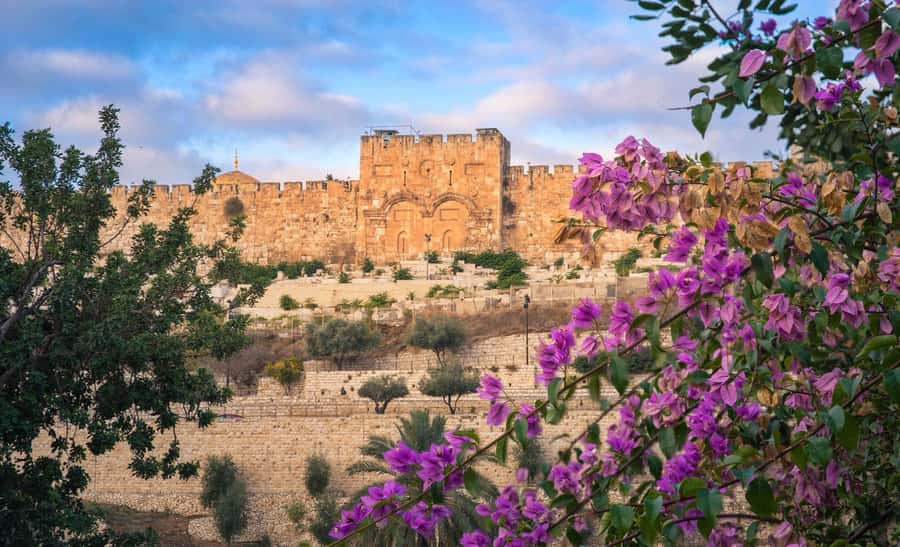
The tour states modest dress is obligatory for visits to the Old City’s holy sites. That means clothing that covers knees and shoulders. If you show up in shorts and a tank top, you might lose time at the worst possible moment.
Also bring comfortable shoes. This is a few hours of walking with stairs and uneven ground. Your feet will notice the difference between shoes that are comfortable on a city sidewalk and shoes that are comfortable on stone steps.
If you’re traveling in warm weather, wear breathable layers that still meet the modest dress requirement. Plan for sun, and keep water with you, since meals and drinks are not included.
Who should book this morning tour, and who might want a different plan
This tour is a strong fit if you:
- Want a tight, morning-friendly way to see major Old City sites
- Like the idea of covering all four quarters with a guide
- Prefer structured guidance at the Western Wall and the Church of the Holy Sepulchre
- Are comfortable with walking and some stairs
It may be less ideal if you:
- Need minimal walking time (the tour includes several hours on uneven ground)
- Have limited mobility and cannot be accommodated with an alternate touring option
- Hate the idea of moving quickly between crowded, sacred spaces
Also consider your schedule. One negative account mentioned timing issues, so if you have a strict next appointment, give yourself buffer time after the tour ends at Jaffa Gate.
Should you book the Jerusalem Old City Morning Tour?
My take: book it if you want a guided, high-value “greatest hits” Old City experience in a short window. At $39 for 3 hours with an English-speaking, hand-picked guide, you’re getting a lot of ground covered, especially the four quarters plus the big two stops at the Western Wall and the Church of the Holy Sepulchre.
Skip it or swap plans if mobility is a concern, or if you need a very relaxed pace. In that case, it’s better to plan an option with more flexibility.
If you do book, show up early at the David Citadel Hotel, wear modest clothing that you feel good in, and wear shoes built for stone steps. Then you’ll get the best part of Jerusalem’s Old City, the part where history is not just seen, it’s walked.
FAQ
What time does the Jerusalem Old City Morning Tour start?
It starts at 07:45 AM from outside the David Citadel Hotel.
How long is the tour?
The tour duration is about 3 hours.
Where does the tour start and where does it end?
The tour starts outside David Citadel Hotel and finishes at Jaffa Gate.
What are the main sights included?
You’ll visit Jaffa Gate, the Western Wall, a portion of Via Dolorosa, and the Church of the Holy Sepulchre, plus you’ll see all four historic quarters.
Is the tour available in English?
Yes, the live tour guide speaks English.
What should I wear and bring?
Wear modest clothing that covers knees and shoulders, and bring comfortable shoes because there are several hours of walking, with stairs and uneven ground.
Are meals included in the price?
No. Meals and drinks are not included.
What is included and what is not included besides meals?
Included is a hand-picked expert tour guide. Not included are meals and drinks, and personal travel insurance.
Is there free cancellation?
Yes, you can cancel up to 24 hours in advance for a full refund.
Recently reviewed around Jerusalem
- Walking tour of the Old City of Jerusalem★ 4.3 · 4 reviews
- West Bank Tour from Jerusalem★ 4.5 · 184 reviews
- jerusalem classic tour★ 5.0 · 3 reviews
- Private Tour: Old City of Jerusalem Christianity Tour★ 5.0 · 5 reviews
- Magical Walking Tour in Old City of Jerusalem★ 5.0 · 27 reviews
- Tour of Jerusalem & Dead sea private tour★ 5.0 · 4 reviews
- Private Tour Jerusalem Old City★ 5.0 · 118 reviews
- Private Day Tour of Jerusalem★ 5.0 · 6 reviews
City Tours, compared.


From Jerusalem Small group tour Old&New City ENTRY FEES INCL
Read our review →
Best seller! Jerusalem old city four quarters tour
Read our review →

City of David and Underground Jerusalem Day Tour
Read our review →Browse the lists this tour appears in