
Reviewed · WALKING TOURS
Jerusalem: Old City Shabbat Experience and Walking Tour
This Old City walk works because it shows Jerusalem in a specific time window: the hours before Shabbat when people slow down, shops and streets shift, and the holy sites feel connected to real daily life. Two things I really like here are the focus on Shabbat preparation atmosphere and the lineup of major Jewish landmarks, including the Western Wall and Hurva Synagogue.
One consideration: the pacing can be tight around the start, and at least one past participant felt the guide began explaining before everyone fully arrived. Your move is simple, show up a few minutes early at the meeting bench so you do not miss the first context.
You start at Jaffa Gate and end back there, with about 150 minutes of guided walking through the Old City’s Jewish Quarter area. There is also a clear dress expectation, no shorts and no sleeveless shirts, plus you should plan for sun and gaps between stops with water and a scarf.
Key things that make this Shabbat-leaning Old City walk worth it
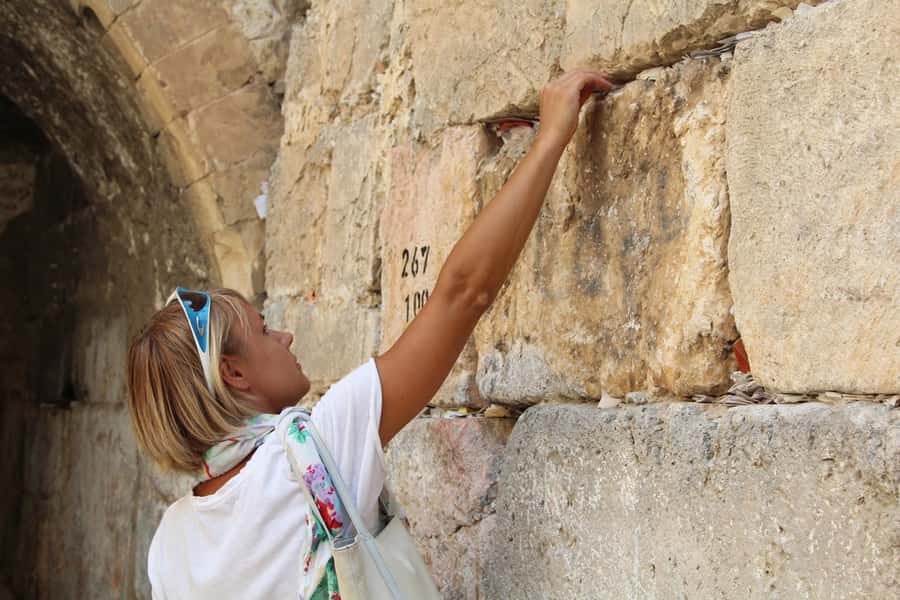
- Jaffa Gate start to finish means you can keep exploring after the tour ends without hunting for a new pickup point
- Tower of David stop adds perspective, not just holy-site sightseeing
- Hurva Synagogue history and rebuilding gives you a story you can see in the architecture
- Western Wall timing at sunset makes the site feel tied to the moment, not just to textbooks
- A small Shabbat taste may be part of the experience, including grape juice and challah in at least some departures
Before Shabbat, Jerusalem feels like it is holding its breath
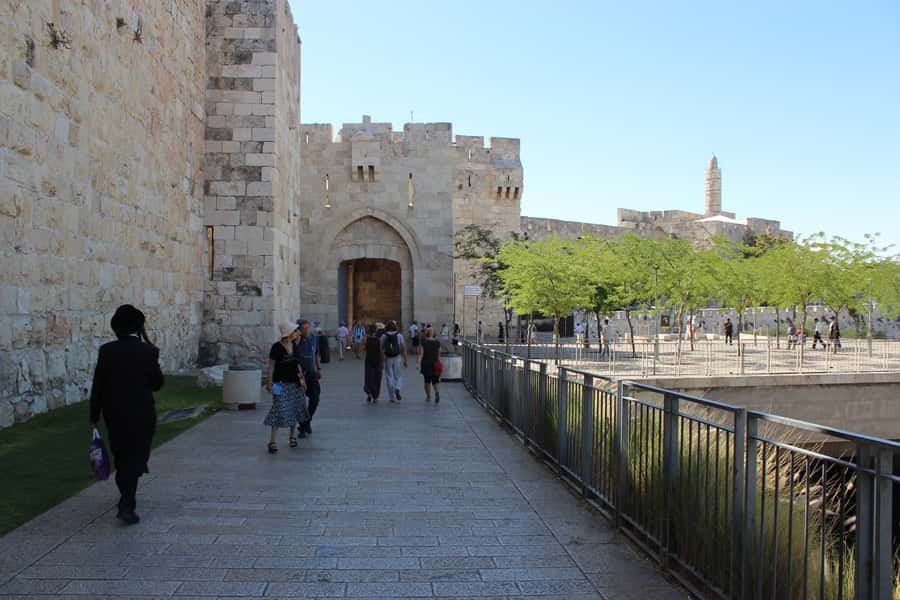
Jerusalem’s Old City is always photogenic. But the real difference with this kind of Shabbat-focused walk is that you are there when the city is preparing, not just when it is performing. You get to see how streets, rhythms, and conversations shift as the day of rest approaches.
This matters because the sites you visit make much more sense when you understand the mood around them. The Western Wall is sacred year-round, but pre-Shabbat hours put it in a larger frame, a community gearing up for a different tempo. The same is true for the Jewish Quarter: you are not only looking at landmarks, you are seeing the neighborhood’s mindset close to the start of Shabbat.
I also appreciate that the tour does not try to oversell one note. It mixes meaning (what the sites represent) with practical observation (what you can notice in the streets and market area before things slow down).
More City Tours in Jerusalem
- Jerusalem: Guided Walking Tour of the Old City
★ 4.7 · 386 reviews - Full Day City Tour of Jerusalem
★ 4.1 · 367 reviews - From Jerusalem Small group tour Old&New City ENTRY FEES INCL
★ 4.0 · 135 reviews
Meeting at Jaffa Gate and what to do in the first five minutes
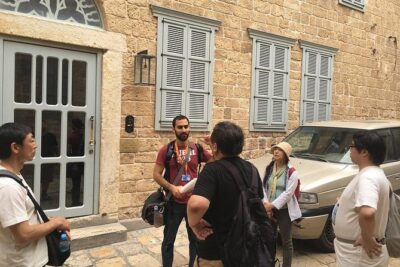
The meeting point is straightforward: go to the stone bench just outside Jaffa Gate, then look for the guide in a green shirt with Guide written in yellow on the backside. That matters because the Old City has plenty of entrances and plenty of people, and you want a clean start.
If you want the best experience, arrive early. One review flagged that the guide may talk before everyone is at the exact spot, and that is avoidable on your end. Early arrival helps you settle, get oriented, and catch the opening explanation without that awkward scramble.
Language is also a plus. The guide is live and the tour is in English, which makes it easier to ask questions when you are standing in front of the actual stone, arches, and passages instead of processing everything later from a phone screen.
Tower of David: history with a modern lens near the Old City’s main entrance
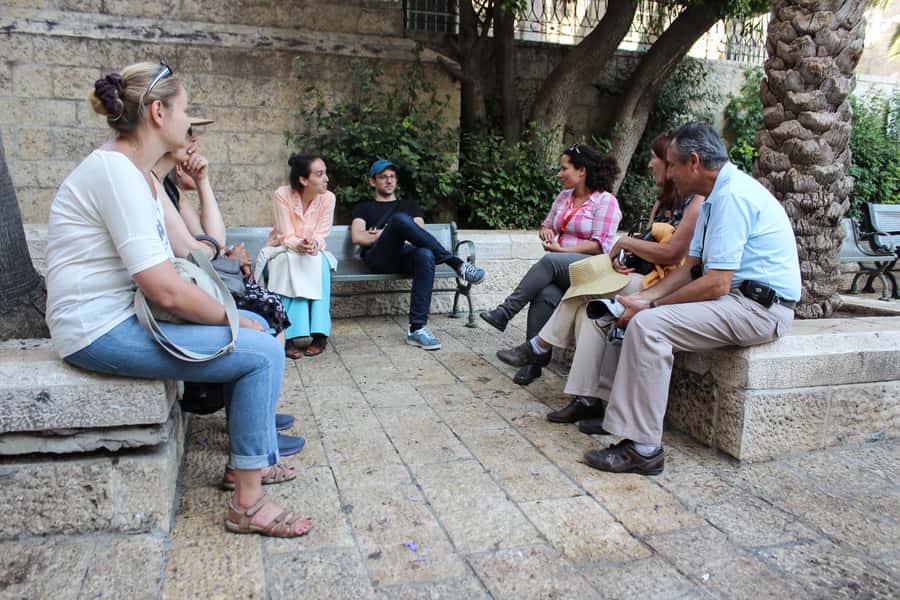
After starting at Jaffa Gate, the tour heads toward the area around the Tower of David. This fortress is a strong geographic anchor, because it is one of the clearest markers for understanding where you are in Jerusalem’s layered story. The good part is that you are not only told what it is, you are pointed toward how to read it.
Why this stop helps: it gives you context before you move into the narrower lanes. Once you have a sense of the fortress and the idea of defense and rule over the centuries, the Old City stops feeling like disconnected snapshots. It starts feeling like a place built in layers, with each period leaving structure behind.
Even if you have seen photos of the Tower before, it is worth paying attention in person. The angles, the scale, and the way it sits relative to the gate area help you understand why the Old City’s layout matters. It also sets you up for the next phase, moving into the Jewish Quarter area and seeing daily life in motion as Shabbat approaches.
The Jewish Quarter before Shabbat: what you will notice beyond monuments
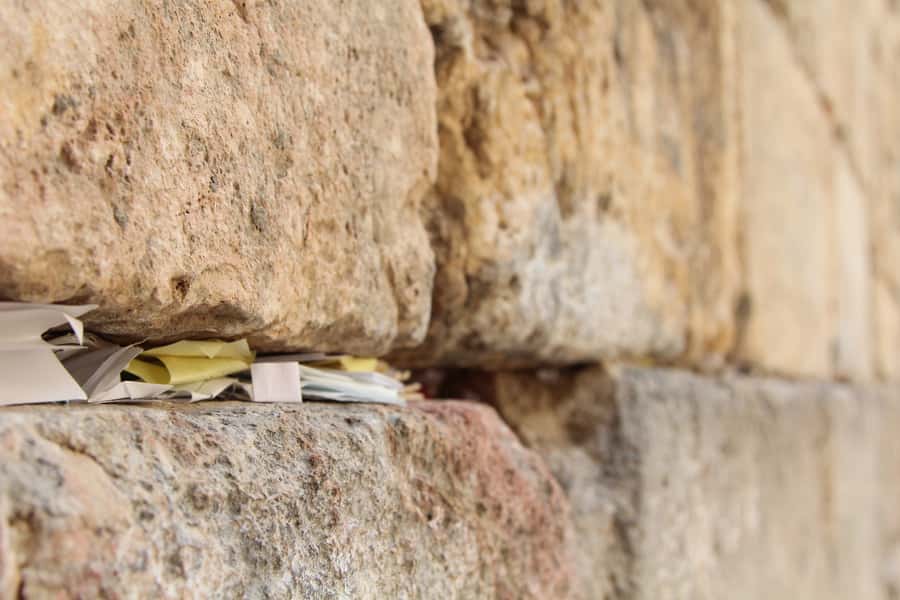
Next comes the Jewish Quarter area, and this is where the tour earns its Shabbat focus. You are not touring in a vacuum. You are walking through streets that feel like they are changing gears, and you get a chance to connect what you see to why this area is central for Jewish life.
The value here is practical. You learn cultural significance in a way that matches the environment you are in. Instead of just hearing definitions, you can connect them to the realities around you: market rhythm, preparation behaviors, and the way people move through the Old City close to Shabbat.
The tour route also includes time for you to notice the flow of the neighborhood. That matters because the Old City can feel confusing if you treat it like a checklist. This walk encourages you to watch the pattern of movement and then tie it back to meaning.
One small drawback to keep in mind: with an Old City route, you should expect narrow passages and stops that may come with small waits. It is not a tour that lets you drift. If you prefer to wander freely the whole time, you may find the structure a bit firm, but the tradeoff is that you get interpretation at each stop instead of hoping you will figure everything out on your own.
More Walking Tours in Jerusalem
- All Inclusive Walking Tour Old City Jerusalem
★ 5.0 · 83 reviews - Jerusalem Walking Tour: In the Footsteps of Jesus
★ 4.5 · 67 reviews - Boutique Walking Tour of Jerusalem
★ 5.0 · 64 reviews - Old City of Jerusalem Guided Walking Tour
★ 5.0 · 47 reviews
Hurva Synagogue: why a rebuilt synagogue is more than a pretty facade
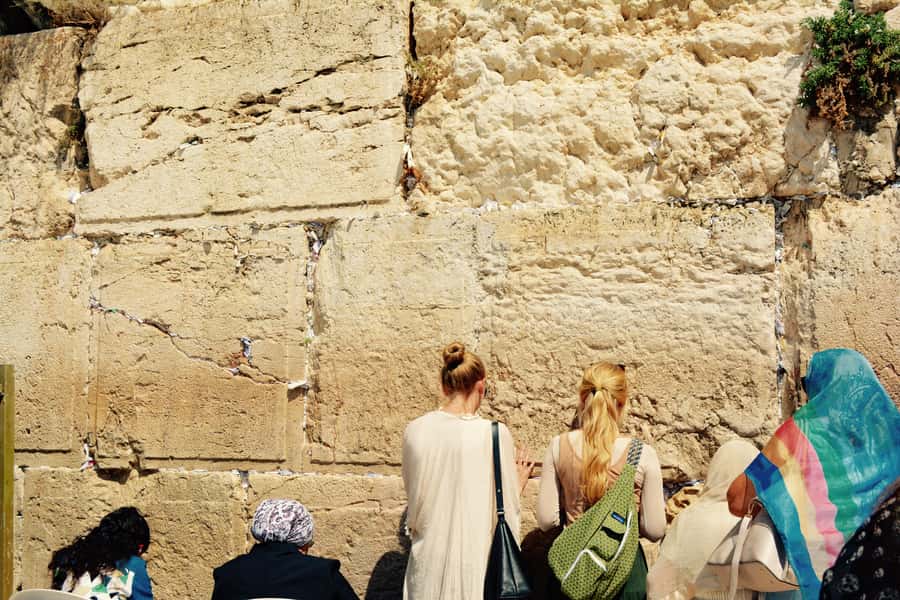
Then you head toward the Hurva Synagogue, described here as a historic synagogue that has been rebuilt multiple times over the centuries. This is the kind of stop that rewards attention, because rebuilt places carry memory. You are not only looking at stone and design, you are learning about resilience and continuity in the Jewish community tied to that location.
The architecture is the obvious draw, but the learning is the point. Knowing that it was rebuilt multiple times helps you look at the building differently. Instead of seeing one moment in time, you start seeing interruptions, returns, and the community’s drive to restore sacred spaces.
If you like religious architecture, this stop is a highlight for your visual imagination too. The tour guide will help you identify what is significant in the design and why the synagogue matters as a symbol, not only as a building. Even if you have limited interest in religious sites, the story of repeated rebuilding often lands well because it connects the physical space to human behavior and historical change.
Western Wall at sunset: sacred meaning plus the feel of the moment
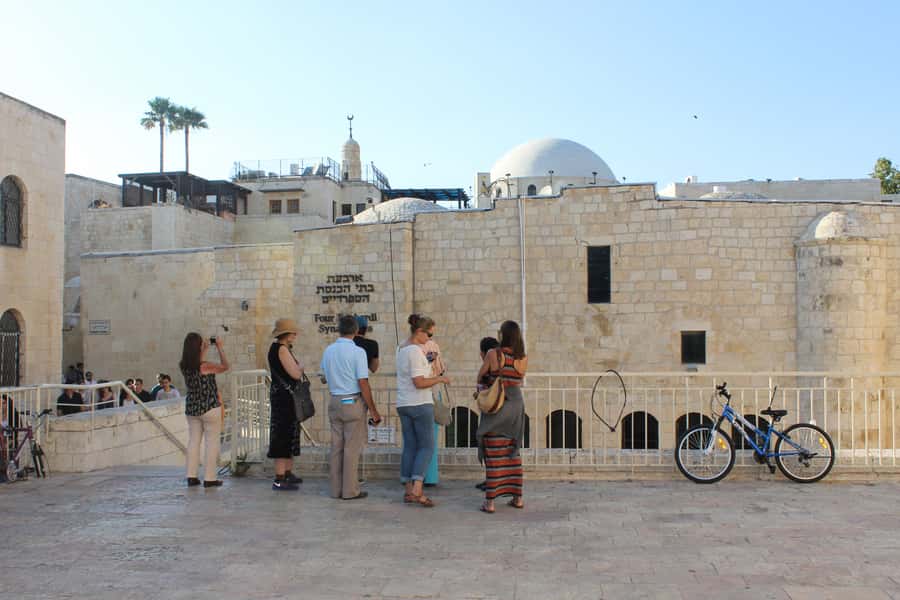
As the sun prepares to set, you arrive near the Western Wall, one of the most sacred sites in Judaism. Timing matters here. Pre-sunset light changes the feel of the stones and the flow of people. It also helps you understand why this is not just a tourist photo stop.
This stop is valuable because you learn significance throughout history, not just the modern understanding. When a guide explains the layered meaning, you end up reading the space instead of just observing it.
Also, if you care about respectful visiting, this part is where the tour becomes most practical. Even though the tour is a guided walk, the Western Wall area is still a place with strong religious purpose. You will want to follow the guide’s cues, keep your voice controlled, and dress within the expectations. It is one of those places where you do not need rules hammered into you, you just need awareness.
In some departures, the tour includes a small Shabbat-related taste. At least one past participant specifically noted a bit of Shabbat grape juice and challah. Since food and drinks are not listed as included on the basic description, I would treat this as a possible bonus rather than a guarantee, and if this matters to you, you can ask ahead of time.
Market lanes at the finish: a last look before Shabbat changes the streets
After the Western Wall, the tour loops back through the market streets of the Jewish Quarter area and returns you toward Jaffa Gate. This part is a nice wrap because it is both sensory and interpretive.
You can watch how the community gears up. Even if you already know the big religious concepts, seeing preparation in real streets makes the ideas land. This is also where you can do light shopping or browsing if you have the energy, but keep your attention on the guide’s timing so you do not fall behind.
One realistic tip: by this point, your feet will be tired. The Old City is not designed for long, flat walks, so pace yourself. Sip water when you can, and do not let sun catch you off-guard if you are visiting on a hot day.
When you finish back at Jaffa Gate, you have an easy base for your next move. You can continue exploring on your own, grab a meal elsewhere, or head back toward your hotel without worrying about a separate pickup location.
Price and value: is $47 for 150 minutes fair?
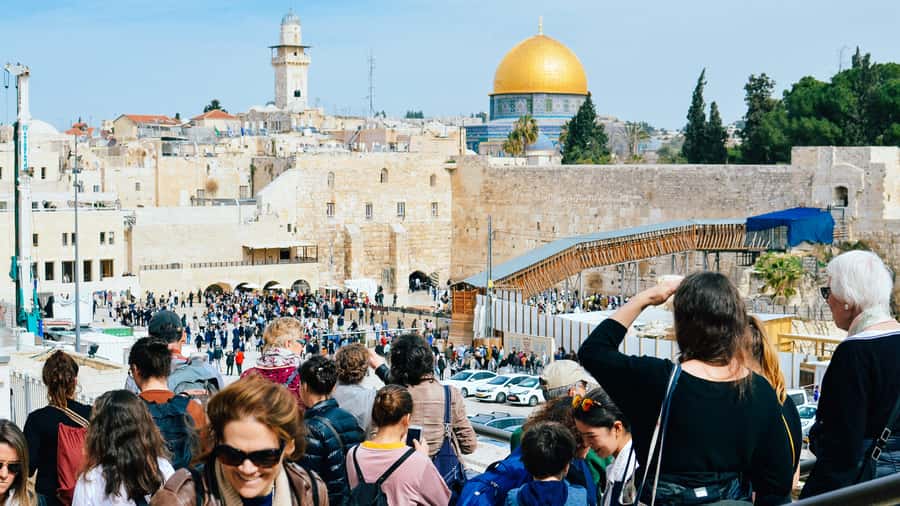
At $47 per person for about 150 minutes, this tour can be solid value if you want guided context more than you want independent roaming. You are paying for a guide who connects multiple stops into one story, from the gate and fortress context to major religious sites.
The best value is for people who feel overwhelmed by Jerusalem’s layers. The Old City can be dense. A guide helps you focus, understand why places matter, and connect the sites to Shabbat preparation rather than treating them as separate attractions.
If you already have strong background knowledge and you prefer to wander freely at your own pace, you might feel the structure is less necessary. In that case, an independent visit to the same landmarks might work for you. But for most first-timers or mid-timers who want the meaning spelled out clearly, this price range is reasonable.
Dress code, items to bring, and how not to ruin your photos
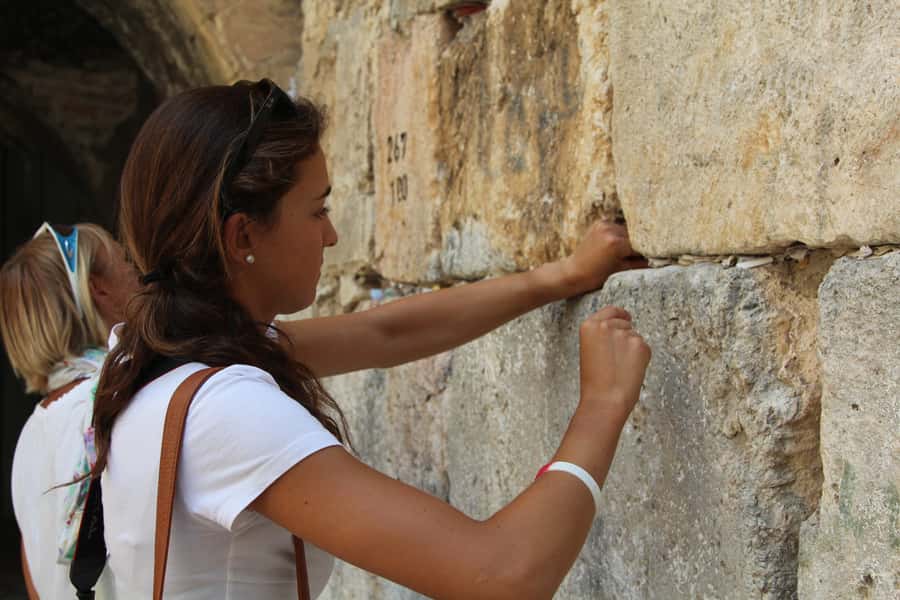
The tour has a clear clothing expectation: no shorts and no sleeveless shirts. Plan to wear light layers if it is hot, scarf-style coverage you can adjust, and shoes you trust on uneven stones.
What to bring is also straightforward:
- sun hat
- water
- scarf
- passport, or a copy
That passport detail matters because the Old City and security areas can involve documentation checks. A copy accepted is helpful, but bring it with you so you are not hunting for alternatives later.
From a practical standpoint, the scarf is useful beyond compliance. It can help with sun glare and wind, and it gives you one less thing to worry about while you concentrate on the stops.
Guide style in English, and why names matter
This walk is led by a live English guide. One of the strongest themes in the feedback is that guides explain a lot and keep things engaging. Specific guide names came up in positive ways, including Liran and Orna, both praised for being informative and engaged.
That said, remember the earlier point about pacing at the start. If you want the smoothest experience, arrive early so you get the first explanations without waiting for the group to fully settle.
Who this tour suits best (and who might skip it)
This experience is a great fit if you want:
- a Shabbat-oriented look at the Old City
- guided interpretation at major sites like the Western Wall and Hurva Synagogue
- a structured walk that helps you understand what you are seeing
It may not fit as well if you:
- hate guided timing and prefer to drift
- want a long food experience, since food and drinks are not listed as included
- expect an ultra-relaxed pace, because it is built around moving between key stops in about 150 minutes
Should you book this Jerusalem Old City Shabbat walking tour?
If your goal is meaning plus atmosphere, I would book it. The route is a smart mix: start at Jaffa Gate, get context near Tower of David, learn at Hurva Synagogue, then end at the Western Wall and market area as the day shifts toward Shabbat.
Book with extra confidence if you like clear explanations and you want to feel oriented inside the Old City rather than guessing. If you can handle a tight start and you dress appropriately, this is exactly the kind of short, focused walk that helps Jerusalem click.
FAQ
How long is the Old City Shabbat walking tour?
The tour lasts 150 minutes.
Where do I meet the guide?
Meet at the stone bench just outside Jaffa Gate. Look for the tour guide wearing a green shirt with Guide written in yellow on the backside.
Is the tour in English?
Yes, there is a live tour guide in English.
Is food included?
Food and drinks are not listed as included. Some departures include a small Shabbat taste such as grape juice and challah, based on feedback.
What sites will I see during the walk?
You will pass by or visit key areas including the Tower of David, Hurva Synagogue, and the Western Wall, plus market streets in the Jewish Quarter.
What should I wear in Jerusalem’s Old City?
No shorts and no sleeveless shirts are allowed.
What should I bring?
Bring a sun hat, water, and a scarf. A passport is requested, and a copy is accepted.
Is it possible to cancel for a refund?
Yes, free cancellation is offered up to 24 hours in advance for a full refund.
Recently reviewed around Jerusalem
- Walking tour of the Old City of Jerusalem★ 4.3 · 4 reviews
- Private Tour: Old City of Jerusalem Christianity Tour★ 5.0 · 5 reviews
- Magical Walking Tour in Old City of Jerusalem★ 5.0 · 27 reviews
- Tour of Jerusalem & Dead sea private tour★ 5.0 · 4 reviews
- West Bank Tour from Jerusalem★ 4.5 · 184 reviews
- jerusalem classic tour★ 5.0 · 3 reviews
- Tour of Masada-Dead Sea and Qumran from Jerusalem★ 3.5 · 11 reviews
- Full Day Private Christian Tour in Jerusalem with Tour Guide★ 5.0 · 28 reviews
Walking Tours, compared.



Jerusalem Walking Tour: In the Footsteps of Jesus
Read our review →


Browse the lists this tour appears in