
Reviewed · CITY TOURS
Jerusalem: 3 – Hour Old City Tour in French
This tour works because you do not just see landmarks. You walk through the Old City like it is a timeline, moving from walls and quarters into Bible stories and later religious layers. It is a compact route with enough structure to keep all the names and meanings from blending together.
What I like most is the way the guide connects big ideas to specific places. I especially love the Roman Cardo stop, with the story tied to Publius Aelius Hadrianus, because it gives you a clear picture of what this space used to be. Another standout is the ending at the Church of the Holy Sepulchre, where the Passion story feels linked to the path you physically walk.
One consideration: the route is on foot and in an area that can be crowded and uneven. Bring your stamina, and expect the tour to be best when you plan for walking in heat or occasional rain.
Key highlights you will actually care about
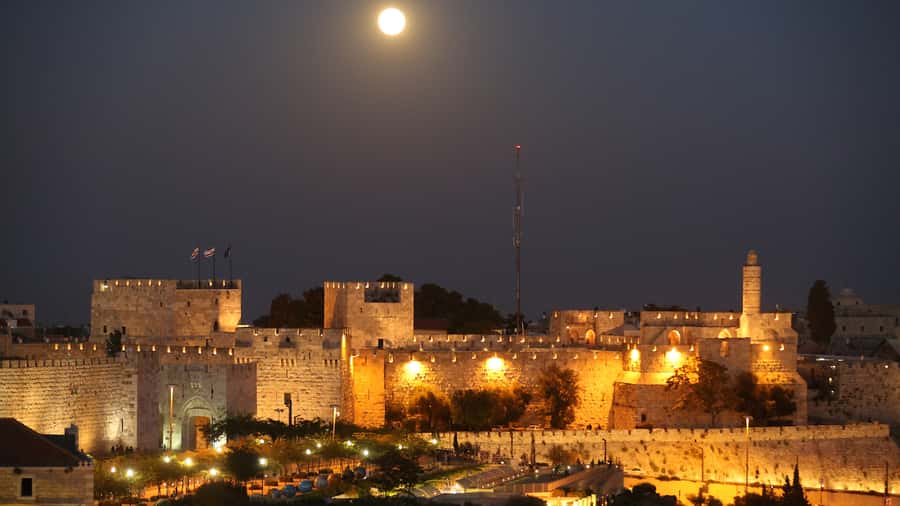
- A 3-hour route that starts at Jaffa Gate and finishes at the Church of the Holy Sepulchre
- Armenian Quarter and Jewish Quarter stops that keep the quarter-by-quarter logic clear
- Suleiman the Magnificent city walls to frame the whole Old City
- Roman Cardo storytelling, including Publius Aelius Hadrianus
- Bible-driven moments, including King Hezekiah and the prophet Isaiah
- A praised live guide approach from Florent Tour Guide Israel, with clear, careful explanations
Why this 3-hour Old City walk feels more understandable than a list of sights
Jerusalem’s Old City can feel like information overload. Every turn offers another holy site, another name, another claim. This tour helps you manage that by guiding you through four quarters and multiple eras in a way that is meant to connect dots, not just collect photos.
You start near Jaffa Gate, then move quarter by quarter, using the route to bring order. When you reach the Roman Cardo, it does not come out of nowhere. When you reach the Hezekiah and Isaiah story, you understand why you are standing where you are. That structure is the real value.
If you prefer a walking tour over museum time, this is a good match. It is also a solid choice if you want a private group format, since you can usually ask more questions and get explanations tailored to what you care about.
More City Tours in Jerusalem
- Jerusalem: Guided Walking Tour of the Old City
★ 4.7 · 386 reviews - Full Day City Tour of Jerusalem
★ 4.1 · 367 reviews - From Jerusalem Small group tour Old&New City ENTRY FEES INCL
★ 4.0 · 135 reviews
From Mamilla to Jaffa Gate, getting oriented in minutes
The tour meets at the Mamilla Shopping area entrance. That matters because Mamilla is an easy starting zone to locate before you head into the Old City. Once you are underway, you begin at Jaffa Gate, which is a practical entry point for walking into the core areas.
For me, the key benefit of starting here is orientation. Jaffa Gate is not just a gate. It is a gateway to understanding how the Old City is organized, including the sense of boundaries. You are not starting in the middle of a maze. You are beginning at a clear edge, so the rest of the route makes sense as you go.
You should also plan to wear shoes that handle uneven stone and to bring water. The tour is only 3 hours, but Old City walking adds up faster than people expect, especially if you stop for photos.
Suleiman the Magnificent walls: the fast way to understand the Old City’s boundaries
One of the first big “wow” moments is the chance to discover the city walls of Suleiman the Magnificent. Walls are not just scenery. They help you grasp how Jerusalem has been protected, divided, and organized over time.
When you see walls early in the walk, you start to read the rest of the Old City differently. You begin noticing where entrances likely led, how quarters feel more distinct, and why certain paths funnel people the way they do.
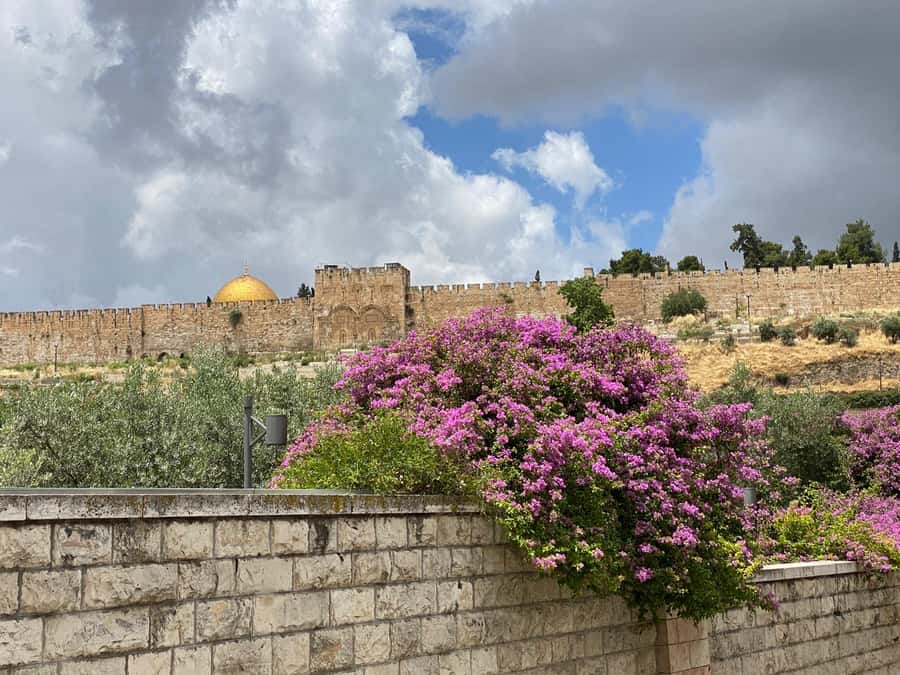
Also, walls make a great anchor stop if you are coming with mixed interests. Even if you are not focused on architecture, the walls give you a physical sense of scale and separation before the tour moves into more symbolic stops.
Armenian Quarter first: a calm starting chapter in a complex place
The itinerary begins with the Armenian Quarter. Starting there is smart, because it gives you a gentler entry into the Old City’s quarter-by-quarter structure. You can absorb the pace before the tour shifts into the most densely layered spiritual sites.
In a place where everything feels significant, the Armenian Quarter opening helps you settle in. You get a sense of how the quarters operate as neighborhoods, not just as “religion zones.” That makes the later stops feel less like random highlights and more like a coherent walk.
This is also where you will benefit most from a good guide. A strong guide will keep you from drowning in names and instead make you understand why each quarter matters to the story of Jerusalem.
A few more Jerusalem days worth comparing
- From Jerusalem: Masada & Dead Sea Full Day Tour with Pick Up
★ 4.5 · 815 reviews - Masada and the Dead Sea Day Trip from Jerusalem
★ 4.5 · 757 reviews - From Jerusalem: Nazareth and Sea of Galilee Tour
★ 4.5 · 588 reviews - Nazareth and the Sea of Galilee Day Trip from Jerusalem
★ 4.5 · 446 reviews
Jewish Quarter and Bible storytelling that links names to real spots
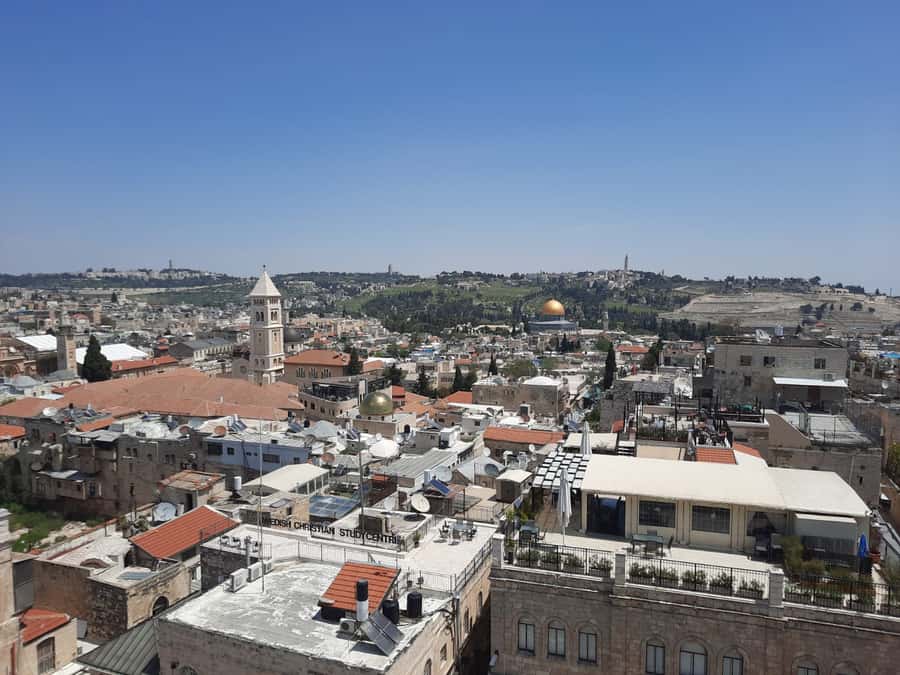
From the Armenian Quarter, the tour moves into the Jewish Quarter. This part is often where people start to feel the Old City’s meaning more sharply. It is not only about what you see. It is about what you learn to connect to what you see.
Then the tour follows the Bible storyline, including the story of King Hezekiah and the prophet Isaiah. The value here is not memorizing a religious narrative. The value is seeing how ancient figures and faith traditions relate to the geography of the city.
If you like context, this stop is a big reason the tour works. A guide can explain the ideas behind the story without turning it into a lecture. The goal is for you to leave with a mental map that connects the Bible to the streets.
The Roman Cardo with Publius Aelius Hadrianus: where Jerusalem’s layers click
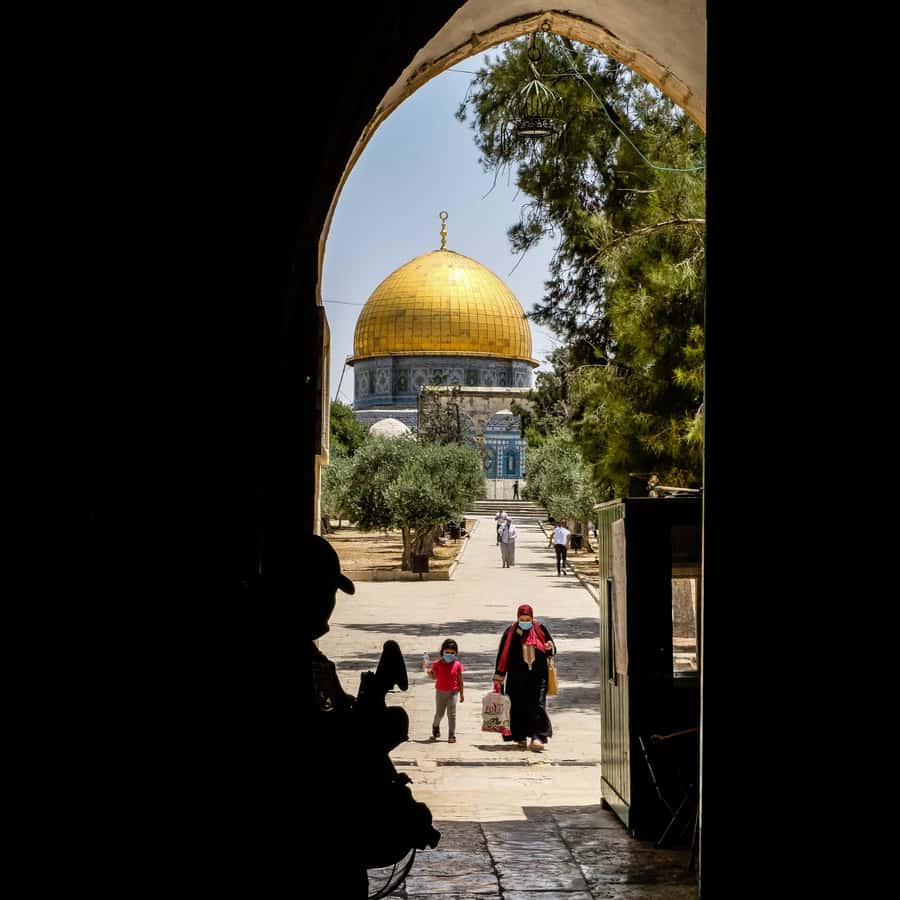
One of the most specific highlights is following the Roman Cardo and learning about Publius Aelius Hadrianus. This is the kind of stop that helps Jerusalem stop being only “religious geography” and become “historical geography.”
The Cardo is important because Roman urban planning was all about organizing movement. When you learn about the Cardo in this setting, you understand how power and city design show up in stone. It is less abstract than it sounds, because you are literally walking along a route that reflects how people once traveled through the city.
I like this part because it adds a different lens. You can be very religiously curious and still appreciate the Roman angle. It gives you another reason to look up, notice street alignment, and understand that different eras left physical clues.
Western Wall and the Islamic era: seeing continuity without forcing sameness
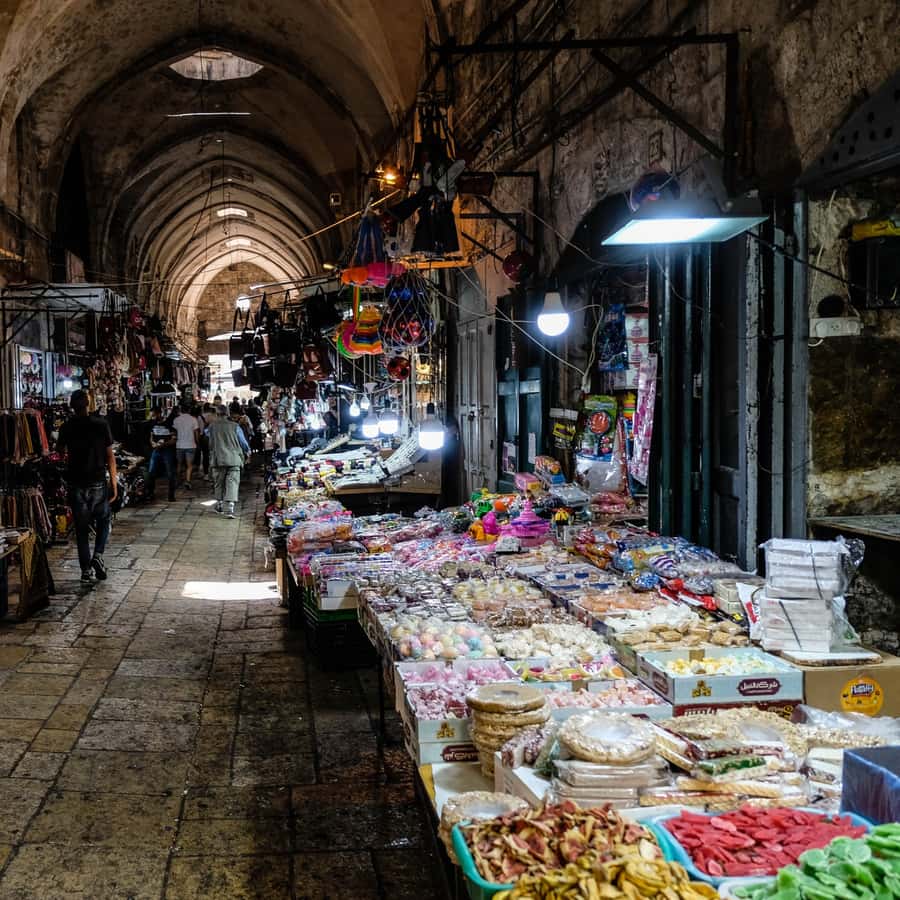
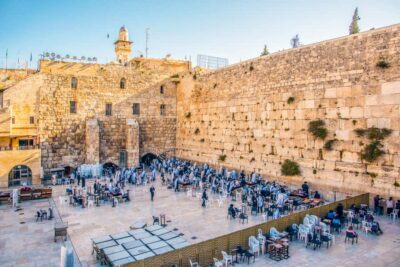
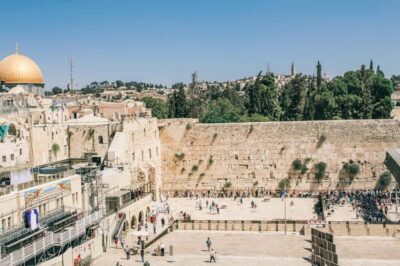
As the walk continues, you reach the Western Wall and then move into the Islamic era of Jerusalem. This sequence helps you understand Jerusalem as a living city with overlapping eras, not a museum timeline frozen in one theme.
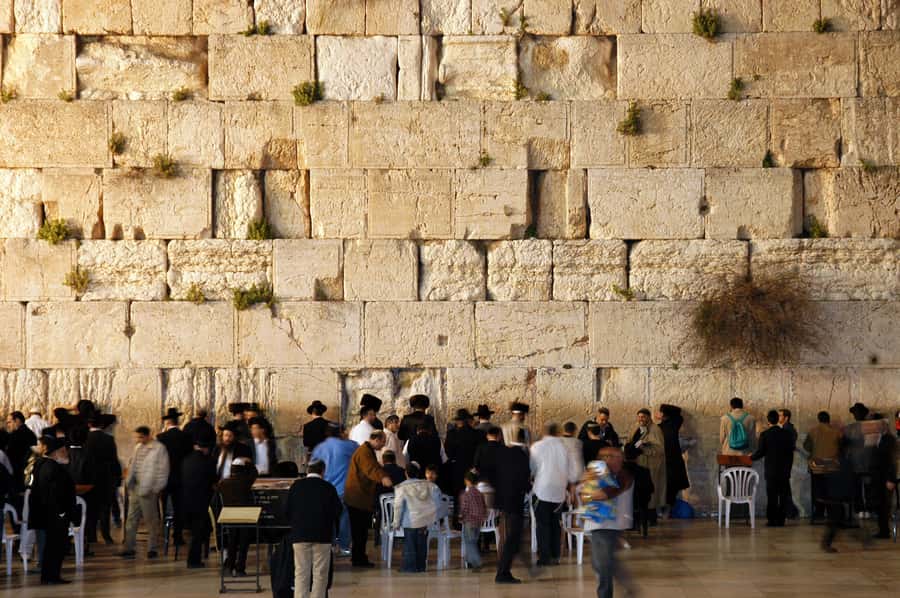
The Western Wall stop is emotionally powerful for many people, and a guided approach helps you stay grounded. The guide’s role is to connect what you are seeing to the broader story of the city and to explain the religious meaning in a way that is respectful and clear.
Then the tour shifts again into the Islamic era. This matters because Jerusalem is not only a sequence of temples and churches. It is also a place shaped by Islamic culture and history, and you get at least a first-pass introduction to that layer.
Even if you have strong personal beliefs, the practical takeaway is the same. You learn how to observe differences and continuity in the same space.
Ending at the Church of the Holy Sepulchre and the Passion story on your feet
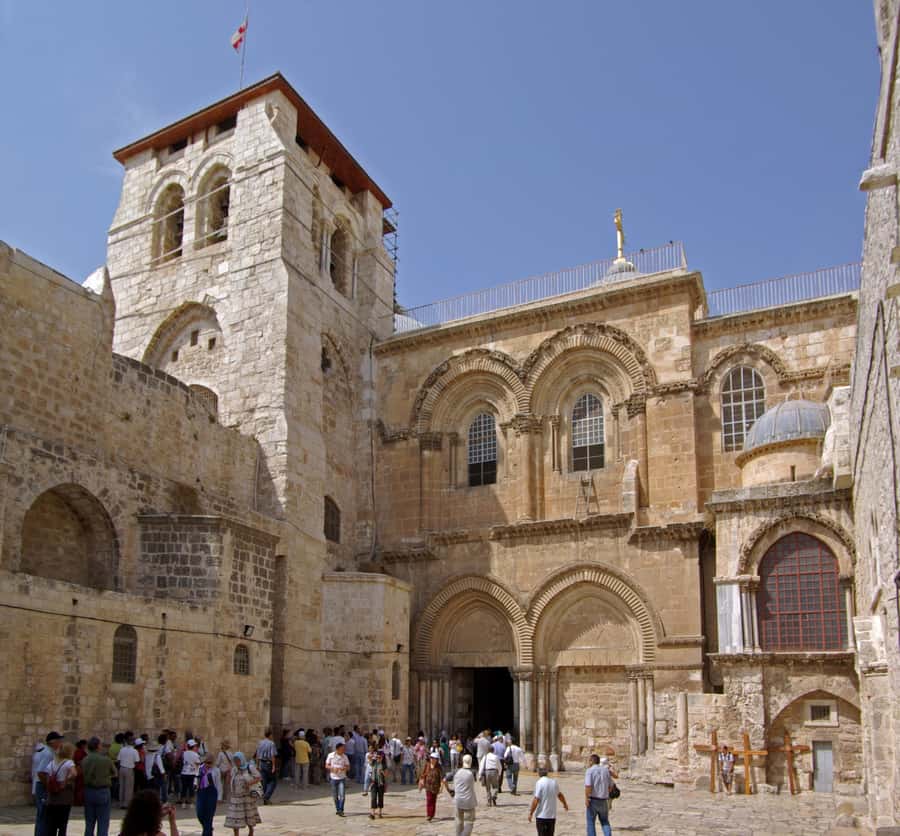
The tour ends at the Church of St Sepulcher, often referred to as the Church of the Holy Sepulchre. The guide brings you into the story of the Passion, using the physical path you take to help you understand the narrative sequence.
I find endings like this are where a good guide matters most. At the end of a 3-hour walk, people can feel rushed or overwhelmed. A careful guide helps you slow down mentally, so the site does not turn into just another stop on a photo list.
This is also a good finish point because it ties together what came earlier. You have already seen walls, quarters, and earlier eras. Ending at the Holy Sepulchre gives you a focused, meaningful closure.
If you are traveling with someone who needs a spiritual narrative, this ending tends to land well. If you are more history-focused, it still gives you context for why this place remains central to multiple faiths.
Price and what $82 gets you, in plain terms
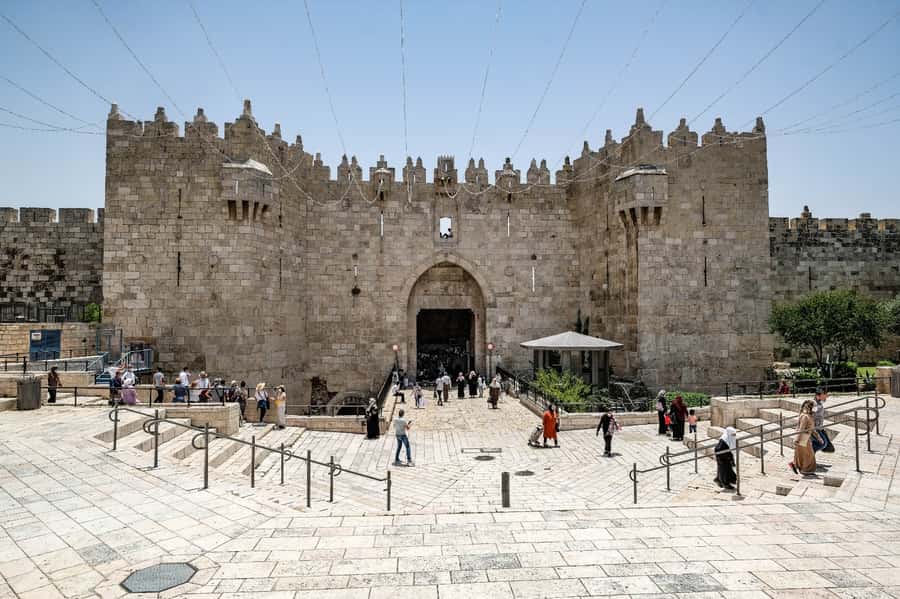
At $82 per person for a 3-hour walking tour with a live guide, you are paying for interpretation and pacing, not for transportation. The tour includes the tour guide, and it does not include park and museum entrance fees.
Here is how I think about the value. In the Old City, many key experiences are outside and do not require paid entrances. So most of the $82 is paying for someone to explain what you are looking at, translate ideas into a usable story, and keep you from getting lost in the meaning maze.
If you plan to add museum or park entries on your own, you may spend extra. If you want a guided walk that covers major religious and historical points without relying on extra admissions, this price can feel quite reasonable.
Private group format also nudges the value up, since it usually means more flexibility than big group tours. You should still expect a normal walking-tour pace, just with less crowd pressure.
What to do with the practical reality: wear, timing, and attention span
This tour is simple on paper: 3 hours, walking, guided stops. The practical reality is that the Old City demands more from your body than from your schedule.
Bring hats and water. Bring good walking shoes. These are not optional if you want to enjoy the story instead of suffering through it. Even in mild weather, you will likely stop often and look up often, which uses energy in a different way than straight sightseeing.
The tour is designed to be manageable at 3 hours. That is long enough to cover real themes, short enough to not drain you completely. It is also a smart choice if you have other plans later the same day and want to spend the rest of the time exploring on your own.
One more thing: the tour runs in French, English, and Italian. If you choose French, it is nice to have a guide who can explain names and religious concepts without turning them into confusing buzzwords. Florent Tour Guide Israel is consistently praised for clear, careful explanations and a friendly, attentive style.
Who should book this tour, and who might want something else
This tour is a strong fit if you want a structured walk that connects the dots between quarters, Roman layers, and Bible storytelling. It is also ideal if you prefer live explanation over self-guided wandering.
I would especially consider it if:
- You like explanations that connect people and stories to specific places
- You want an Old City overview that does not require museum time
- You are traveling with someone who values a guide for religious context
You might want a different option if:
- You dislike guided structure and prefer to go at your own pace
- You are hoping for lots of paid interior museum stops, since those are not included
- You struggle with walking on uneven stone and crowded areas
Should you book Jerusalem: 3-hour Old City Tour in French?
If you want an Old City experience that is guided, organized, and emotionally grounded, I think you should book it. The route covers the major “anchors” that help you understand Jerusalem in layers, from Suleiman’s walls and the Armenian Quarter to the Roman Cardo, the Western Wall, and the Church of the Holy Sepulchre.
The best reason to choose it is the guide factor. Having Florent Tour Guide Israel leads a tour with clear teaching and attentive pacing can turn a confusing city into a story you can actually follow.
Just be honest with yourself about walking. If you come prepared with shoes, water, and patience for a busy historic site, you will get real value from the 3-hour format and leave with a map in your head, not just pictures on your phone.
FAQ
How long is the Old City tour?
The tour lasts 3 hours.
Where do I meet the guide?
You meet at the Mamilla Shopping area entrance.
Where does the tour start?
The walking tour starts from Jaffa Gate.
What languages is the guide available in?
The live tour guide is available in French, English, and Italian.
What is included in the price?
The tour includes the tour guide.
Are park and museum entrance fees included?
No. Park and museum entrance fees are not included.
What should I bring?
It is highly recommended to bring hats, water, and good walking shoes.
Can I cancel for a full refund?
Yes, you can cancel up to 24 hours in advance for a full refund.
Recently reviewed around Jerusalem
- Walking tour of the Old City of Jerusalem★ 4.3 · 4 reviews
- Tour of Jerusalem & Dead sea private tour★ 5.0 · 4 reviews
- West Bank Tour from Jerusalem★ 4.5 · 184 reviews
- jerusalem classic tour★ 5.0 · 3 reviews
- Private Tour: Old City of Jerusalem Christianity Tour★ 5.0 · 5 reviews
- Magical Walking Tour in Old City of Jerusalem★ 5.0 · 27 reviews
- Private Walking Tour in Jerusalem’s Old City★ 5.0 · 3 reviews
- West Bank Tour from Jerusalem and Tel-Aviv – Bethlehem & Jericho★ 5.0 · 6 reviews
City Tours, compared.


From Jerusalem Small group tour Old&New City ENTRY FEES INCL
Read our review →
Best seller! Jerusalem old city four quarters tour
Read our review →

City of David and Underground Jerusalem Day Tour
Read our review →Browse the lists this tour appears in