
Reviewed · WALKING TOURS
Kabbalah Heritage Walk
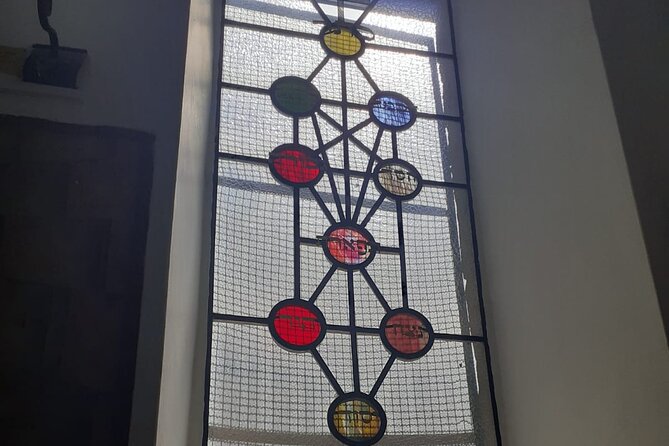
Safed has a special pull for people who like their travel with meaning. This Kabbalah Heritage Walk is interesting because it connects ideas that were historically guarded to real streets and real sacred places in Safed. And you are not just reading a plaque, you are talking with a Talmudic scholar, Rabbi Shmuel Kopel.
I especially love that the tour is small-group and Q and A friendly. I also love that it links major figures you will hear about again and again, like Rabbi Moshe Cordovero and the Holy Ari, Isaac Luria, to what they taught and how it shaped Jewish life beyond Safed.
One possible drawback: it is a focused walking tour that lasts about 1 hour 30 minutes, so wear comfy shoes if you do not love city walking or standing around a lot.
Key highlights at a glance
- Led by Rabbi Shmuel Kopel, a Talmudic scholar who can answer your questions
- Safed on foot, with a timed route that ends where you started
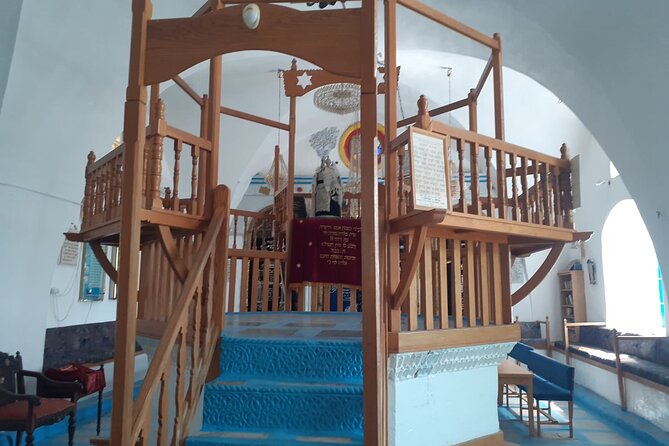
- Stops tied to major Kabbalists, including Cordovero, the Ari, and the Alkabetz
- Practical explanations of what was taught, not just name dropping
- Small group, up to 15 travelers, which keeps the attention on you
- Mobile ticket for easy check-in
Why Kabbalah heritage feels different in Safed
Kabbalah is often described as mysterious, and historically it really was kept more private than mainstream Judaism. That matters, because when you hear the names and ideas without context, it can feel like you are studying a sealed box. In Safed, the conversation changes.
Safed, also spelled Zefat, became a known center for Kabbalistic teachings in the 16th century. This is where many famous Kabbalists taught, and it is where you can see why the city still gets referenced in Jewish learning today. The walk is built around that basic idea: rather than treating Kabbalah like a separate universe, it shows how certain teachings grew in this place and then traveled outward.
What I like about the tone here is that it is not only “spiritual stories.” At each meaningful site, Rabbi Shmuel Kopel explains something the relevant sage taught, then connects it to the way those ideas show up across Judaism today. That turns abstract words into something you can picture in daily life.
More walking tours in Tiberias:
- Jerusalem: Guided Walking Tour of the Old City
★ 4.7 · 386 reviews - Walking Tour of Akko (Half-day)
★ 5.0 · 84 reviews - All Inclusive Walking Tour Old City Jerusalem
★ 5.0 · 83 reviews
Meet your guide, Rabbi Shmuel Kopel, and get real answers

The tour is led by Rabbi Shmuel Kopel, and that is a big part of the value. You are walking with someone who studied and was inspired by these teachings, and you can ask questions as you go. That makes the tour feel less like a lecture and more like a conversation with guardrails.
Small group size helps. With a maximum of 15 travelers, you are not yelling over a crowd. You can ask a “wait, what does that mean” question without feeling like you are slowing 40 people down. One reason people rate this experience so highly is that the attention stays focused on the group.
If you tend to be the type who asks questions and circles back when something feels unclear, this is your format. If you want a silent wander or a purely scenic walk, you might find the learning portion to be the whole point.
Safed on foot: what you’ll notice as the city becomes a classroom
The meeting point is Kikar HaMeginim in Safed, and the walk ends back at the same place. The whole thing is about 1 hour 30 minutes, which is short enough to fit into a busy day, but long enough to make the storytelling feel connected.
Expect to move through the old city with a guide pointing out places that matter to Kabbalah tradition. Even if you have visited Safed before, you may still miss this layer if you only look at the obvious sights. On this walk, the route is built around meaning, so you end up noticing details you would otherwise walk past.
Practical note: because it is on foot, plan for standing in small pockets of space near sites. Bring good shoes, and if you are sensitive to sun or cool evenings, dress for the weather. Safed can feel different depending on the time of year.
Cordovero in the mix: learning the Safed approach to Kabbalah
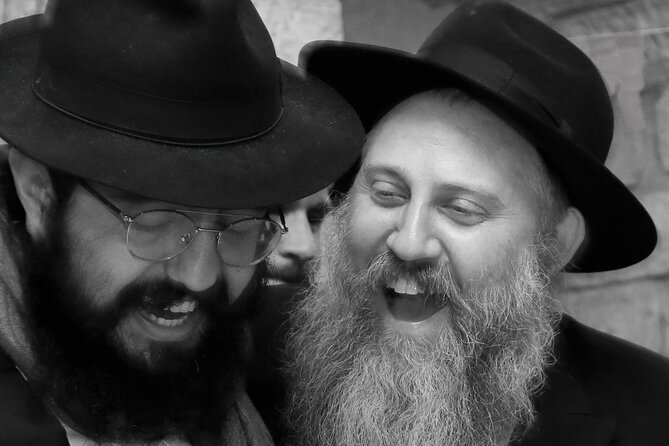
One of the most compelling parts of the walk is how it treats Safed Kabbalah as a school, not just a list of famous names. You will visit sites tied to key figures, and you will learn how their teachings connect to Judaism beyond Safed.
The walk includes Rabbi Moshe Cordovero, a central name in Kabbalistic thought. What you gain by hearing about Cordovero in Safed is the sense that this was not random mysticism. It was organized teaching, aimed at shaping how people understand the world and their relationship to it.
You are also reminded of something important: Kabbalah is often portrayed as hidden, but it grew inside communities. It had teachers, it had students, and it had methods. When the guide explains the practical impact of those teachings, you start to understand why these ideas still matter to readers and practitioners far away from Safed.
More history tours in Tiberias:
- Jerusalem Yad Vashem Holocaust History Museum Tour
★ 5.0 · 98 reviews - Jerusalem Christian Heritage Private Tour
★ 5.0 · 9 reviews - Full-Day Private Luxury and Cultural Tour in Tel Aviv
★ 5.0 · 5 reviews - Jerusalem World Heritage Private Tour
★ 5.0 · 5 reviews
The Alkabetz: connecting Kabbalah with prayer and tradition
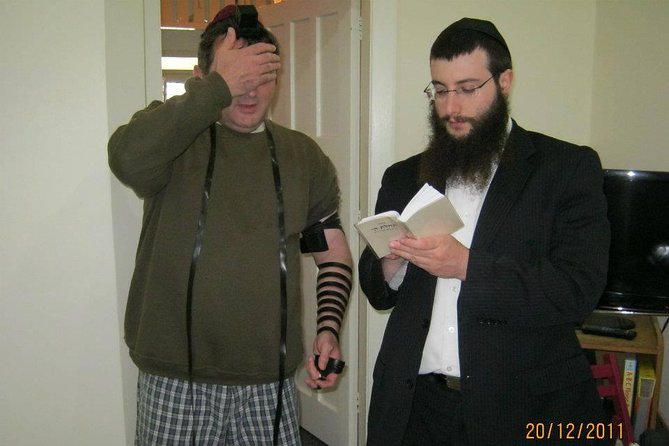
The tour also points you toward sites connected with the Alkabetz. That name may ring a bell if you have encountered Kabbalistic prayer traditions through Jewish literature or worship. On the walk, the goal is to show how these teachings show up not only as philosophy, but as the way people pray and speak to God.
This is where the heritage walk is especially strong. Instead of making you memorize a timeline, you are shown how tradition flows: a teaching becomes language, language becomes prayer, and prayer becomes community memory.
The practical benefit for you is that Kabbalah stops feeling like distant academic study. It becomes something you can recognize in real religious life, even if you are not planning to “convert” to anything. You are learning what earlier generations found meaningful, and why that meaning survived.
Isaac Luria, the Ari: why Safed still gets quoted
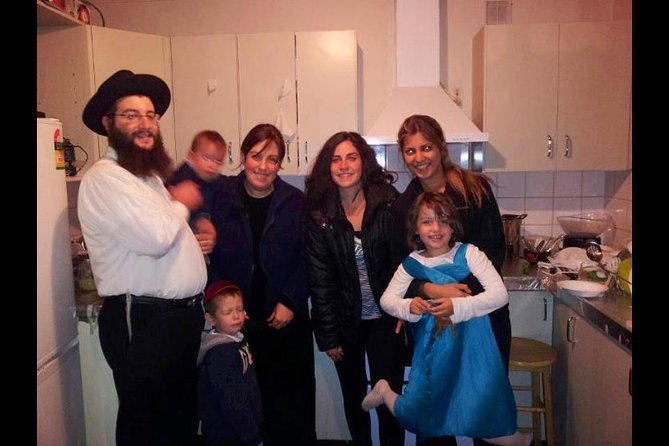
The walk includes the Holy Ari, Isaac Luria, one of the best-known figures associated with Safed. If you have heard the Ari’s name before, you may have also heard his teachings described in dramatic terms. Here, you get a more grounded approach, anchored to place.
Hearing about the Ari in Safed helps because Safed is the setting for so many of his teachings and the way his ideas spread. When Rabbi Shmuel Kopel explains what the Ari taught at a specific location, it is not just a historical claim. It becomes easier to understand why the Ari’s ideas are still cited in Jewish learning.
One reason this part lands well is that it ties mystery to explanation. Kabbalah can sound like a maze of symbols. The guide’s job is to connect those symbols to what they meant to people living in and around Safed, and to show the practical impact those ideas had across Jewish life.
Shulchan Aruch in the story: the law side of Safed
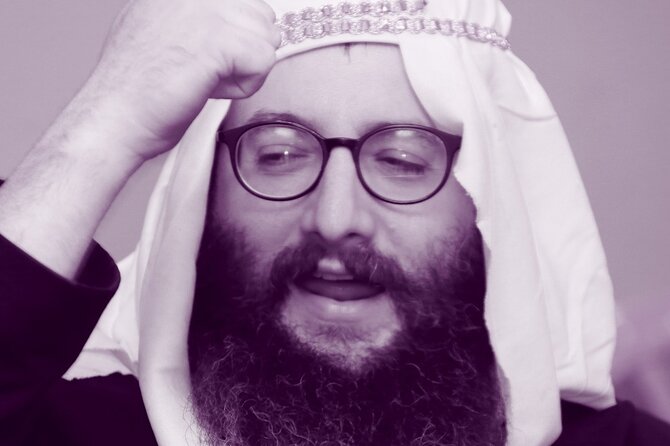
Safed is not only Kabbalah. It is also a place tied to serious Jewish legal scholarship. The walk includes context around Rabbi Yosef Cairo, associated with the Shulchan Aruch, one of the most authoritative books on Jewish religious law.
This matters because it keeps the picture balanced. If you come in thinking Kabbalah is separate from everyday Judaism, you will leave with a more grounded sense of how the intellectual life of Safed included both mysticism and law.
In real life, many people hold these strands together. Learning about Cairo right alongside Kabbalistic sites helps you see how Safed could be a center for multiple kinds of devotion: structured law on one side, spiritual teaching on the other. If you like travel experiences that respect nuance, this pairing is a win.
Timing that fits your day: when it runs and how long it lasts
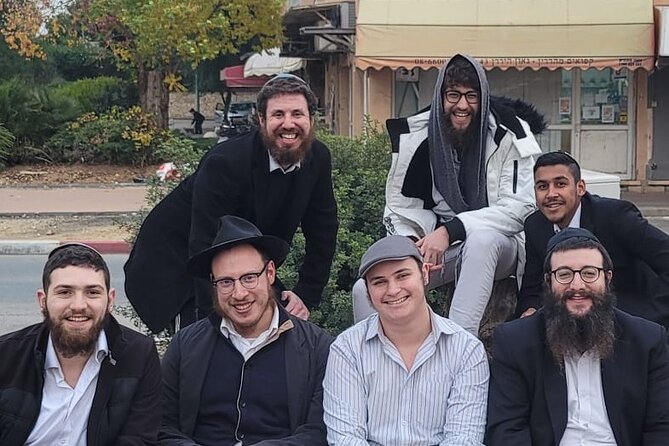
This walk operates one time per day Sunday through Thursday starting at 1:30pm, and on Friday starting at 11am. It runs for about 1 hour 30 minutes. If you are trying to fit it into a tight itinerary, treat it like a timed appointment, not a casual wander.
Your start point is Kikar HaMeginim in Safed, and the walk ends back there. That makes it easier to grab lunch or reposition afterward without a complicated end-of-tour transfer.
Also, the program can have a mobile ticket, which keeps you from juggling paper while you are moving around the old city.
What makes this $45 price feel fair
At $45 per person, the big question is whether you get enough value in 1 hour 30. I think the answer is yes, mainly because of three things that are hard to fake.
First, you get a guide who can answer questions about the ideas themselves, not only point at buildings. Second, the group size stays small, up to 15 travelers, so you are not stuck watching from the back. Third, you get structured stops tied to well-known Kabbalistic figures, including the Ari, Cordovero, and the Alkabetz, plus context around Rabbi Yosef Cairo.
This is not a “big bus” sightseeing loop. It is a focused, heritage-style walk with teaching built into the route. If you enjoy getting your curiosity satisfied by someone who can explain, it is a strong use of time.
Who should book this heritage walk
This is a great match if you:
- Want to understand Kabbalah in a way that is grounded in place
- Like Q and A and asking questions as you go
- Prefer a small group over a larger tour
- Are interested in Safed beyond general sightseeing
It may not be the best fit if you:
- Want only visual sightseeing with minimal explanation
- Do not enjoy walking through historic areas for about 90 minutes
- Prefer learning through reading alone rather than conversation
If you are traveling with a parent or family member who enjoys history and big ideas, the focused pace can work well. One review-style theme that shows up strongly is patient, clear explanations, including for people who learn best at a slower speed.
Practical tips so you enjoy the walk more
A few things will make your experience smoother:
- Wear comfortable shoes. It is on foot, and you will likely stand as sites are explained.
- Bring questions you genuinely want answered. The guide is there for that.
- If you have background reading, even basic names like Cordovero, the Ari, or the Alkabetz, you will follow along faster.
- Plan your day so you are not rushing right before the start time. When you are calm, the explanations land better.
If you want the tour to feel personal, think of it like a guided conversation with a living map of ideas.
Should you book the Kabbalah Heritage Walk in Safed?
I would book it if you want meaning, not just movement. The combination of a Talmudic scholar guide, small-group attention, and Kabbalah-linked sites tied to major figures makes it feel like more than a generic city tour.
Skip it if your goal is mostly scenery and you do not care much about religious thought. This tour is built for people who want to ask questions and connect stories to real locations.
If you do book, go in curious, not convinced. You are not required to agree with everything you hear. You just get to understand why Safed became such an important center for Jewish spiritual learning.
FAQ
How long is the Kabbalah Heritage Walk?
It lasts about 1 hour 30 minutes.
Where does the tour start and end?
It starts at Kikar HaMeginim in Safed, and it ends back at the same meeting point.
What days and times does the tour run?
Sunday through Thursday it starts at 1:30pm. On Friday it starts at 11am. Other times must be coordinated in advance and depend on availability.
How large is the group?
The tour has a maximum of 15 travelers.
Who leads the tour?
Rabbi Shmuel Kopel leads the experience.
Is there a mobile ticket?
Yes, the tour uses a mobile ticket.
What does it cost?
The price is $45.00 per person.
Is free cancellation available?
Yes. You can cancel for a full refund up to 24 hours in advance of the experience start time.
Are service animals allowed?
Yes, service animals are allowed.
Recently reviewed around Tiberias
- A Day of Spiritual Discovery in the Upper Galilee★ 5.0 · 7 reviews
- Haifa Shore Excursion: Nazareth and the Galilee – for cruise ship guests only★ 4.5 · 109 reviews
- Tour The Mystical City Of Safed★ 5.0 · 11 reviews
- Sea of Galilee – Off the Beaten Track★ 5.0 · 3 reviews
- Galilean Cooking Workshop 2-4 particpants★ 5.0 · 27 reviews
- Druze Culinary Tour of the Western Galilee★ 5.0 · 6 reviews
- Culinary Day Tour of the Galilee★ 5.0 · 6 reviews
Walking Tours, compared.

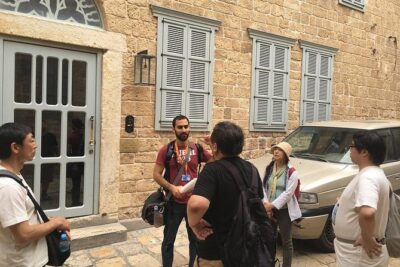

Jerusalem Walking Tour: In the Footsteps of Jesus
Read our review →


Browse the lists this tour appears in